Plateau killings deepen the crisis as violence spreads beyond the first attack
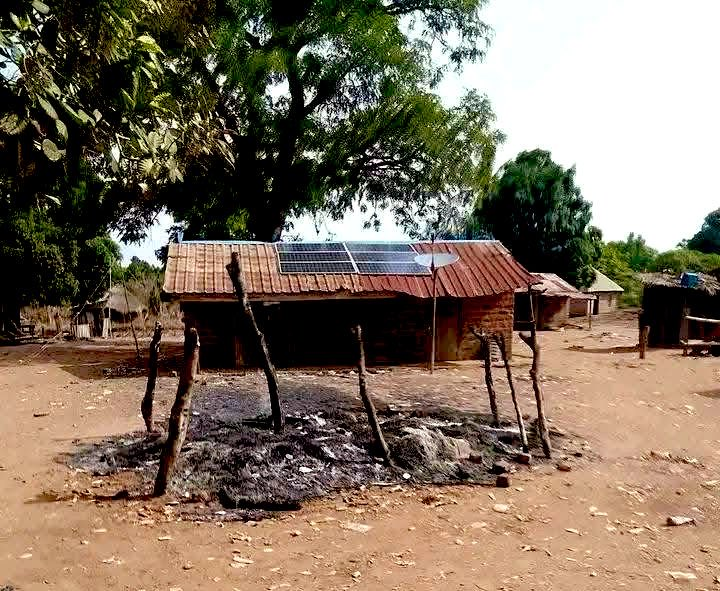
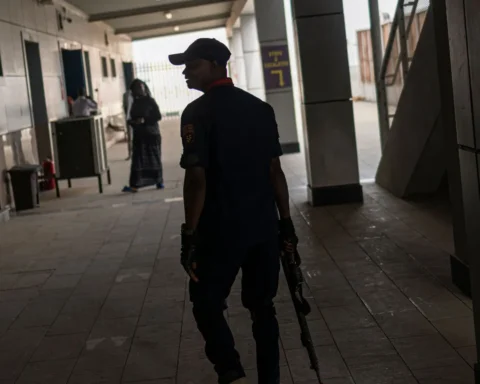
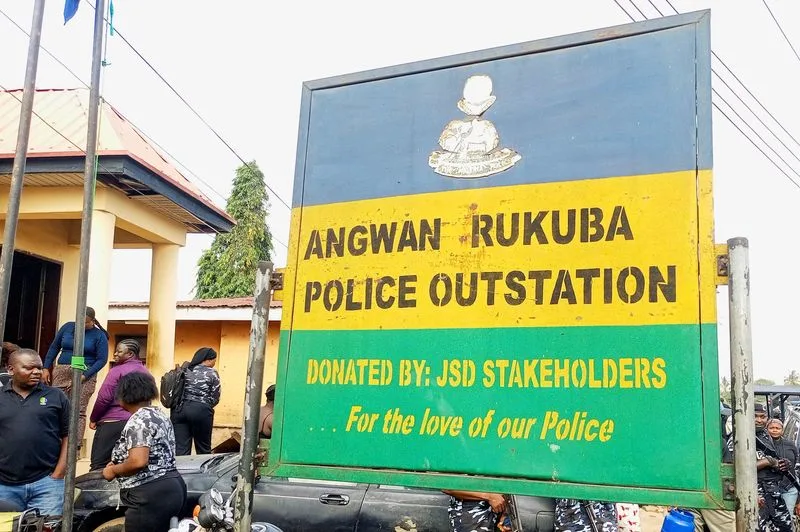
Plateau State remained one of the country’s biggest flashpoints this week after the Palm Sunday attack in Jos North and fresh violence days later near the University of Jos. Gunmen attacked a university community in Angwan Rukuba on the night of March 29, leaving at least 30 people dead. FIJ, reporting from the same incident and its aftermath, put the death toll higher, saying at least 40 residents were killed and several others injured. It was also reported that the state government imposed a 48-hour curfew on Jos North from midnight on March 29 to April 1 as security agencies moved in.
What made the story worse was not only the scale of the first attack, but how quickly the violence appeared to spill into other areas. On April 1, just three days after the Angwan Rukuba killings, another violent incident broke out near the permanent site of the University of Jos, leaving at least one person dead. The report also said clashes and reprisals were recorded in other parts of Jos, suggesting that the city had not fully settled before another round of violence began.
President Bola Tinubu visited Jos on April 3, met Governor Caleb Mutfwang and other stakeholders, directed security agencies to go after those responsible and said elected officials were in office to secure peace and prosperity, not to keep returning to scenes of mourning. It was further reported that Tinubu backed the installation of 5,000 surveillance cameras in the state as part of a wider security response. Other reports later in the week also linked the visit to a broader federal push for tougher surveillance and enforcement in Plateau.
Tax authorities extend filing deadlines in Lagos and the FCT
The Lagos State Internal Revenue Service extended the deadline for filing individual annual tax returns by two weeks, moving it from April 1 to April 14. The report said the extension was intended to give individuals more time to complete and submit accurate returns.
In the FCT, the Federal Capital Territory Internal Revenue Service also extended its own filing deadline, shifting the due date from March 31 to April 30. That means taxpayers in the capital got an additional one-month window, a longer extension than the one announced in Lagos. The two decisions did not cancel the filing obligation; they simply changed the compliance window.
The state police push becomes more explicit
Inspector-General of Police Tunji Disu proposed a 60-month transition plan for decentralised policing, built around constitutional amendments in the first year, ring-fenced funding and safeguards against political abuse. Disu submitted a framework on state police to the Senate on Thursday at the National Assembly, where it was presented to Deputy Senate President Barau Jibrin in his capacity as chair of the Senate Committee on the Review of the 1999 Constitution.
It was earlier reported that Tinubu had told lawmakers that security is local and that public support for state police would have to be built deliberately. In a separate report, the same outlet said Information Minister Mohammed Idris presented the president’s position as one rooted in proximity: policing, he said, had to move closer to the people. That gives the week’s development a different shape. This was no longer just a technical paper from police leadership; it had clearer political backing from the presidency.
Senate approves Tinubu’s $6 billion loan request after a rapid legislative turn
President Bola Tinubu, on Tuesday, March 31, asked the Senate to approve two fresh foreign loans totalling $6 billion from the UAE and the UK. The same report said the president’s letter was read on the Senate floor and referred to the Senate Committee on Local and Foreign Debts for legislative consideration. The Senate approved the request on March 31, saying the funds were intended to plug fiscal gaps and finance key infrastructure projects.
Just four months earlier, the National Assembly had approved Tinubu’s request to raise N1.15 trillion from the domestic debt market to fund the 2025 budget deficit. The new approval therefore did not stand alone; it sat within an already active borrowing cycle. The fresh loans were not borrowed for new spending but within an effort to manage existing debt pressures.
Adelabu resignation reports remain contested
The Adebayo Adelabu story was one of the week’s messier political items. Some early reports suggested the Minister of Power had resigned to pursue the Oyo governorship. But that was quickly challenged. It was however reported on March 31 that Adelabu urged the public to disregard the reports, with other sources quoting his media adviser who described the story as false or misleading.
It was also reported that Adelabu was aware of the deadline for political appointees who intended to contest to resign before March 31st and if he did intend to contest then he would do what was necessary in time.
Remita breach claims raise harder questions about data exposure and official silence
A threat actor known as ByteToBreach claimed responsibility for hacking major Nigerian organisations and publishing more than 3 terabytes of data. It was reported that the actor first made claims around Sterling Bank on March 27 before later saying Sterling’s systems were used to reach Remita through a misconfigured Amazon S3 bucket. According to that report, the exposed material was said to include highly sensitive records such as BVNs, NINs, passports, licences and transaction histories.
The KYC documents, national IDs, passport photographs, SQL folders and password hashes are among the kinds of materials that make an incident especially dangerous because they can be used for impersonation, phishing and wider fraud. But not all of ByteToBreach’s claims had been independently verified, and some security researchers warned that the actor may rely heavily on exaggeration and fear amplification.
Government tightens rules on vehicle imports
The Federal Government also announced stricter vehicle import conditions. Punch reported on March 31 that under the new regime, all vehicles would need pre-shipment certification before they could be processed for importation into Nigeria. It was further reported that the certification requirement would feed into import financing, registration and enforcement, meaning the policy would not stop at the ports.
This decision triggered mixed reactions, especially because the government said the policy would take immediate effect under the SON-NADDC Vehicle Conformity Assessment Programme. That matters because Nigeria’s used-car market is large, price-sensitive and full of vehicles whose real history is often hidden from buyers. Supporters of the policy see it as overdue regulation. Critics are more focused on cost, access and how strictly the measure will be enforced in practice.
CBN says recapitalisation exercise is complete for most banks
In banking, the Central Bank said the recapitalisation exercise had effectively run its course for most institutions. It was reported on April 1 that 33 out of 38 banks met the revised minimum capital requirements. The recapitalisation programme, which began in March 2024, had concluded after a 24-month implementation period, with N4.65 trillion raised. The process was reportedly completed without disruption to banking operations, though a limited number of institutions remained under regulatory and judicial review.
Wike’s remark about Seun Okinbaloye draws media backlash
During a media chat in Abuja on Friday, Wike said he would have shot the presenter through the television over remarks about the risk of Nigeria becoming a one-party state. A report placed the comment in the context of a dispute around the ADC and the broader opposition space ahead of 2027.
Many media freedom and civil society groups condemned the remark and demanded an apology, framing it as unacceptable conduct toward a journalist. This controversy did not stay at the level of one minister’s temper; it became part of a wider conversation about how public officials speak about the media in an already tense political climate.