June 12 marks Nigeria’s return to civilian rule in 1999, honouring the 1993 election, widely seen as Nigeria’s freest and fairest. Today also marks President Bola Tinubu’s second year in office, underscoring our ongoing democratic journey.
Democracy Day: More Than a Holiday
June 12 is Nigeria’s official Democracy Day. It celebrates our nation’s hard-won return to civilian rule after years of military dictatorship, a day to remember profound sacrifices made for freedom.
The Genesis: Why June 12?
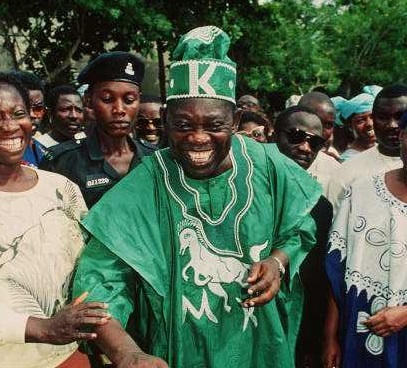
The significance of June 12 is rooted in the 1993 presidential election, widely considered the freest and fairest in Nigeria’s history. Moshood Kashimawo Olawale (MKO) Abiola, a charismatic businessman and philanthropist, was the presumed winner. However, the military regime of General Ibrahim Babangida inexplicably annulled the results, plunging the nation into a profound political crisis. This annulment remains a pivotal moment, shaping Nigeria’s democratic trajectory for years to come.
The Afternath of Annulment: A Nation in Turnoil
The annulment ignited a firestorm of protests across the nation. MKO Abiola, defiant and resolute, declared himself president in the ‘Epetedo Declaration’ in 1994, leading to his arrest and subsequent imprisonment. His detention became a potent symbol of the struggle against military rule, rallying civil society and pro-democracy activists.
Tragically, Abiola died in detention on July 7, 1998, under circumstances that remain a subject of debate, just as Nigeria was on the cusp of another transition to civilian rule. His ultimate sacrifice cemented his place as a martyr for democracy.
From May 29 to June 12: A Historical Correction
Nigeria eventually returned to civilian rule on May 29, 1999, with the inauguration of President Olusegun Obasanjo. For nearly two decades, May 29 was observed as Democracy Day, commemorating this transition. However, in 2018, the government officially changed Democracy Day to June 12. This honored the 1993 election and MKO Abiola’s sacrifice, acknowledging a pivotal moment in our history.
The Unsung Heroes of June 12
Beyond MKO Abiola, countless brave Nigerians fought for this day.
Kudirat Abiola: MKO’s fearless wife, assassinated for continuing the struggle.
Dr. Beko Ransome-Kuti: Tireless human rights activist, consistently challenging military rule.
Alfred Rewane: A prominent NADECO chieftain and financier of the pro-democracy movement, his assassination in 1995 sent shockwaves through the activist community
Gani Fawehinmi: A legal icon and fiery human rights advocate, popularly known as the “Senior Advocate of the Masses”.
Civil Society Organizations (CSOs) and Student Activists: Groups like the National Democratic Coalition (NADECO), the Campaign for Democracy (CD), and numerous student unions across universities formed the backbone of resistance, organizing protests, disseminating information, and mobilizing public opinion despite severe repression.
Journalists and Media Houses: Despite censorship and the closure of media outlets, courageous journalists continued to report on the truth, often operating underground. Publications like The News and Tempo became vital sources of independent information, risking the lives and livelihoods of their staff.
Nigeria’s Democratic Journey: The Path Ahead
Democracy in Nigeria remains a work in progress. Challenges like voter apathy and political distrust persist. Yet, young Nigerians continue to raise their voices, vote, and demand better, pushing for a stronger, more inclusive democracy. The fight is still on.