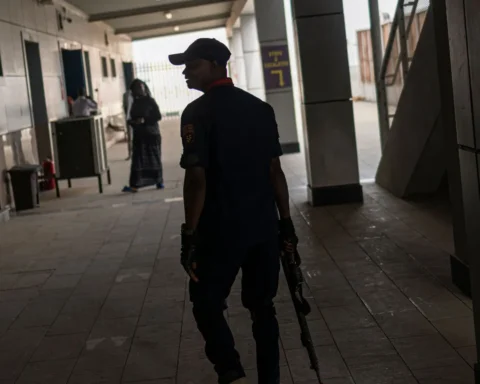

Anambra State Governor Chukwuma Soludo’s decision to shut the Onitsha main market over continued sit-at-home compliance has reignited debate over how authorities should respond to a protest that has deeply disrupted economic life across the South-East.
The state government ordered the closure after traders defied repeated directives to open for business on Mondays, despite official warnings that sit-at-home actions were illegal and harmful to the economy. Authorities said the move was meant to enforce compliance and discourage further shutdowns.
Onitsha main market is one of the largest trading hubs in West Africa, with thousands of traders supplying goods across Anambra and neighbouring states. Its closure immediately disrupted commercial activity and supply chains, adding to long-standing economic losses linked to sit-at-home observances.
It has been estimated that the sit-at-home crisis has cost South-East Nigeria about ₦7.6 trillion over four years, affecting trade, education, governance, and livelihoods. The losses are driven largely by repeated shutdowns of markets, schools, banks, and transport services every Monday.
The persistence of sit-at-home observance, despite the absence of formal orders in many cases, has been linked to fear and insecurity. Many residents and traders stay indoors on Mondays due to threats, sporadic violence, and memories of past attacks, describing the weekly shutdowns as “Monday horrors” that have become routine in parts of the region.
Academic and policy research suggests the impact goes beyond economics. The sit-at-home protests in the South-East have reshaped social behaviour, weakened trust in state authority, and deepened insecurity, as civilians, businesses, and local officials adapt to uncertainty and fear.
Soludo’s hardline approach has also drawn political backlash. IPOB, the separatist group historically linked to sit-at-home protests, warned the governor against threatening traders and accused the state government of punishing civilians rather than addressing the underlying political grievances. The group urged Soludo to focus on dialogue instead of enforcement.
The Anambra State Government maintains that continued compliance with sit-at-home actions is crippling the economy and must be confronted. Officials argue that markets cannot thrive under fear and that firm action is necessary to restore confidence and normalcy.
Analysts say the closure of Onitsha main market reflects the wider dilemma facing South-East governors: how to reassert state authority and revive economic activity without worsening tensions or endangering civilians. While enforcement may pressure traders to reopen, experts warn that without improved security and trust, fear-driven compliance may persist.
As the standoff continues, traders remain caught between government directives and security concerns, while the region’s economy bears the cost of a crisis that shows no immediate sign of resolution.