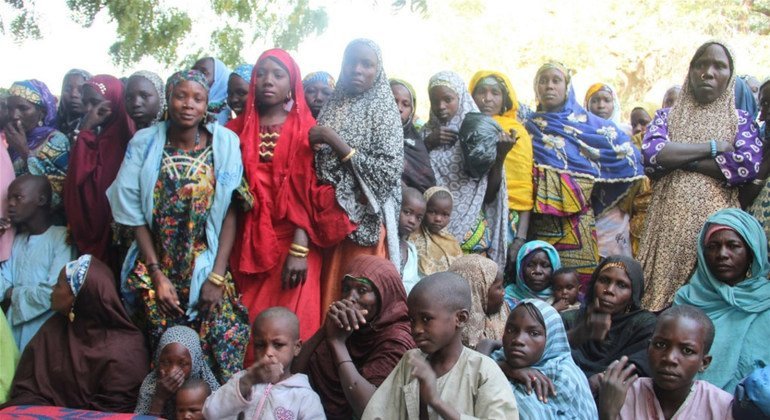

Gunmen have killed at least 25 people in coordinated attacks on communities in Adamawa State, in what residents describe as one of the deadliest incidents in the area this year. The assaults targeted villages in Hong Local Government Area, where attackers reportedly stormed homes, opened fire on residents, and set properties ablaze. Survivors say the violence lasted for hours, leaving families scrambling for safety in nearby bushes and neighbouring towns.
Local sources say at least 18 people, including a village head, were killed in one of the communities, while several others sustained injuries. Homes were burned and entire families displaced. Some reports linked the attackers to Boko Haram, which has maintained a violent presence in parts of northeastern Nigeria for over a decade despite repeated military offensives.
The attack is part of a broader wave of insecurity that continues to grip Nigeria. In just 41 days this year, violence across the country has reportedly claimed 1,258 lives, underscoring how widespread and relentless the crisis has become. From banditry in the northwest to insurgency in the northeast and communal clashes in the Middle Belt, communities are facing overlapping threats with limited protection.
In Adamawa, residents say they feel abandoned. Some community members described repeated warnings about suspicious movements in the area before the attacks but said security response was slow. The scale of destruction has once again raised questions about intelligence gathering, rapid response capacity, and the long-term strategy for ending insurgent violence in rural communities.
For families who lost loved ones, the statistics do not capture the full weight of the tragedy. Breadwinners have been killed. Children have been orphaned. Survivors are left to rebuild homes and lives with little assurance that another attack will not come.
Nigeria has spent years and billions of naira fighting insurgency. Yet attacks like this continue to expose the gaps between military announcements and the lived reality of people in frontline communities. Beyond condemnation statements, there is growing urgency for coordinated security reform, better protection for vulnerable villages, and transparent accountability when warning signs are missed.