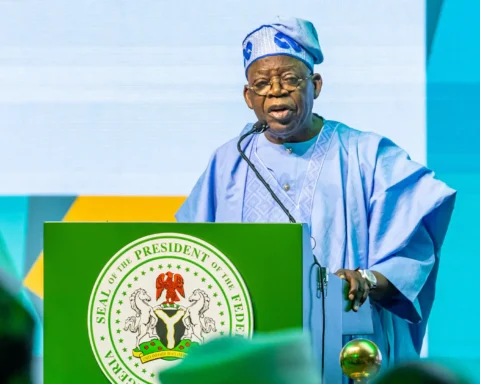
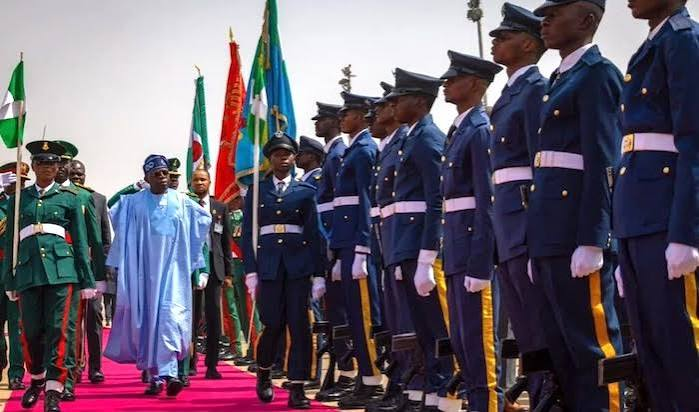
Nigeria marked its 66th Independence Day with a promise of prosperity. A day later, public offices across the country went quiet.
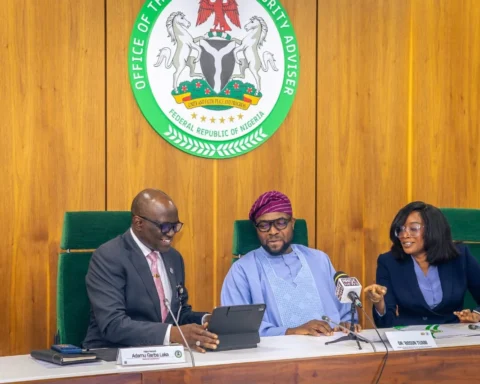
Public servants nationwide began a three-day warning strike from Friday 2 to Sunday 4 October after President Tinubu’s Independence Day speech failed to address their demands. The strike was called by the Joint National Public Service Negotiating Council (JNPSNC) in a circular dated 1 October.
What the Workers Want
The unions had made their demands clear before the speech: cut petrol to ₦500 a litre, approve a wage award, and introduce measures to cushion the economic hardship. They first put these to the President in a letter dated 21st September, and warned on 29th September that they would strike if his Independence Day address ignored them.
It did. Petrol still sells for ₦1,400 to ₦2,000 a litre, depending on where you live, and the unions say the speech offered no concrete relief.
Who’s on Strike?
The strike covers workers in federal, state and local government, and the council has told its leaders to ensure full compliance nationwide. Its member unions include the Nigerian Civil Service Union, the Medical and Health Workers Union, the Association of Senior Civil Servants of Nigeria and the National Association of Nigerian Nurses and Midwives. In practice, that means government offices and public services could slow down or shut down over the weekend.
Meanwhile, Soldiers are Getting Paid More
On the same day, Defence Headquarters confirmed that troops have started receiving salaries reflecting a newly approved increase. Soldiers say it began showing in their accounts on Wednesday evening.
The numbers are significant. A Private who earned about ₦103,000 now receives about ₦190,000, and a Lance Corporal has gone from about ₦110,000 to about ₦202,000. Tinubu approved the increases in August, ranging from 30% to 80%, with effect from 1 September. Ranks from Private to Staff Sergeant get 80%, Warrant Officer to Colonel get 50%, and officers above Colonel get 30%.
About 250,000 military personnel will benefit, raising the military’s yearly salary bill from ₦660 billion to ₦924 billion. Defence officials describe it as the fulfilment of the President’s promise to improve troops’ welfare.
The Bigger Picture
The Nigeria Labour Congress has quietly backed the strike. In its Independence Day statement, NLC President Joe Ajaero pointed to rising petrol prices, inflation, stagnant wages, unemployment and insecurity as the forces squeezing workers. Labour says the real value of wages has been eaten away by inflation, while transport costs have pushed up food, school fees and rent. It wants talks on a new minimum wage to start now, ahead of 2027, arguing that today’s ₦70,000 minimum wage has been overtaken by the cost of living.
Better pay for troops on the front line of Nigeria’s security crisis is hard to argue against. But it lands in the same week that civil servants, nurses and health workers walked off the job, saying they can no longer afford to live. The government says the age of prosperity has begun. This weekend, millions of workers are asking when it reaches them.