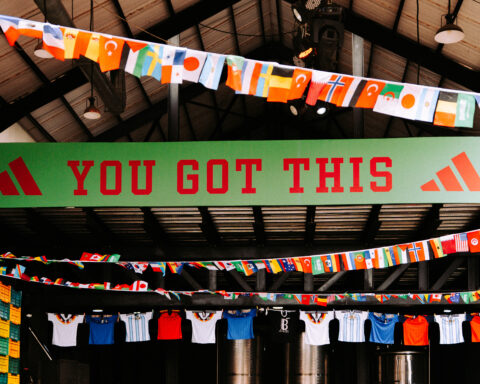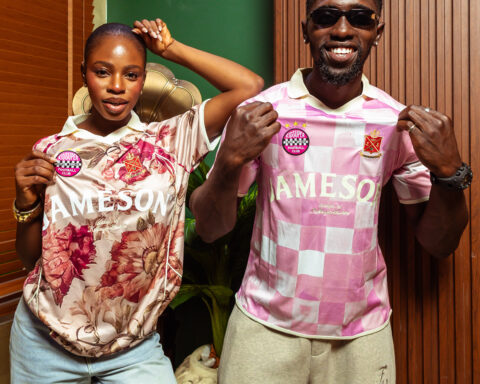
When Nigeria’s football federation announced it was leaving Nike for Adidas, the headline figure was $8.5 million a year, which the federation called the biggest kit deal in African football. Adidas will pay $4.5 million in cash and supply another $4 million in kit. By the federation’s account, Nike’s deal had barely moved since 2015. But the money wasn’t the real story. The deal tells you what sportswear’s biggest brands now think Nigeria is worth.
The Shirt that Changed the Math
Nike’s 2018 World Cup kit for Nigeria became an international hit. It sold far beyond football fans and was worn as fashion in cities that had never seen the team play. It proved something brands had suspected: a Nigerian jersey can sell in London, New York and Tokyo, and it can carry a cultural weight that few national teams can.
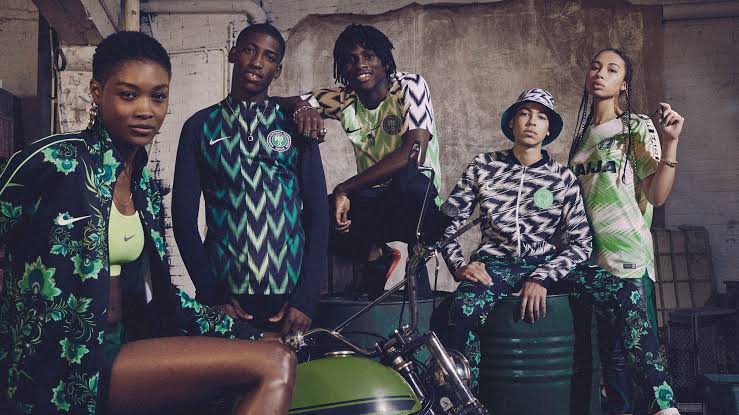
Adidas, which supplied Nigeria around the 1994 Africa Cup of Nations win and the country’s first World Cup, wants that effect back. The new contract also has a retail component, and that’s where it gets interesting.
The stores
According to the federation’s president, Nike has one shop in Lagos, Nigeria. Adidas has far more, with one report counting about 13, and the federation says Adidas has promised 32 within two years. The brand opened its first Nigerian franchise stores around 2021, with a 1,400-square-metre Lekki flagship that followed. Nigeria is Adidas’s biggest market in West Africa, and the country has about 220 million people.
Nigeria’s affluent middle class is small compared with its population but large in absolute terms, and is used to paying for $150 jerseys and $300 shoes. Brands see a big, young, brand-conscious market and a gateway to the rest of Africa.
The Culture Play
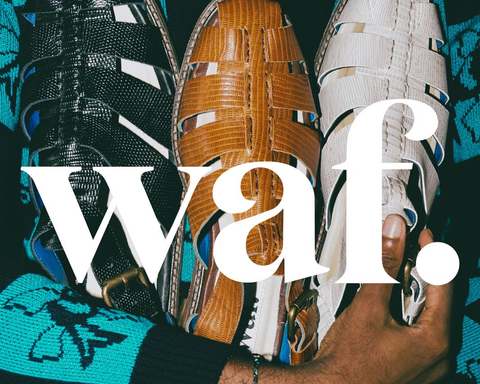
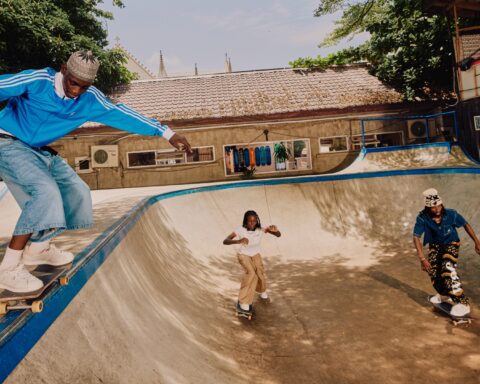
The money and the stores matter less than what Adidas did in July. It released its first-ever collaboration with a Nigerian brand: a Superstar ADV with waf., the Lagos skate collective founded in 2012 that runs a skatepark at Freedom Park. The shoe borrows its grey from Lagos Island’s industrial skyline and its pink outsole from the sky over the lagoon at dusk. The presale opened at the Adidas Lekki store on 23 July, with a global release on 12 October.
waf. Co-founder Jomi Marcus-Bello told the press the idea was to “treat your context as an archive.” Adidas had backed the collective’s community work for years before the shoe.
Adidas has also put a Nigerian storyteller at the front of its Originals line at home. Korty EO, the filmmaker behind the interview show Flow with Korty, which has nearly 400,000 YouTube subscribers, fronts adidas Originals’ 2026 Superstar campaign in Nigeria. The campaign is shot in black and white, led by Tosin Emmanuel of TSE Studios, with Korty in the three-stripe track jacket and the Superstars. Choosing a creator rather than an athlete or musician fits what Originals does globally, which is to spotlight cultural figures who shape conversations beyond their own industry.
It Isn’t Only the Big Two
Brands aren’t just selling to Nigerians; they’re signing them. In September 2025, the Swiss running brand On announced a multi-year partnership with Burna Boy, naming him its “Clubhouse President” as it pushes into tennis. The deal followed his headline set at On’s Clubhouse Nights event in Paris, and added him to a roster that already includes Zendaya. It clearly signals that On sees Afrobeats not as background music for its campaigns but as the engine of one.
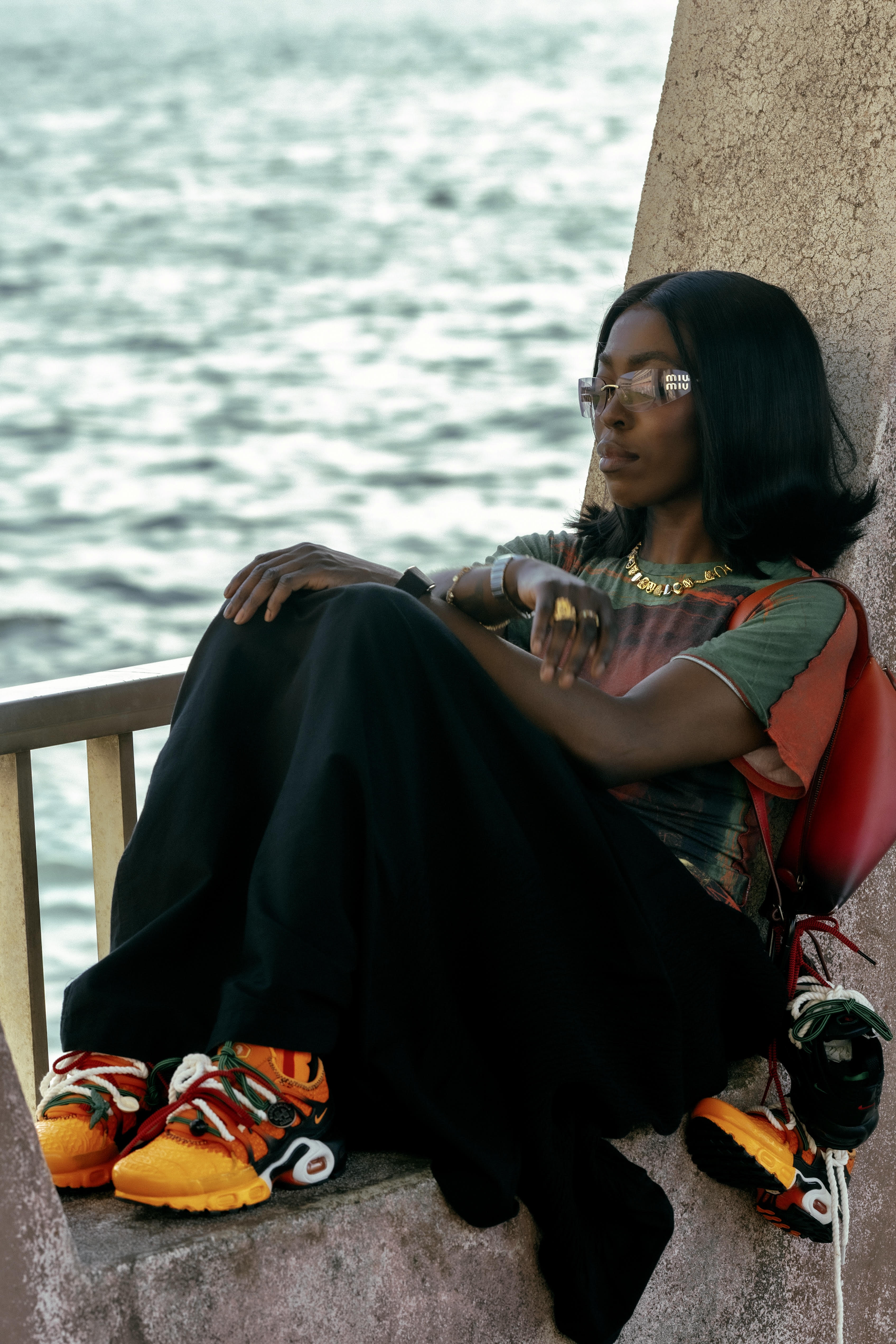
Nike hasn’t left the field either. It put an Air Max Plus collaboration with Grace Ladoja, who runs Homecoming, in front of the festival crowd in Lagos. But the contrast is clear: Adidas is building stores, signing the national team and working with the city’s own scenes all at once, while On is buying into the biggest name in the music that carries Nigeria’s culture abroad.
What it Means for Nigerian Brands
For the labels, collectives and festivals that built those scenes, the rush is both a validation and a warning. The big brands are shopping for credibility the local scene earned, and they will pay for it. What’s less clear is who keeps the long-term value: the community that made the culture, or the company that sells it back at scale.