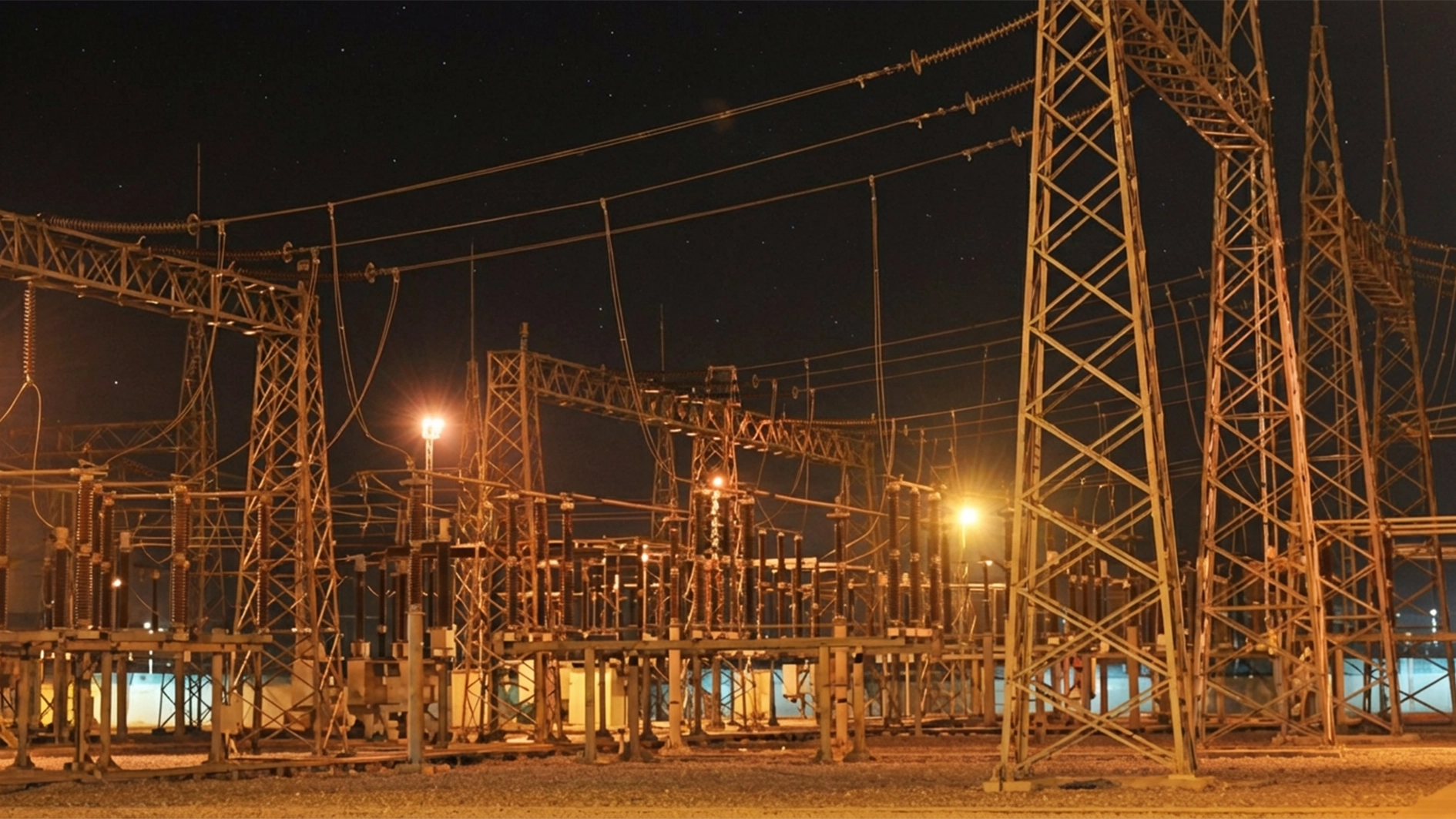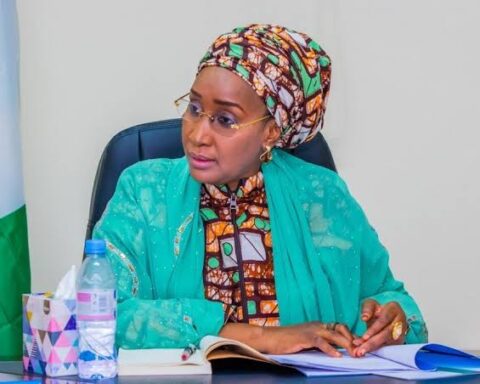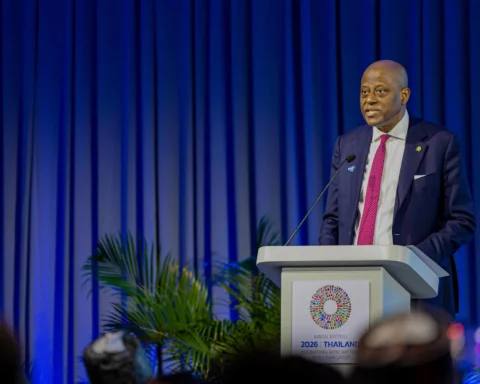
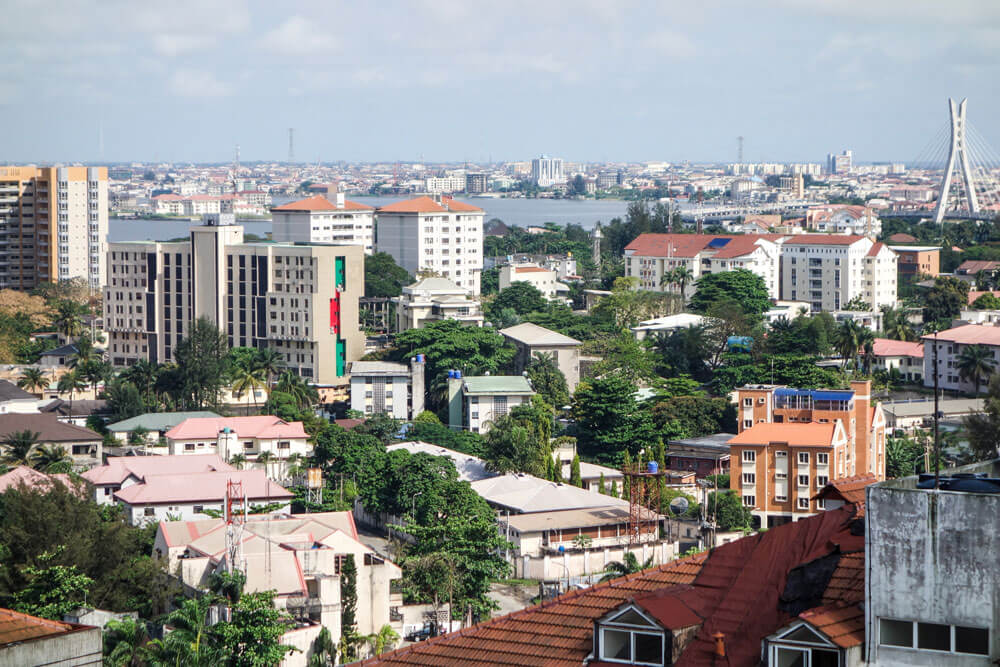
A video doing numbers on TikTok this month puts it bluntly. Tinubu is giving your taxes to his friends under the guise of contracts. It is a three minute argument, it is angry, and the anger is not coming from nowhere.
But the strongest version of this story is not the one being shouted. It is the one that sits in the procurement record, and it is both narrower and harder to wave away.
What is documented
In its first eight months, between October 2023 and May 2024, the Federal Executive Council awarded 51 contracts worth ₦6.27 trillion, covering roads, bridges, rail and airport infrastructure. Forty three of those were road projects. In February the government approved ₦1.067 trillion for the first phase of the Lagos-Calabar Coastal Highway alone.
Analyses of publicly announced awards since then keep landing on the same observation. A significant share of the country’s largest infrastructure projects has gone to a relatively small group of construction firms.
One name recurs. Gilbert Chagoury’s Hitech Construction was awarded the $11 billion Lagos-Calabar Coastal Highway in 2024. In June this year the 1,068 kilometre Sokoto to Badagry Superhighway went the same way, and critics argued at the time that single source contracts of that size were being directed to favoured firms ahead of the 2027 cycle. Seyi Tinubu, the President’s son, sits on the board of CDK Integrated Industries, a subsidiary inside the Chagoury group.
None of that is a secret and none of it is in dispute. The Bertelsmann Foundation’s 2026 country report states plainly that allegations of conflict of interest surround the award of the Lagos-Calabar project to Hitech, and describes Nigerian public procurement as a field where competition is unfair, contracts go readily to favoured businesses, and certain monopoly players appear to owe their position to political connections and remain largely untouchable.
What is not documented
Here is where the viral version overreaches, and it matters.
In September, a widely shared claim held that Tinubu had awarded a $7 billion Ogun deep seaport contract to DP World during his trip to Europe. AFP checked it and found it false. What was signed in Paris on 24th September was a memorandum of understanding, not an awarded contract, naming Sky Capital as financial adviser and DP World as private sector partner on the Gateway Deep Seaport and the 10,000 hectare Blue Marine Special Economic Zone, with a $7 billion figure attached to the projects.
An MoU and a contract award are not the same instrument. One is an intention, the other moves money. Collapsing them is the kind of mistake that lets a government dismiss the entire line of questioning, and governments do exactly that.
Why the distinction is the story
The concentration of mega contracts in very few hands is a real, checkable pattern with real public money attached. It does not need to be inflated, and inflating it is actively counterproductive.
Every time an overstated version circulates and gets knocked down, the knock-down becomes the news. The fact-check travels, the underlying pattern does not, and anyone asking a legitimate question about single source awards gets filed with the people who got it wrong.
That is the trade the viral format makes. It buys reach by sharpening the claim past what the evidence carries, and it pays for it in credibility that the people doing the slower work then have to earn back.
The questions that survive scrutiny
How many of the largest federal infrastructure awards since 2023 went through open competitive tender, and how many were single source. What the procurement file shows about the technical evaluation on each. Whether the Bureau of Public Procurement’s thresholds were applied, and where they were waived. What the board overlaps are between contractors and people holding public office.
Those are answerable from the record rather than from a timeline, and nobody can fact-check them into going away.