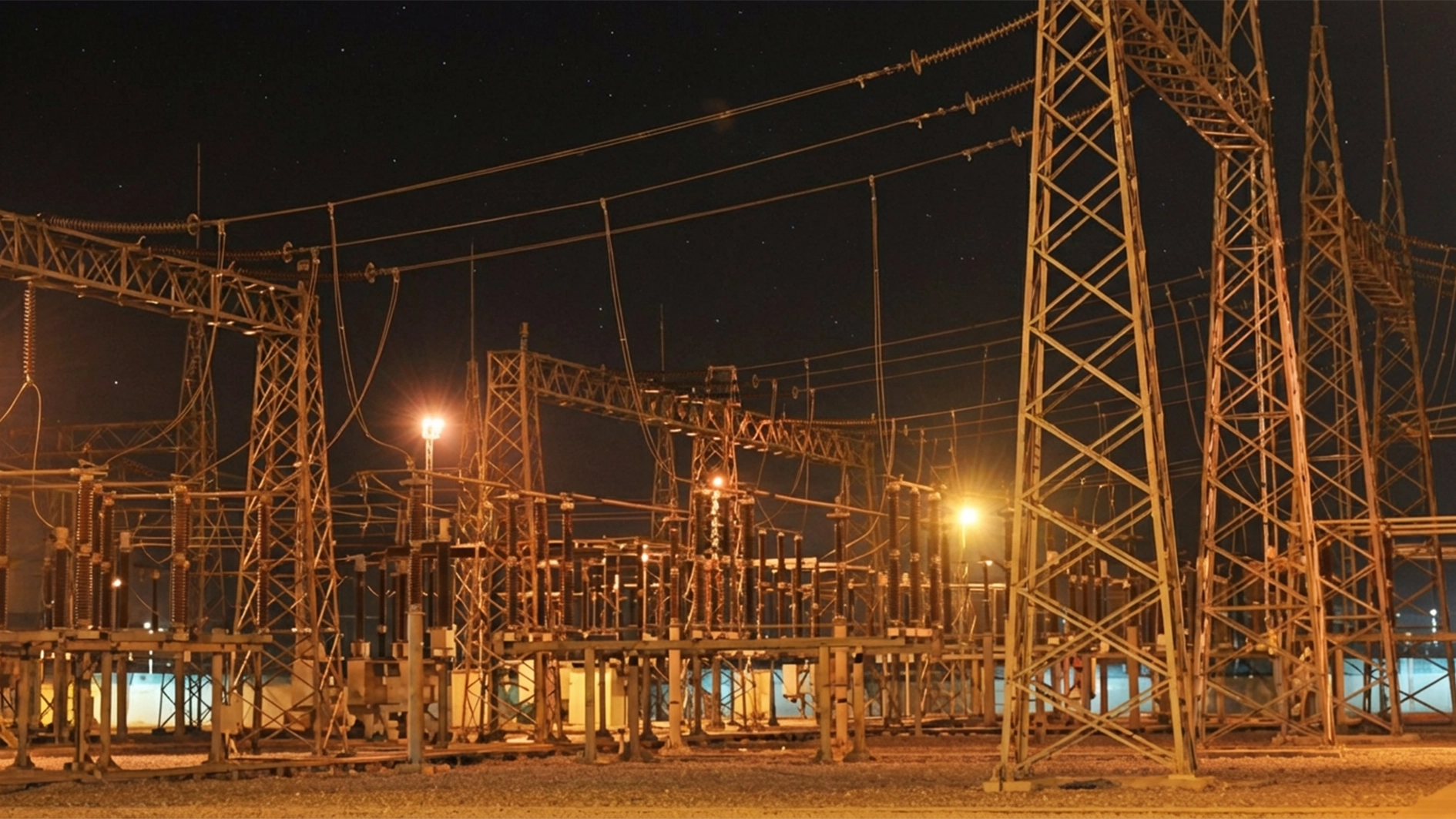
At 16:32 on Sunday the national grid was carrying 3,013 megawatts. On Friday afternoon the same grid was down to 948. Neither of those numbers is a crisis on its own. Together they are the whole problem, because 220 million people are living on a system that can triple and collapse inside two days without warning.
The ceiling tells you the rest. The highest output Nigeria has ever achieved was 5,801.84MW, on 4th March 2025. Not this year. Ever. That is the best day in the country’s history, and it works out at about 26 watts a person.
What Friday actually was
Four transmission lines tripped. Supply from the grid fell to 781MW at the low point, and by 1pm only eight power plants were still feeding it, with Delta Power carrying 223MW of that on its own. Generation had been 3,990MW at midnight and 3,935MW at six in the morning before it went.
By the time the distribution companies were allocated their share that afternoon, there was 948MW to divide between eleven of them. Ikeja took 133MW, Eko 132MW, and Kaduna was handed 28.
That reads like catastrophe, and in the moment it was. But it was a fault, not a floor, and treating it as the normal state of things gets the story wrong in the other direction.
What normal actually is
The grid recovered. Saturday peaked at 4,165.60MW at one in the morning and sat at 3,719.67MW through the afternoon, with 93,604.85MWh generated across the day.
Sunday’s allocation at 16:32 came to 3,013MW. Abuja took the largest share at 586MW, then Ikeja on 366MW, Eko on 364MW and Ibadan on 362MW. Port Harcourt got 296MW, Benin 245MW and Enugu 234MW. Kano took 173MW, Kaduna 167MW, Jos 146MW and Yola 74MW.
So on a working day, 220 million people share about 3,000MW. That is roughly 13.7 watts each. The recovery is real and it is still a number that would embarrass a mid-sized city.
The volatility is the product
In October the grid crashed 81 per cent to 675MW after nine power plants shut down. In January it collapsed twice in four days, and in one of those events generation fell from 3,825MW to 39MW in minutes. In November it has moved between 781MW and 4,165MW inside a single weekend.
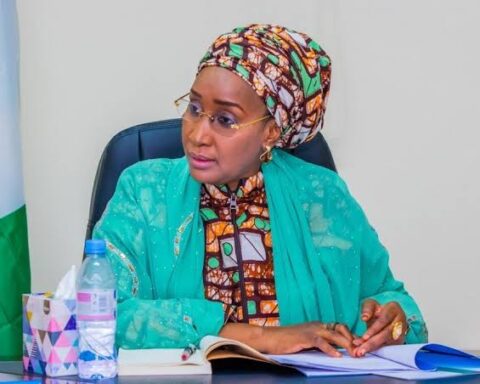
The official explanations are always locally true. Gas supply constraints at the thermal plants. Reduced water inflows at the hydro stations. Lines tripping. Maintenance across the value chain. The Federal Government ruled out systemic failure earlier this month, with the Minister of Power, Joseph Tegbe, working through it alongside the transmission company, the system operator and the Discos.
Each explanation holds. What none of them addresses is that a business cannot plan against a supply that swings by a factor of four with no notice. The outage is not the product. The uncertainty is.
The authority to fix it has been handed out
States took ₦6.21 trillion in allocations over eight months while fewer than half had built the machinery to regulate their own electricity markets, which is the power the constitutional amendment gave them.
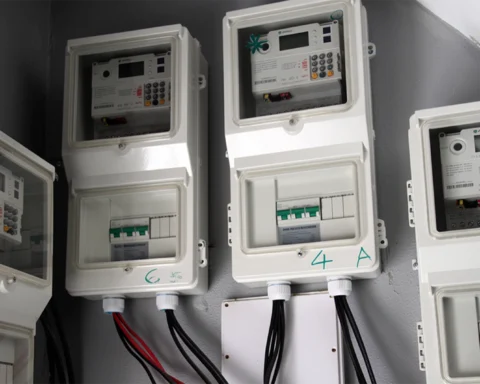
The metering gap says it from the other side. The regulator’s ₦30 billion meter fund came in smaller than what Nigerians spent buying meters for themselves in a single year. People are already solving this privately, faster than the state is.
What it means for Lagos this December
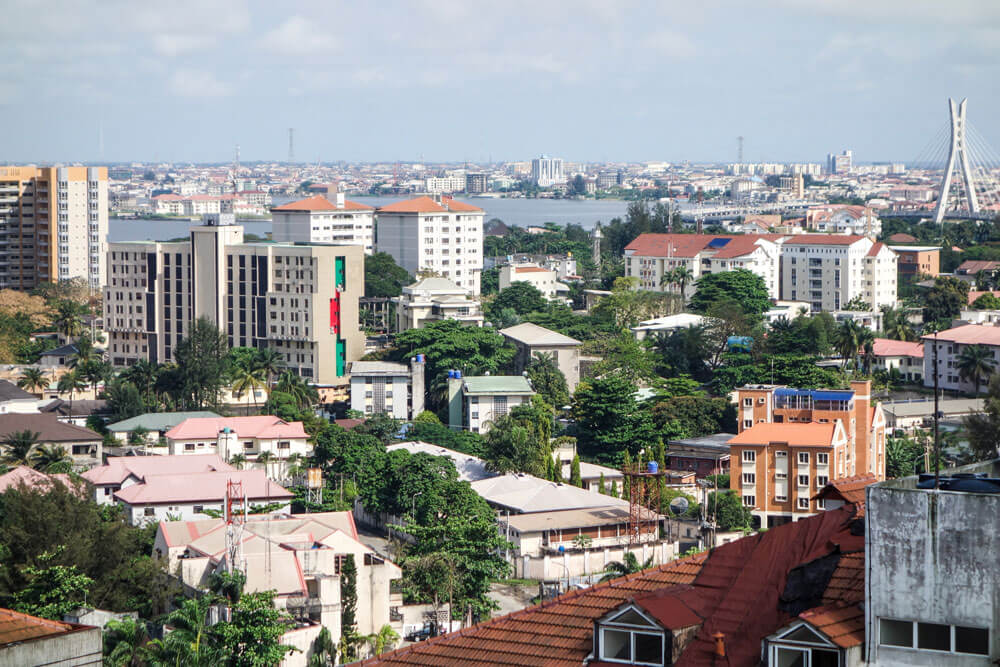
Lagos has 730MW across its two Discos today. On Friday it had 265MW. Same city, same week.
For a venue taking December bookings, that swing is the entire problem. You cannot price a night against 730MW and then be handed 265MW, which is why nobody tries. The diesel runs regardless and the generator cost goes into the ticket whether the grid shows up or not.
And Lagos is the best-served place in the country. Yola is on 74MW on a good day.