The world has become a global village, one where the internet can fast-track career trajectories in a way that would have been impossible in previous years.
In this plugged-in social media age, Nigerian creatives have become a lot more intentional in juggling multiple creative paths.
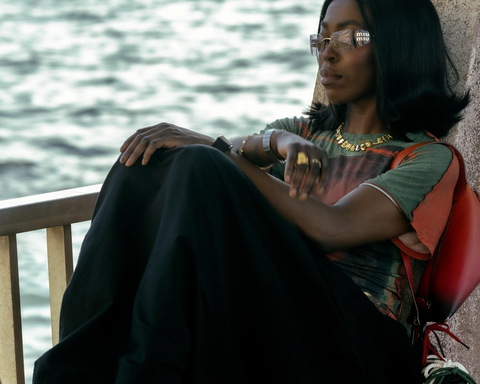
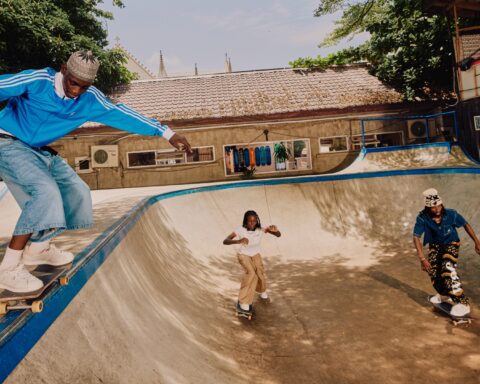
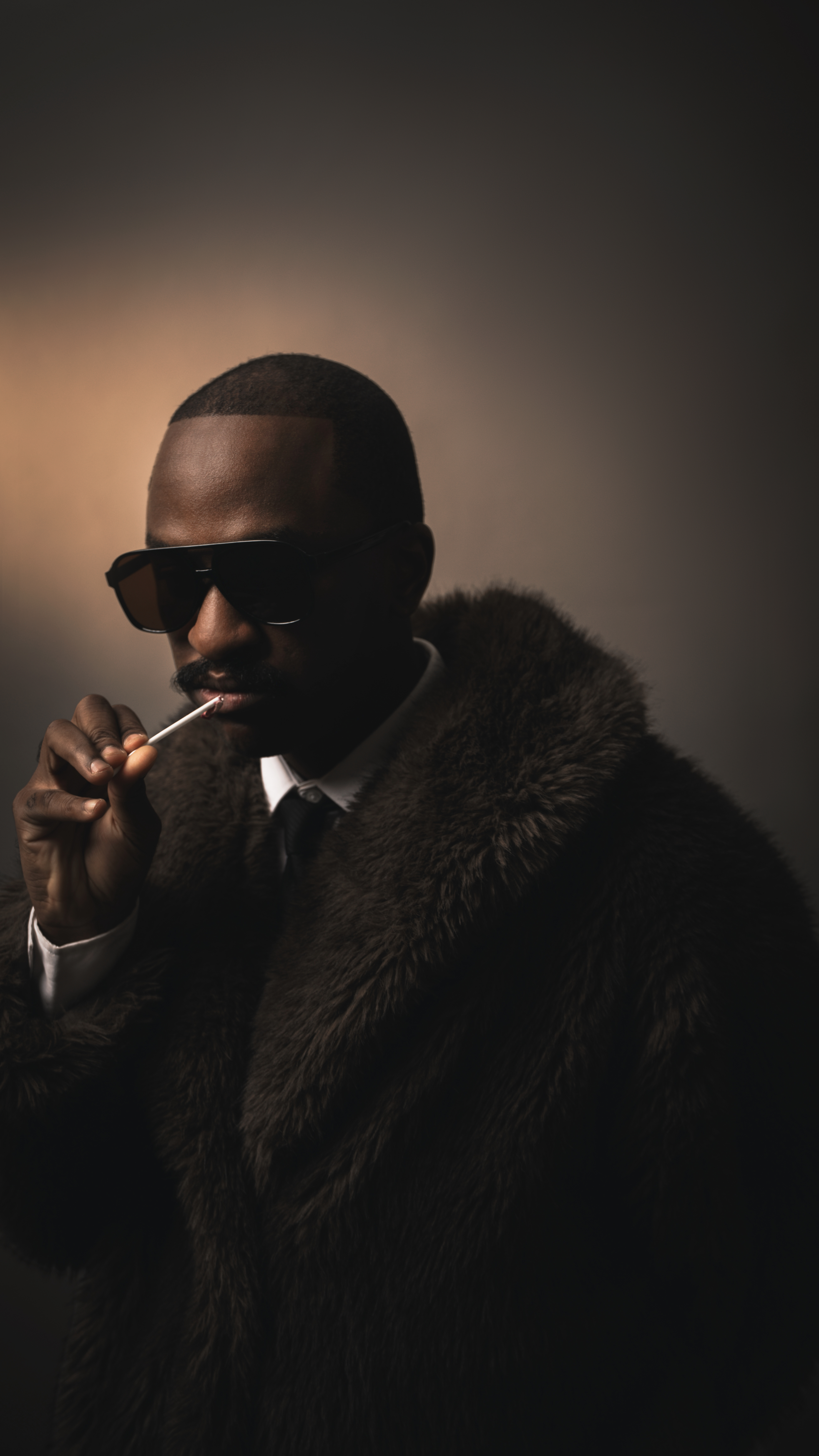
Maga Envulanza, known professionally as magapls, is a Nigerian photographer, creative director, and designer whose work has been featured in prominent places, including Nylon Japan. His photography explores fashion, beauty, and what it truly means to be proud of being Black in a climate that foregrounds whiteness as the standard.
Recently, More Branches spoke to him about his creative journey, his latest project, General Market, and what Nigeria’s creative industry landscape looks like today.
First of all, congratulations on being featured in Nylon Japan. Can you walk us through the process of being featured there?
Thank you so much! It honestly felt surreal. Japan is about 14 hours ahead of Nigeria, so I got a message from the Nylon Japan editor around 5 a.m. I woke up to a DM saying she’d like me to make a submission. At first, I thought it was a prank, but after checking her profile, I realized she was really an editor. I sent her a few unreleased projects, and when she saw General Market, she instantly loved it. I was supposed to release it that weekend, but I decided to delay it by a month so it could debut on Nylon Japan, which felt completely worth it. On September 27th, she sent me the digital tearsheets and photos of the print copy. That moment felt like everything was aligning perfectly.
In your journey as a photographer and creative director, what has been a key takeaway from the intersection of photography, fashion, and modelling, especially in Nigeria?
For me, working primarily with polaroids has taught me the value of intentionality in image-making. Polaroid photography slows everything down; there’s no retouching, just the moment, the subject, and the light. This intersection of photography, fashion, and modelling has shown me how powerful authenticity can be. Every frame feels honest because it’s unfiltered. It’s about capturing people as they are, not how we imagine them to be. I think that’s especially important in Nigeria’s creative scene right now, as we’re learning to celebrate raw beauty, individuality, and cultural nuance.

You are the head of fashion at Wear It All Abuja. How would you describe the importance of cities like Abuja in the development of Nigeria’s fashion industry?
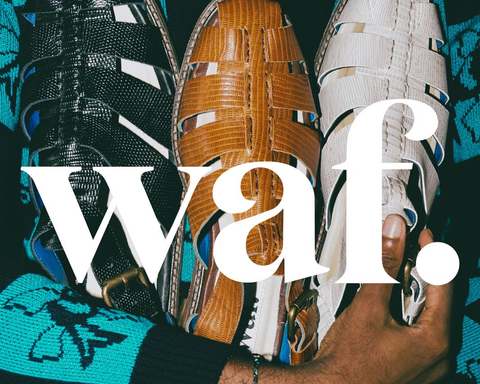
I was raised here in Abuja, so I’ve witnessed the city’s creative scene evolve firsthand. It’s not just the fashion industry that’s growing, but the creative industry as a whole. While we may not yet have fashion houses as large as those in Lagos, a kind of renaissance is happening. With brands like Wear It All opening in Abuja and offering high-end luxury goods that were only accessible abroad, the gap between Lagos and Abuja is closing fast. And with young people like us who’ve experienced fashion in countries like England, France, and Italy. We’re now bringing that knowledge and skill set back home to build Nigeria’s future in fashion.
Recently, there has been an upsurge in conversations on colorism in the Nigerian fashion industry. Your photography seems intentional about documenting darker-skinned models. Why do you think that is important?
It’s very important because so much of our culture is being gentrified and watered down for global consumption; our music, our food, even our style. But our skin color is the one thing that can’t be diluted. When I work with dark-skinned models and the work goes viral, even if people don’t know who created it, they can still recognize it as African art, and that means everything to me. Gone are the days when women felt pressured to bleach their skin just to fit in. Now, I’m seeing people embrace their natural complexions with pride. Through my work, I want to contribute to that shift and show how powerful and beautiful dark skin truly is.

You are a photographer and a designer. Is there a point in your journey as a designer where your creative vision as a photographer comes in?
Every time! My work as a photographer, art director, and fashion designer constantly overlaps. I don’t usually design pieces for my own brand, as I’m often commissioned by other brands to create collections or capsule lines for them. That said, I still design many of the pieces seen in my shoots. I start with rough sketches and then share them with my illustrator to refine.
As we design, I’m already imagining the poses, posture, and mood of the model. Sometimes it works the other way around, where the idea for the shoot comes first and ends up shaping the styling and design direction.
You have a strong portfolio on social apps like Instagram. What are your thoughts on how social media influences the career trajectory of creatives in Nigeria?
I’m really grateful to be creating in the digital era, where we have access to so much art, both old and new. Social media has completely changed how creative careers evolve. For example, Anthony Azekwoh went viral five years ago for his digital painting, The Red Man, and has grown immensely since then. If it were fifty years ago, without social media, that probably wouldn’t have happened. It’s honestly a blessing, and I only have positive thoughts about the influence of social media on Nigerian creatives.

Can you highlight some photographers in the Nigerian fashion industry that more people should know of?
There are so many talented photographers in both Lagos and Abuja. Some of my favorites are Blue, Akanni, and Danielle Mbonu. Honestly, there’s so much talent in the Nigerian photography scene right now, and it’s exciting to watch it grow.
If you could go back in time, what advice would you give yourself as a newbie photographer and creative?
Nothing, honestly. I feel like I had to make those mistakes to get here, so I wouldn’t take anything back.
Every misstep taught me something, whether it was patience, discipline, or the importance of trusting my eye. Those lessons shaped how I see, create, and lead today.