
Nigeria is recording a fresh wave of Lassa fever infections in 2026, with the Nigeria Centre for Disease Control and Prevention (NCDC) confirming new cases and deaths across multiple states.
According to the NCDC’s latest situation report, the outbreak has affected several states, with Ondo, Edo, and Bauchi among those recording the highest number of confirmed cases. The agency said it continues to monitor transmission patterns, case fatality rates, and response efforts as part of its national surveillance strategy.
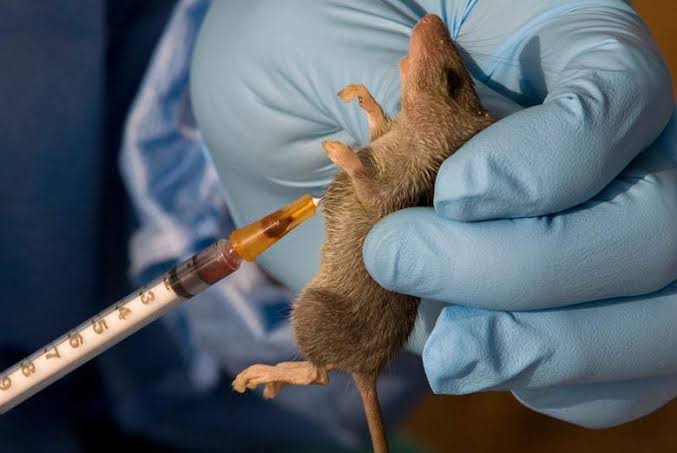
Lassa fever is a viral haemorrhagic disease transmitted primarily through contact with food or household items contaminated by infected rodents, particularly the multimammate rat. Human-to-human transmission can also occur in healthcare settings if proper infection prevention measures are not followed.
Data tracked by global monitoring platforms show that Nigeria continues to experience seasonal spikes in cases, particularly during the dry season when rodent activity increases. These platforms note that early detection and rapid response remain critical in limiting fatalities.
The NCDC has urged Nigerians to take preventive steps, including proper food storage, maintaining clean environments to discourage rodents, and seeking medical attention early when symptoms such as fever, headache, sore throat, or unexplained bleeding appear.
Public health experts warn that Nigeria’s recurring Lassa outbreaks highlight persistent gaps in disease surveillance, public awareness, and healthcare infrastructure, particularly in rural communities where access to testing and treatment may be limited.
While authorities say response teams have been deployed and treatment centres activated, the situation underscores the ongoing vulnerability of the country’s health system to infectious disease outbreaks.
The NCDC says it will continue to provide weekly updates as containment efforts progress.