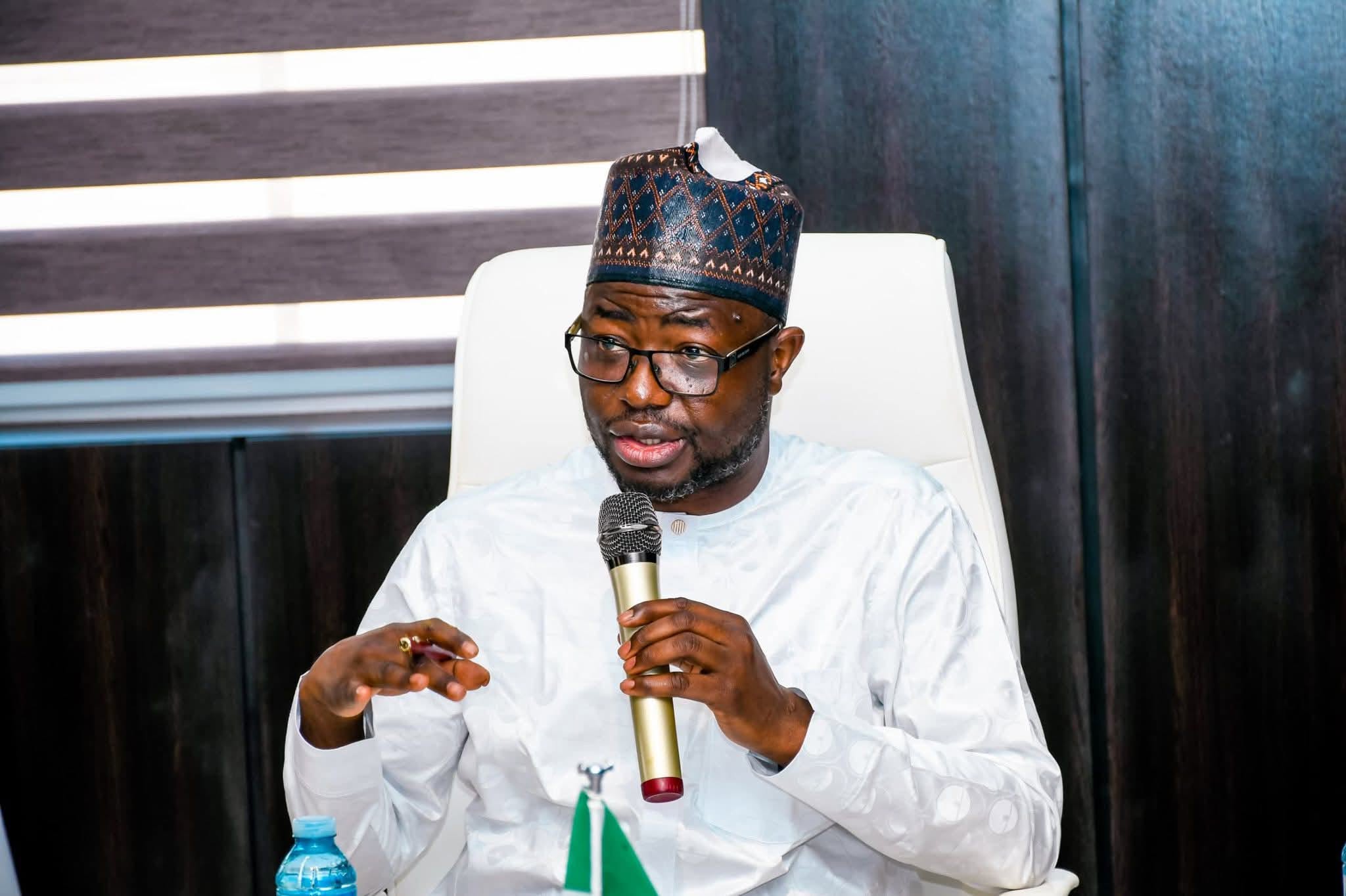
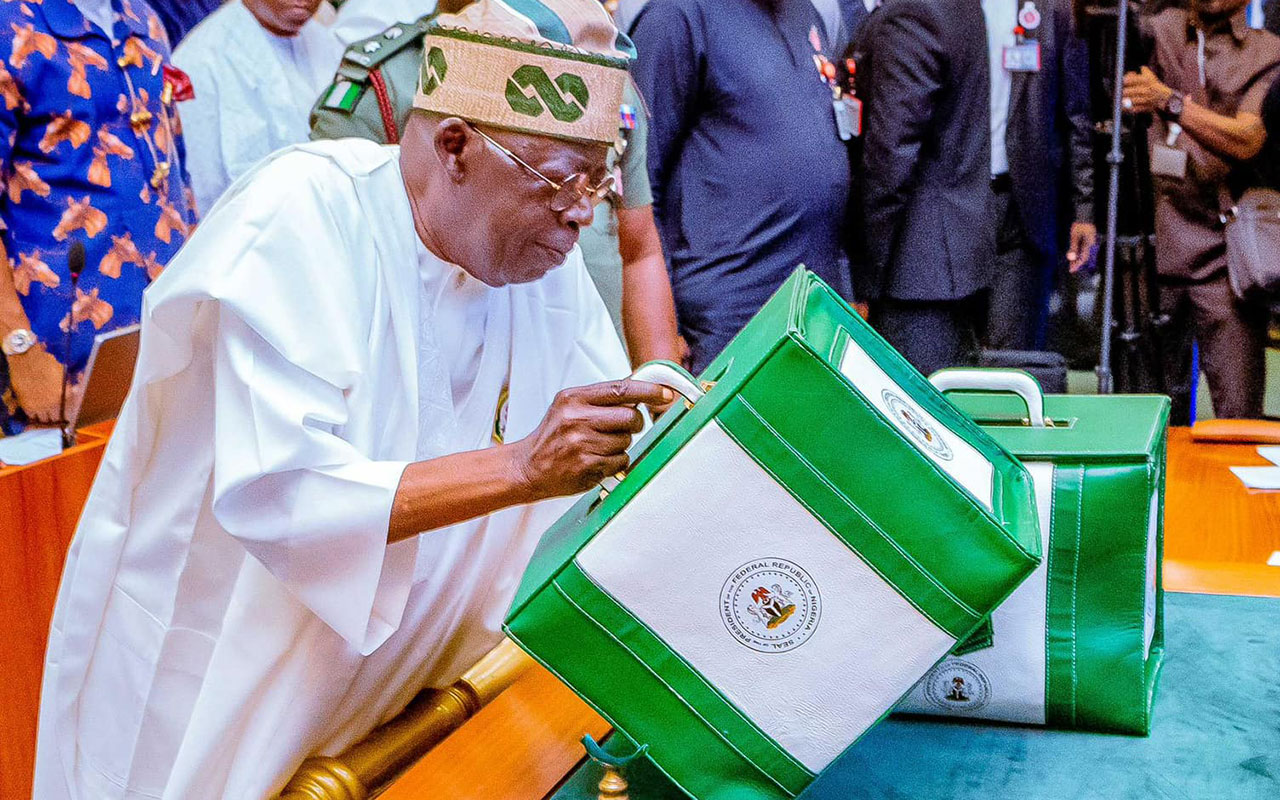
President Bola Tinubu on Wednesday asked the House of Representatives to approve the terms of ₦10.79 trillion in external borrowing already written into the 2026 Appropriation Act. Speaker Tajudeen Abbas read the letter at plenary and referred it to the joint committees on Aids, Loans and Debt Management and on Finance.
At the budget’s exchange rate of ₦1,400 to the dollar, that is about $7.7 billion.
We reported the Senate stage of this request on 6 November. It has now reached the House of Representatives.
It is not a fresh loan request
Abbas told the House the letter does not seek new borrowing authority. The National Assembly already granted that when it passed the 2026 budget. What the president is asking for now is statutory sign-off on the terms of the loans.
The ₦10.79 trillion is the external half of ₦29.2 trillion in new borrowing planned for 2026. The other ₦18.4 trillion is to be raised at home. Together they part-finance a deficit of ₦31.4 trillion.
It also replaces something bigger. In October the president sent the Senate a plan covering roughly $20.5 billion and €1.045 billion for 2026 and 2027. That letter, dated 26 October, went to the Senate Committee on Local and Foreign Debts. Senate President Godswill Akpabio said the revised arrangement offers greater clarity and flexibility on where the money will come from.
Where the money is meant to go
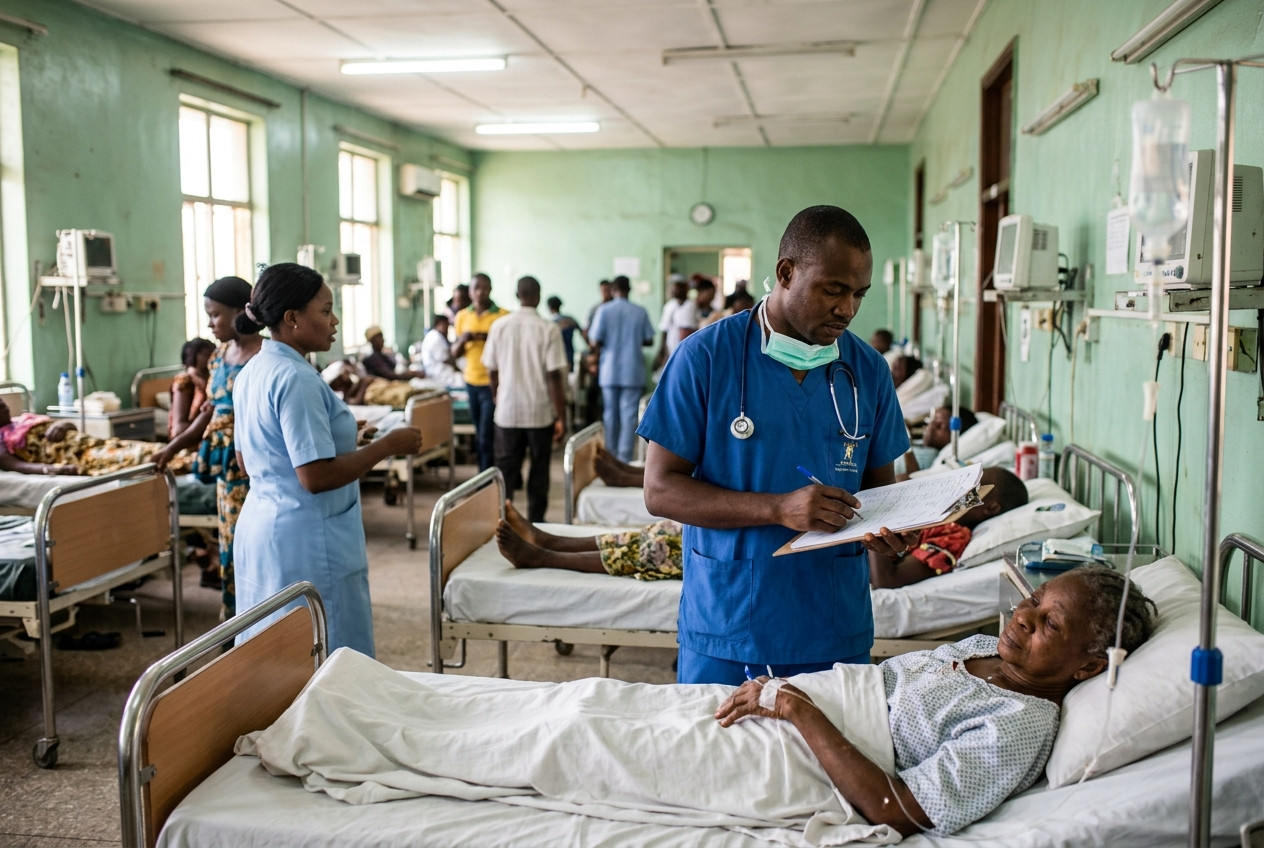
The letter lists infrastructure and transport, power, agriculture, defence and security, and healthcare and education. The proceeds are to be paid to the Central Bank of Nigeria on behalf of the Federal Government, which the president says will also lift external reserves.
The government plans to raise it mainly through Eurobonds, which it prefers because they can be arranged relatively quickly, alongside concessional and commercial loans, IMF facilities, bridge financing and syndicated loans. Rates and tenors will depend on what the market offers when the deals are signed.
What it is being added to
Nigeria’s total public debt stood at ₦166.79 trillion at the end of June 2026, according to the Debt Management Office. That is ₦7.44 trillion more than three months earlier, and ₦14.39 trillion more than a year before.
Carrying that debt is already one of the largest commitments in the budget. Of the ₦68.32 trillion appropriated for 2026, ₦15.81 trillion is for debt service. That is 23.14 per cent, or ₦1 of every ₦4.32 the government spends this year, gone before a road is built, a teacher is paid or a hospital is stocked.
For scale, the entire capital budget for 2026 is ₦32.29 trillion. Debt service is roughly half of everything the government plans to spend on building things.
Why this one should be watched
Borrowing is not automatically a problem. Governments borrow to build, and a loan that funds a working port or a functioning grid can pay for itself several times over. The test is what the money buys and what the repayment costs.
Two things make external borrowing different for an ordinary household. The first is that it is repaid in foreign currency. The ₦10.79 trillion figure is calculated at ₦1,400 to the dollar; if the naira trades weaker than that over the life of the loans, the naira cost of repaying the same $7.7 billion rises, and the extra comes out of the same budget everything else is paid from.
The second is that debt service is not optional. It is paid first. Every naira committed to it is a naira that cannot be moved to anything that was underfunded this year, which is why the 23 per cent figure matters more than the headline loan amount.
The joint committees are expected to report back to the House. Whether the terms are published in full, and at what interest rate, is the detail worth waiting for.