The federal government has put forward a draft plan to make Tinubu’s economic reforms harder for a future government to undo. A viral post said the government is “set to pass a law” that would make the reforms “binding and mandatory”. That is ahead of what has actually happened. The Nigerian Economic Policy Framework is a consultation draft, and no law has been passed.
What was announced
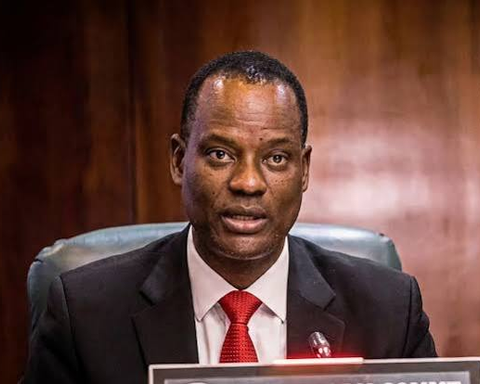
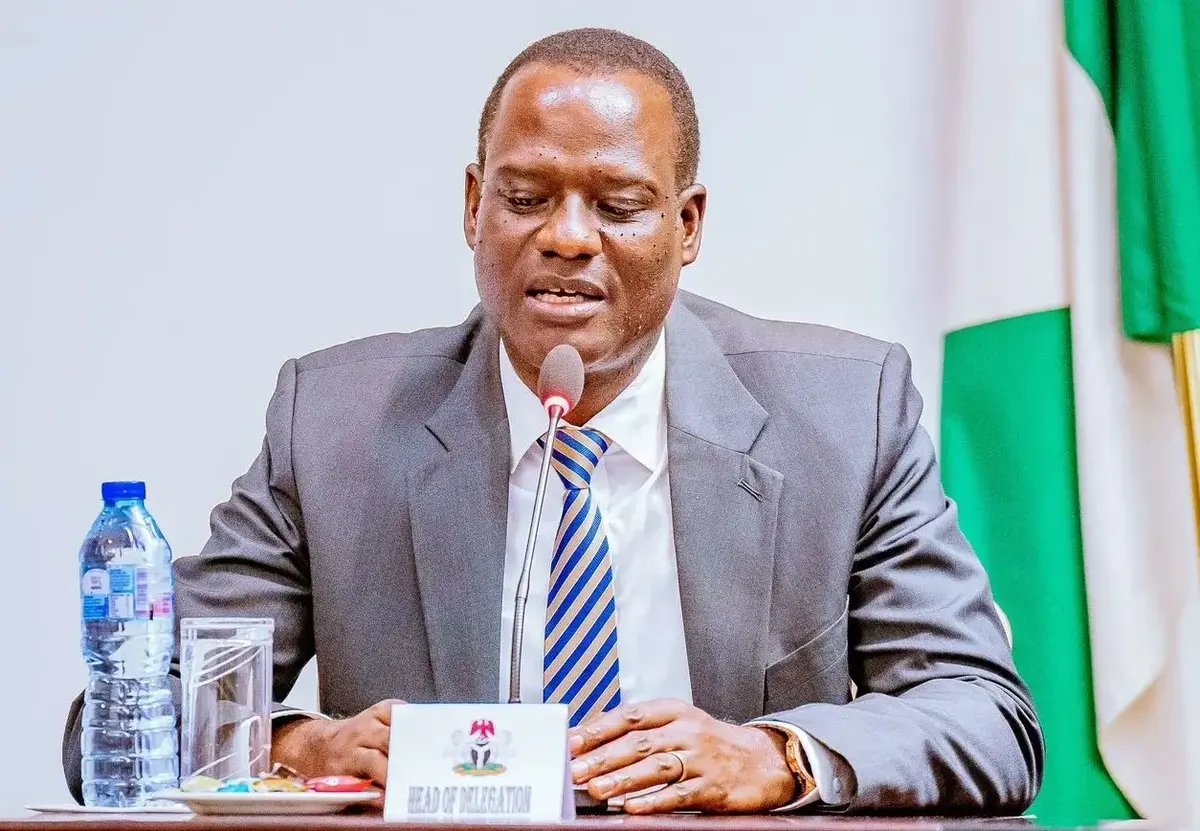
On Monday 26 October, Finance Minister Taiwo Oyedele presented the draft Nigerian Economic Policy Framework at the 32nd Nigerian Economic Summit in Abuja, according to Pulse Nigeria. He said the reforms now need to be locked in through institutions, law and a policy framework so they last. He called policy uncertainty an invisible tax on enterprise.
Which reforms it covers
The reforms in focus are petrol subsidy removal, exchange rate unification, taxation and tariffs. Officials have said there will be no return to the petrol subsidy or to multiple exchange rate windows. Oyedele said the same on 17 October at the World Bank and IMF meetings in Bangkok. There he also said an NNPC retail discount was a time-bound commercial decision, not a subsidy.
What the framework would do
The draft describes itself as a national economic doctrine, not a development plan or a manifesto. It sets principles for economic decisions and does not list individual policies. According to Pulse Nigeria, it would:
- Allow departures from the principles in an emergency, but only with a clear trigger, a time limit, disclosure of the cost and a published path back.
- Require impact assessments before major tax, tariff and regulatory changes.
- Treat tariffs as a tool to help local industry grow, not a permanent shield from competition.
- Possibly shape how public officials are selected, with political appointees expected to follow the agreed principles.
Is it a law?
Not yet. The framework is a consultation draft and has not been approved. Public comments are open until 27 November 2026 through 17 questions on the Ministry of Finance website. After that, it goes to the Federal Executive Council for approval and the National Economic Council for endorsement. The government is also asking whether it should become law. Core provisions could become law as early as 2027.
Why it is being watched
The 2027 elections are close, and opposition politicians are calling for some reforms to be reversed because of rising living costs. Former Vice President Atiku Abubakar has suggested a subsidy tied to domestic production and crude supply to local refineries. The government says subsidy removal and exchange rate unification were needed to fix long-standing structural problems, and describes the old subsidy regime as unsustainable and prone to abuse.
What we still do not know
It is not clear what legal force the framework would have if it is enacted, or how a future government or the National Assembly could change it. Reports so far include no formal criticism of the lock-in proposal itself. Gazette NGR also reports the draft is posted on the finance ministry’s website.