
Nigeria’s debt problem is back in the spotlight as the federal government moves to borrow again to settle long-standing power-sector obligations, a step that has reopened uncomfortable questions about how trillions of naira in public money disappeared in the first place.
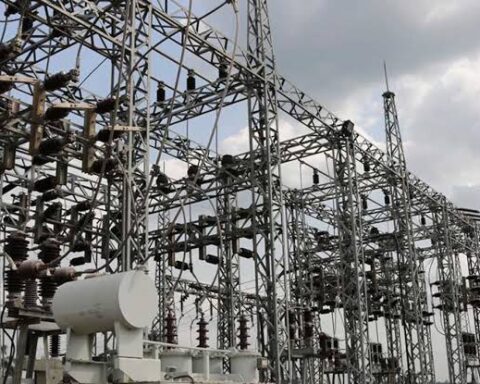
The government has begun clearing electricity market debts estimated at about ₦4 trillion, including payments to generation companies that have waited years to be paid. Part of the plan includes issuing a ₦501 billion bond to reduce accumulated liabilities and stabilise the power sector. While officials describe the move as necessary to fix a broken system, it also means Nigeria is taking on fresh debt to clean up failures that built up over more than a decade.
Over the past 11 years, Nigeria’s budget deficit has surged by nearly 1,000%, driven by rising spending, weak revenues, and repeated resort to loans. Yet despite trillions of naira borrowed, electricity supply remains unreliable, infrastructure gaps persist, and basic services remain underfunded.
Debt servicing has now become one of the biggest claims on public finances. Recent budgets show trillions of naira going into interest payments alone, crowding out spending on defence, education, healthcare, and infrastructure. In effect, the government is spending more to service old loans than to protect citizens or invest in growth.
Fuel subsidies played a major role in this slide. For years, the government borrowed to keep petrol prices artificially low, pouring trillions into a system widely criticised for fraud, inflated claims, and weak oversight. Even after subsidy removal, the expected savings have largely been swallowed by rising debt-servicing costs, leaving little fiscal relief.
The power sector followed a similar path. Poor governance, tariff shortfalls, market manipulation, and weak regulation allowed debts to pile up year after year. What is now described as “legacy obligations” includes years of unpaid bills, disputed claims, and financial leakages that were allowed to fester without accountability.
The current administration argues that settling old debts is necessary to reset broken sectors and restore investor confidence. However, Nigeria’s debt crisis is not just about how much the country borrows. It is about how money is spent, who is held accountable, and why failures are repeatedly passed on to the public through higher debt.