
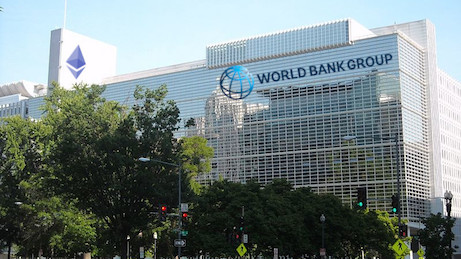
Nigeria’s debt to the World Bank’s International Development Association (IDA) has climbed to $18.7 billion, according to newly released figures, placing the country among the largest borrowers from the institution.
The increase reflects fresh disbursements under development financing programmes as well as existing obligations accumulated over recent years. The IDA provides concessional loans and grants to low-income countries, often with long repayment periods and relatively low interest rates.
Recent data shows the debt rose by nearly $2 billion compared to previous figures, intensifying debate over Nigeria’s growing reliance on multilateral lenders to finance infrastructure, social protection, and economic reform initiatives.
Nigeria remains one of the largest IDA borrowers globally, with its exposure placing it alongside countries such as Bangladesh and Pakistan among the top recipients of concessional World Bank funding. Data also indicates that Nigeria, Bangladesh, and Pakistan together account for nearly 30 percent of all IDA-eligible debt globally, underscoring the scale of Nigeria’s engagement with the World Bank.
In recent years, Nigeria has secured billions of dollars from the World Bank to support budgetary reforms, healthcare, education, and economic stabilisation efforts. Earlier reports showed that Nigeria borrowed approximately $2.9 billion from the institution in 2022 alone.
While government officials argue that concessional loans remain a necessary tool for development financing, economists continue to warn that rising external debt could pose long-term fiscal risks if revenue generation does not improve significantly. With mounting borrowing obligations, attention is increasingly turning to how effectively loan funds are deployed and whether Nigeria can maintain debt sustainability in the coming years.