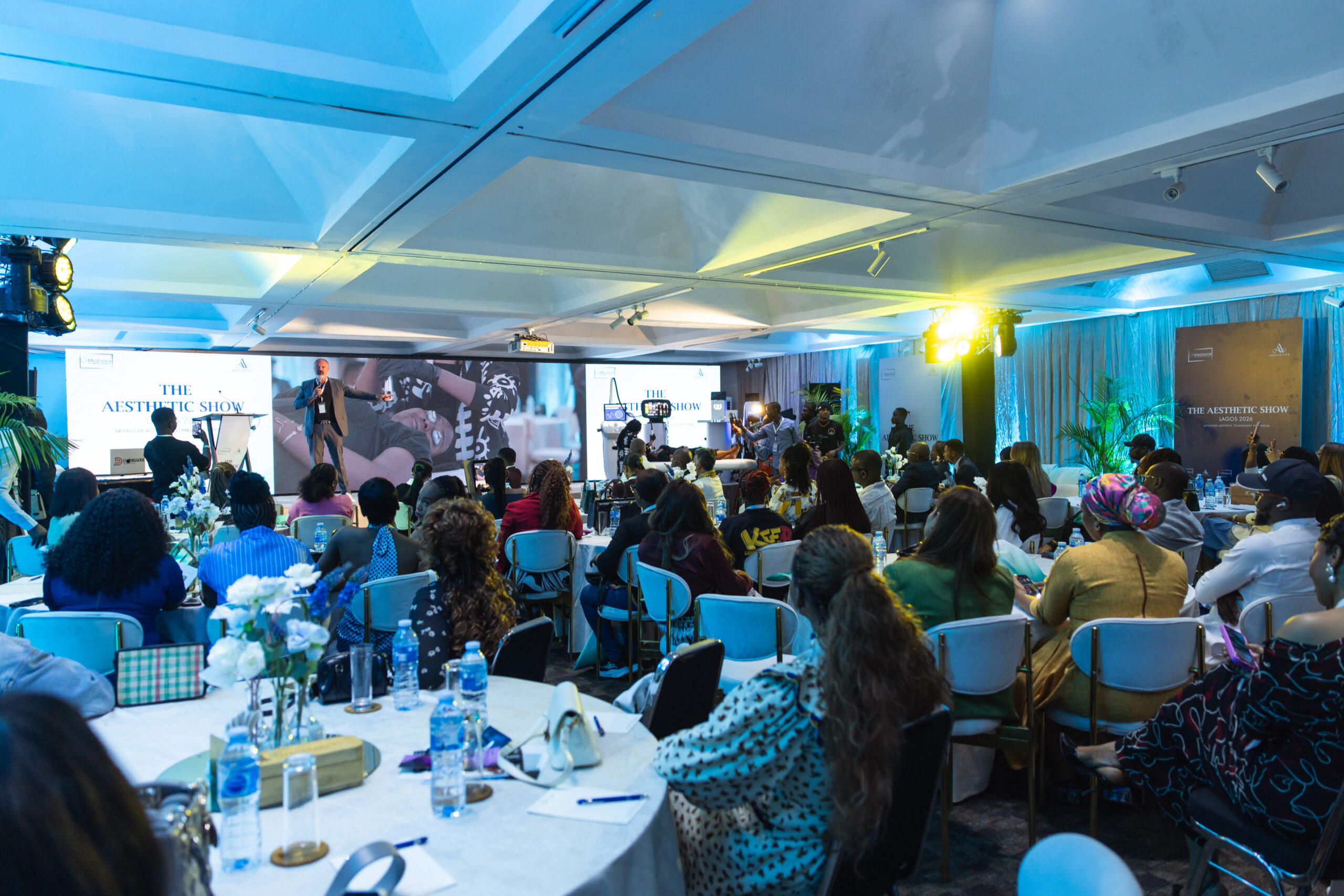
On Saturday, April 4th 2026, I attended The Aesthetics Show Lagos at The Wheatbaker Hotel, Ikoyi. Organised by Medizone, a leading innovator in the Nigerian aesthetic space, the event was a first-of-its-kind experience not just for advanced aesthetic medicine in Africa, but for me as well.
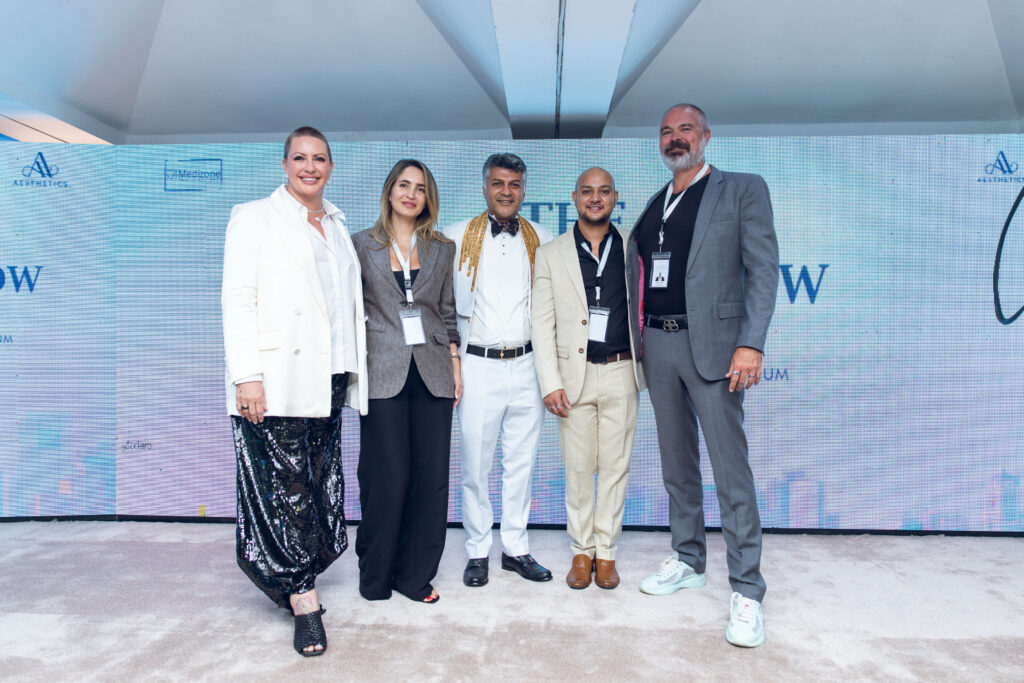
Nigeria’s first advanced aesthetic technology symposium was split into scientific demonstrations of new aesthetic technologies and presentations and speeches by leading aesthetic professionals like Dr. Felix Avajah, Dr. Pranav, Dr. Benjamin White, and Dr. Brooke Taylor. Dr. Hamza Arisekola Alao and Freda Edewor-Francis, both of whom hold central roles in Medizone’s leadership, also spoke on a commitment to clinical excellence and the power of sustainability in shaping the future of aesthetic medicine in Africa.
“I have watched this industry grow from something people whispered about to something the entire continent is paying attention to. The demand is real. The practitioners are ready. And for too long, the infrastructure has not caught up. That changes today.” – Freda Edewor Francis, Director of Medizone and Founder/CEO of Oasis Medspa
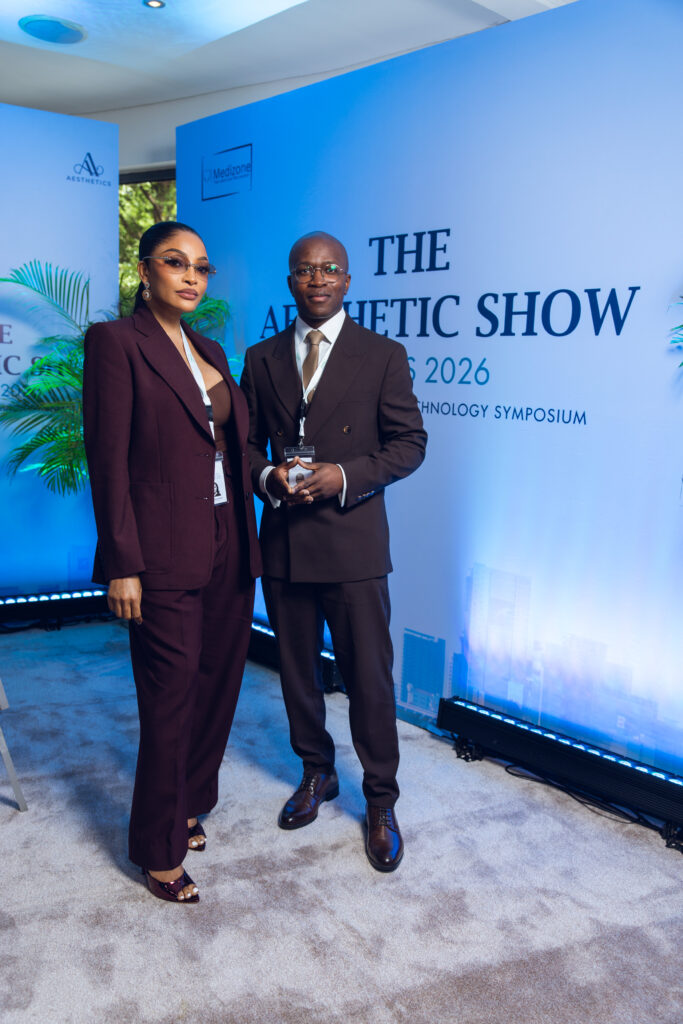
Now, remember how I said at the beginning that The Aesthetics Show Lagos was a novel experience for me?
Well, before this, I had little understanding of what aesthetics was, aside from it being a legitimate field of knowledge. However, I had some reservations about how it is practiced in Nigeria. For starters, I can say that I am not alone in associating aesthetics in Nigeria with those who sell bleaching creams on Instagram under the guise of “aesthetic” and “organic” medicine.
That said, I became much more knowledgeable after the presentations by Dr. Brooke Taylor and Dr. Felix. One thing Dr. Taylor said that many people, even in the industry, do not know is that “numerous skin types require different kinds of melanin treatments”.
That statement felt like a soothing balm for the four-year-old me who was told constantly by strangers that I could never be as beautiful as my lighter-skinned sister because I was darker than her.
When Dr. Pranav spoke on how colorism affects women in Nairobi, Kenya, where he practices, I was startlingly reminded of the almost universal experiences of darker-skinned Black women. I had to ask myself why colorism quite literally colors the beauty narratives in virtually every African country while he spoke.
It is not only colorism that affects the aesthetic space in Nigeria and other African countries. The challenges posed by quacks and unqualified personnel were discussed in depth at the symposium.
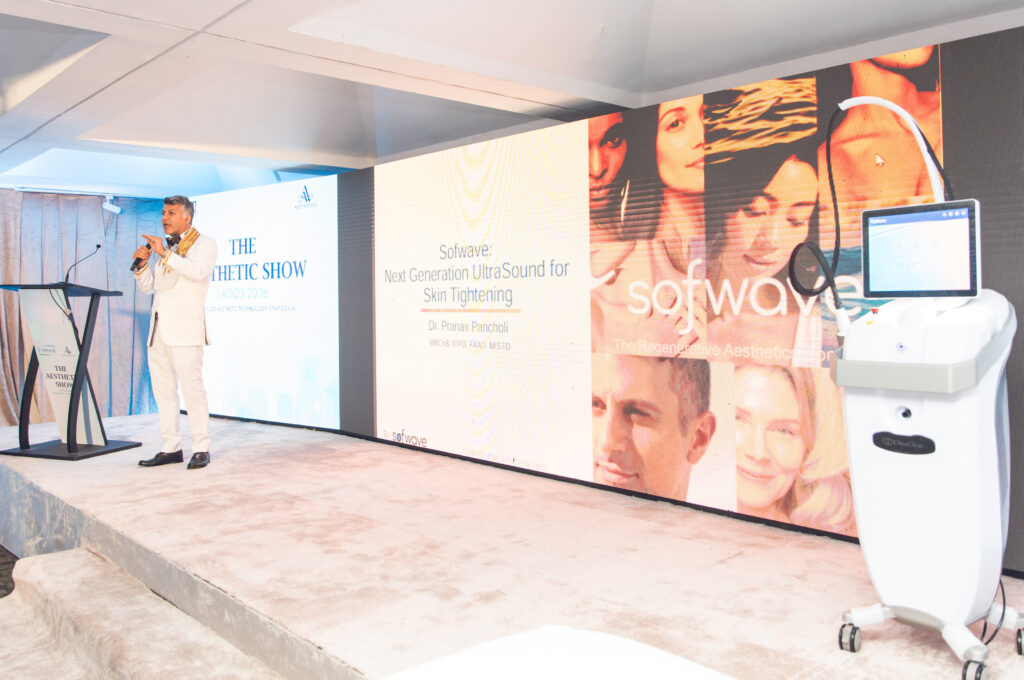
For Dr. Pranav, a globally acclaimed aesthetics professional, he narrated how incidents of quacks in Kenya often led to women and men encountering often dangerous skin issues. He went on to talk about numerous lasers used for treatment, some of which are not suitable for African skin types. However, according to him, “how would you know not to use a certain laser if you are not properly educated?”
The issue of education is one that Dr. Felix Avajah, the President of the Association of Practitioners of Spa and Medical Aesthetics of Nigeria, continually hammered on during his presentation and the press interviews. His passion to see the aesthetic space regulated and free of quacks led him to found a recognised body of aesthetic professionals in Nigeria. Speaking with him, one could see why he in particular advocates for the education of personnel. For one, he mentioned how he also went back to school to get his PhD and advised anyone interested in the aesthetics industry to never falter in their quest for education.
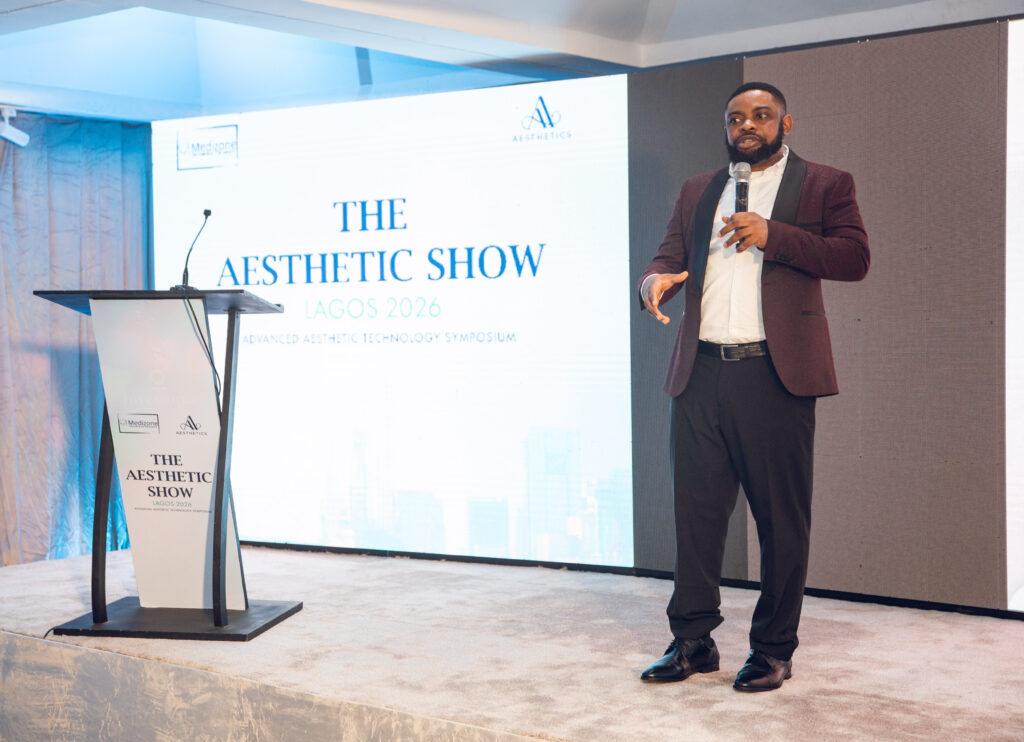
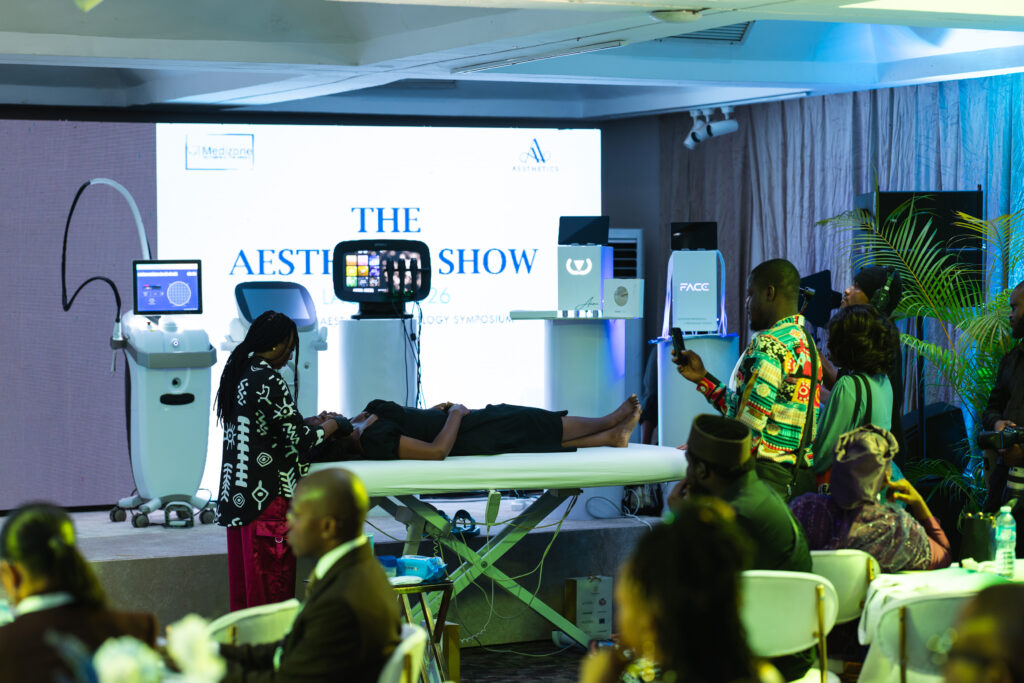
Apart from the scientific demonstrations of aesthetic technologies like Ultraclear, Lumenis, Wonder, and Sofwave, there were also games and pop quizzes that engaged the audience. Moderated by actor/producer Eku Edewor, the session also featured a raffle draw that saw lucky winners walk away with skin treatments valued at up to $3,600. The event was then closed off by an evening of networking and a cocktail reception.
The highlight of my day was returning home knowing that there is space for me as a darker-toned woman in the aesthetic industry. I found this knowledge comforting because, with the kind of intentionality I witnessed, many darker-toned women and girls would not go through what I experienced as a child.