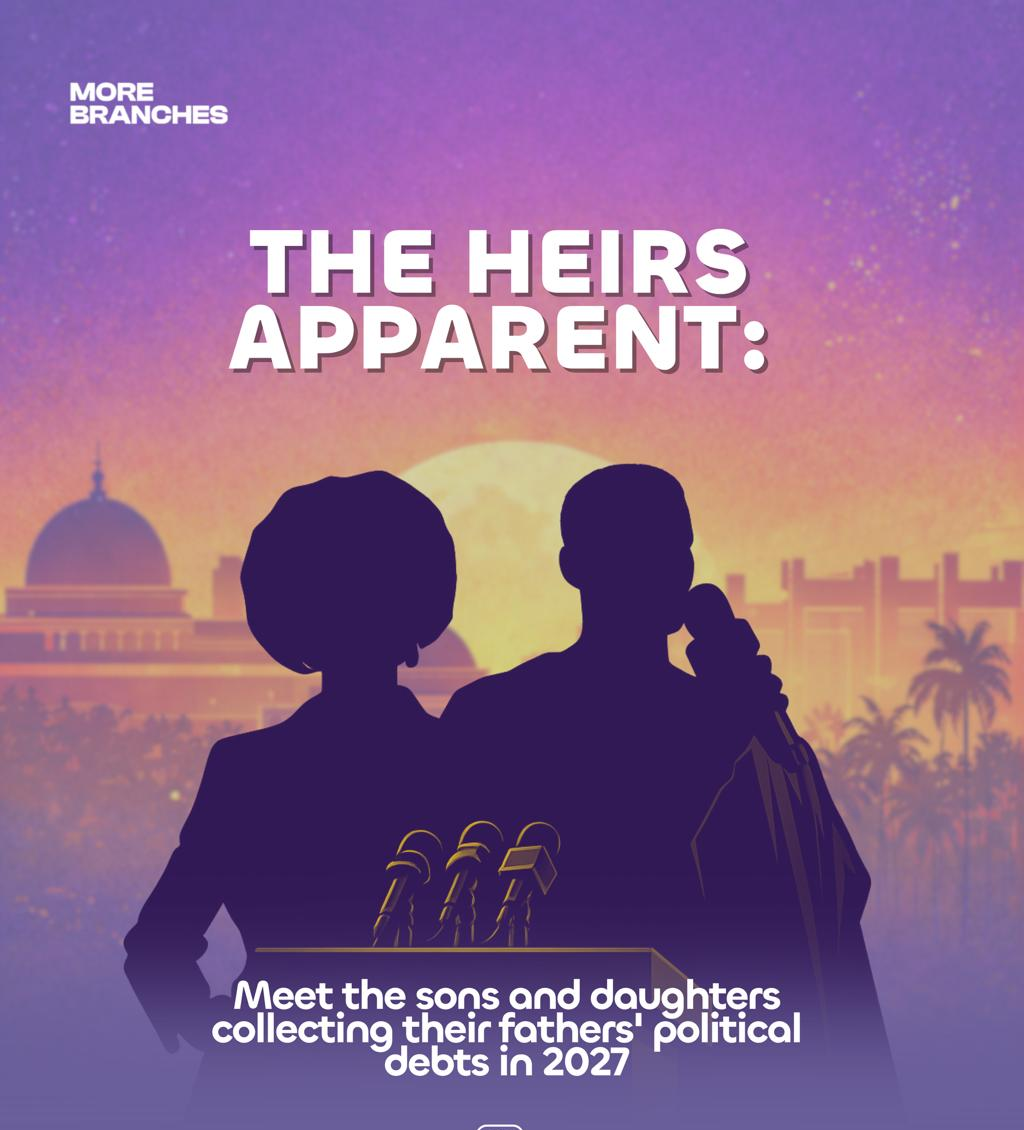
There is a particular kind of confidence that comes with being born into the right family at the right time in Nigeria. You inherit the name, the machinery, the war chest — and eventually, if the timing holds, the office. Call it the Final Entrenchment. As the old guard of Nigerian politics begins its grudging retreat from the front lines, a new class of contenders is moving to fill the vacuum; not from the margins, not from movements, but from the dinner tables of power. The children are no longer content to wait. They are running.
This is not, strictly speaking, new. Political dynasties are as Nigerian as jollof rice and NEPA outages. But what is unfolding ahead of the 2027 general elections feels different in scale and audacity. Across at least ten high-profile races: from the creeks of the Niger Delta to the political flatlands of the Northwest, the sons and daughters of Nigeria’s most powerful figures are preparing to step out of their fathers’ shadows and into the full glare of electoral politics. Some are coming for legislative seats. Others have set their sights higher.
The voters who will greet them at the polls face a question with no clean answer: Is this democracy renewing itself, or simply repackaging itself?
Mustafa Lamido
The Lamido Succession
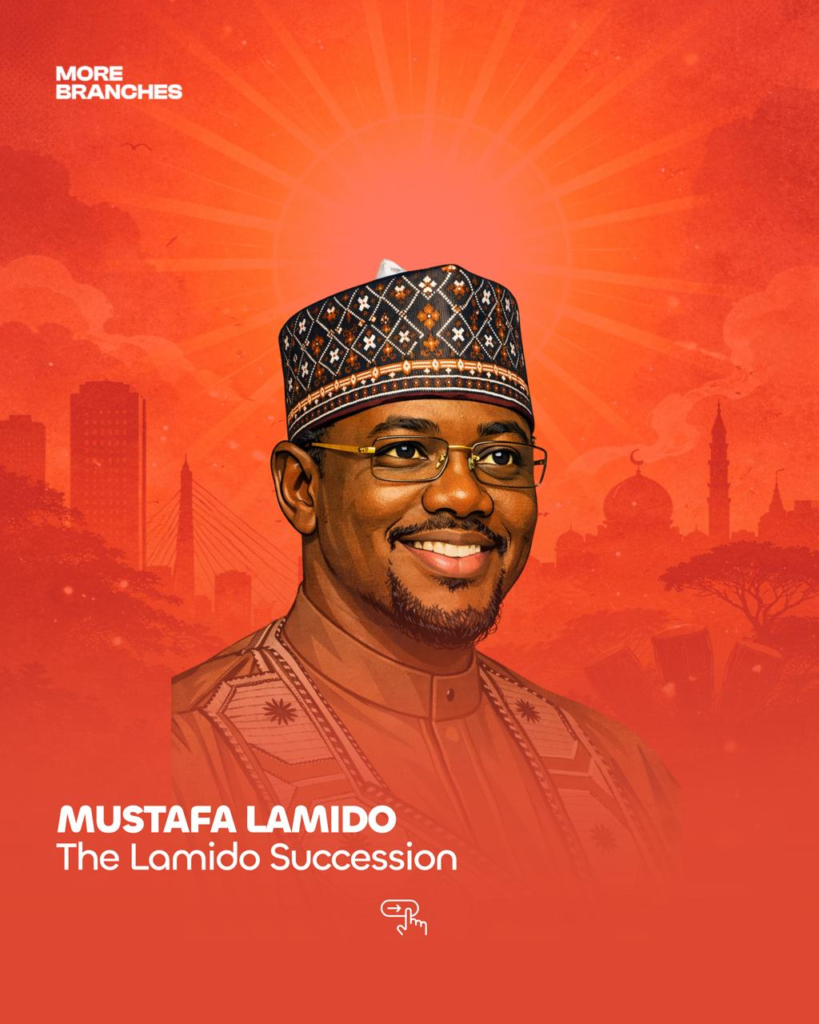
In Jigawa State, Mustafa Lamido, son of the former governor and PDP patriarch Sule Lamido, has spent the years since his narrow 2023 defeat doing what losing politicians do when they believe they are merely delayed: consolidating, networking, waiting. He campaigns now on a “Completion Agenda,” a phrase that tells you everything about how political inheritance works here. The implication is not subtle. Something was started. It belongs to this family. He will finish it. His father’s party structure remains intact. The machine never stopped running.
Mubarak Ahmad Gumi
The Sheikh’s Son
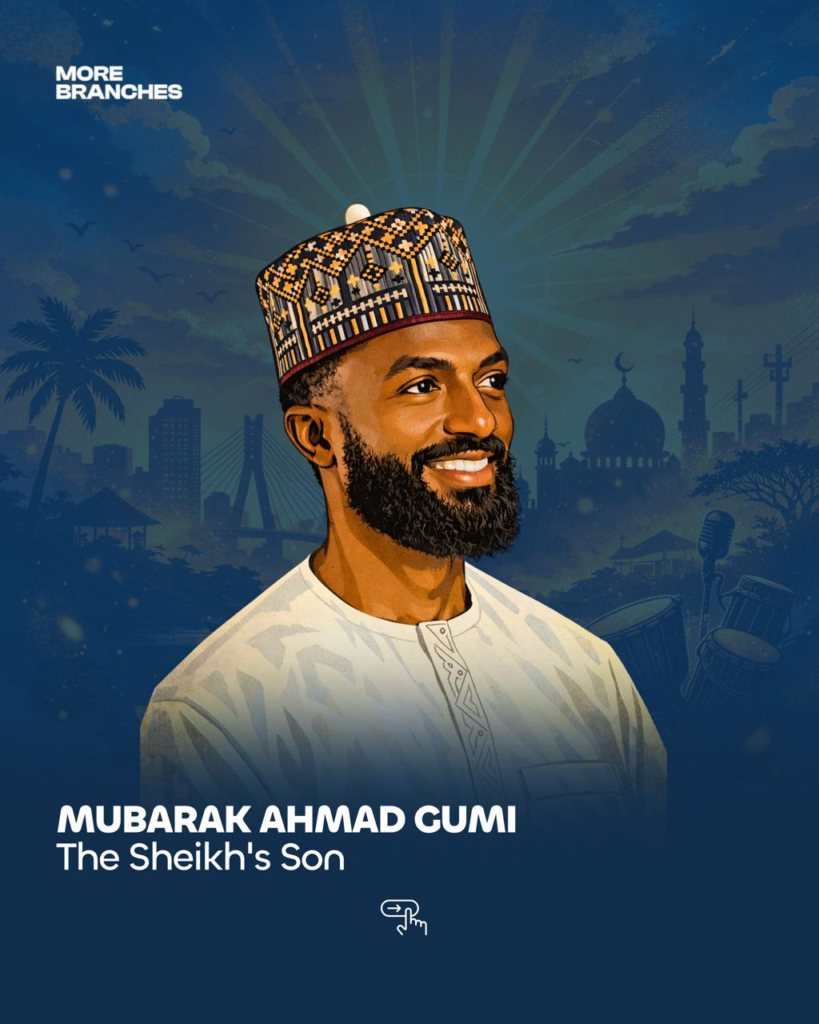
The most ideologically charged entry on the 2027 slate may be Mubarak Ahmad Gumi, son of the influential Sheikh Ahmad Gumi, who announced his intentions for a Kaduna North House of Representatives seat in early 2026. Mubarak has aligned himself with the bloc coalescing around former Kaduna Governor Nasir el-Rufai: a coalition that fancies itself a radical break from the Northern establishment even as it draws from the same deep wells of influence. He calls himself a youth voice. That he is also the son of one of Northern Nigeria’s most prominent religious figures is, apparently, beside the point.
Joacquin Wike
The Wike Empire Expands
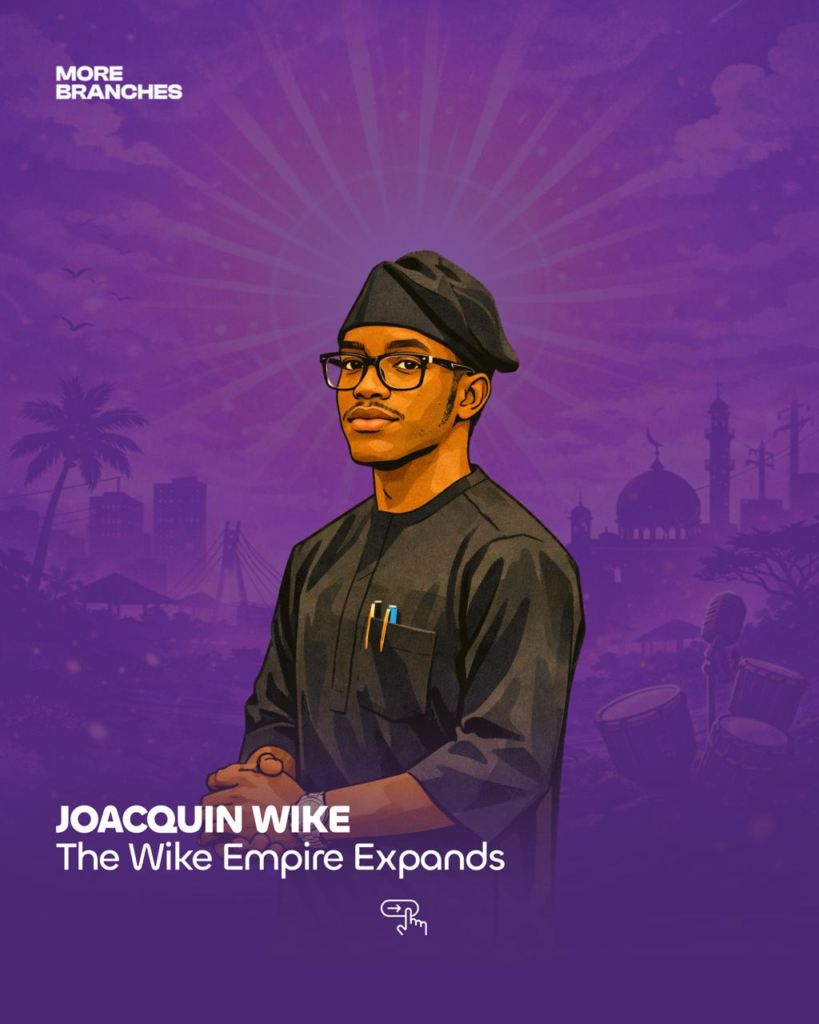
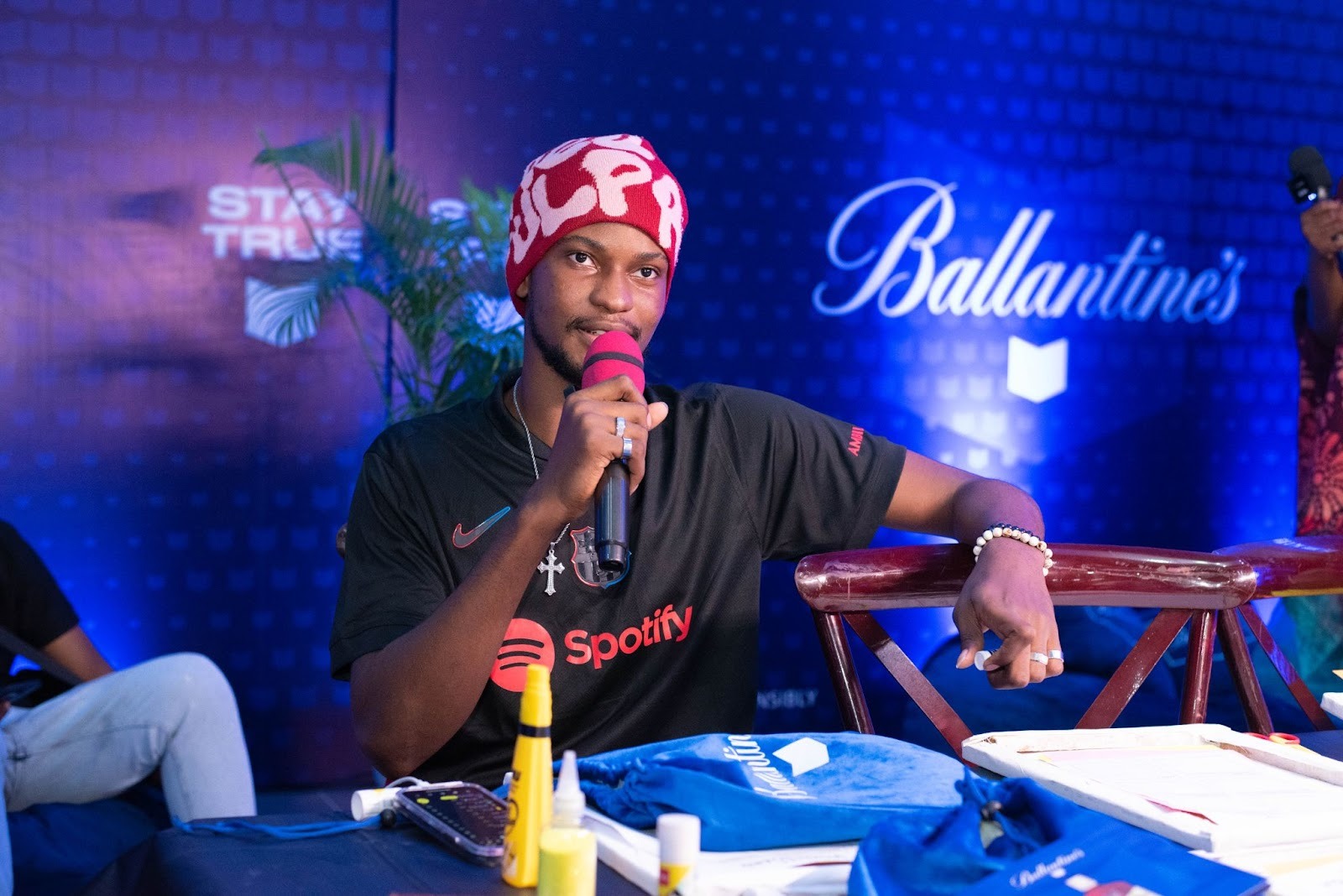
In Rivers State, the political theater requires a different kind of reading. FCT Minister Nyesom Wike’s defection to the APC orbit has been well documented, but the full dimensions of that strategic pivot are only now becoming clear. His son, Joacquin, has begun appearing at “Renewed Hope” rallies in Bonny and Port Harcourt. The appearances are careful, deliberate —an introduction, not yet a declaration. Insiders say the Minister is testing the waters for a legislative seat that would serve as a platform. The message, communicated in the language of political stagecraft, is this: the Wike family is not merely adjusting to power. It is planting its next generation within it.
Osborn Nweze Umahi
The Umahis of Ebonyi
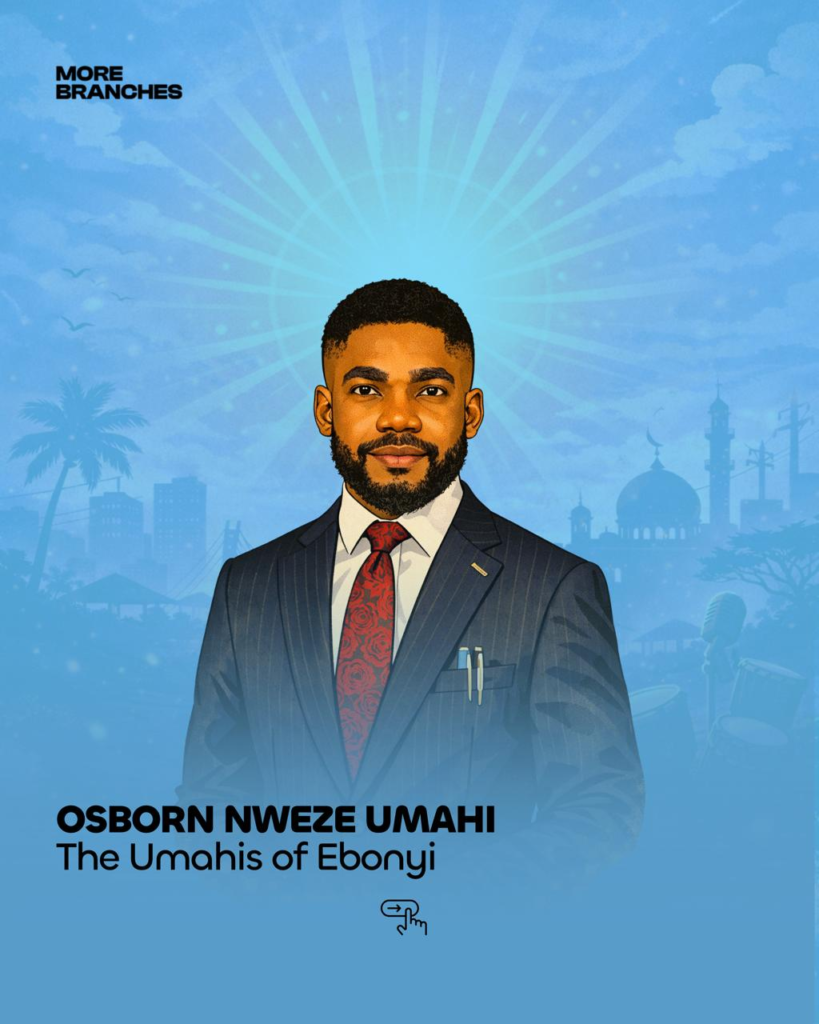
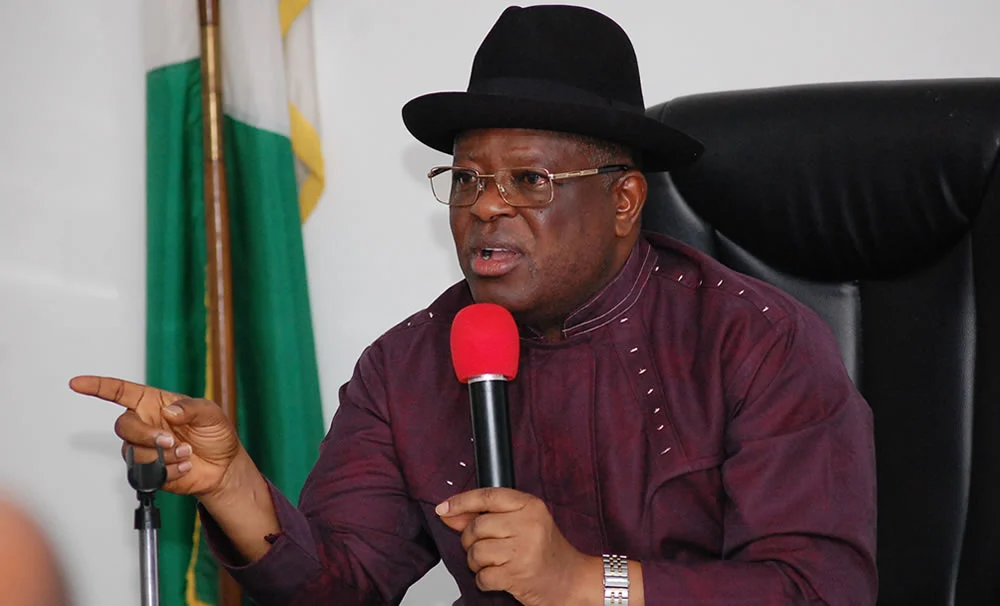
David Umahi built something durable in Ebonyi — enough that his journey from governor to APC defector to Minister of Works has not dimmed his influence back home. His son Osborn has become a fixture in the constituency empowerment circuits that Ebonyi politicians use to build goodwill and gauge appetite. He is widely regarded as the favored candidate for the APC ticket in the family’s home turf of Ohaozara/Onicha/Ivo. There are no major surprises here. Just the predictable logic of a family securing its long-term stake.
Idris Abiola
The Abiola Name Returns
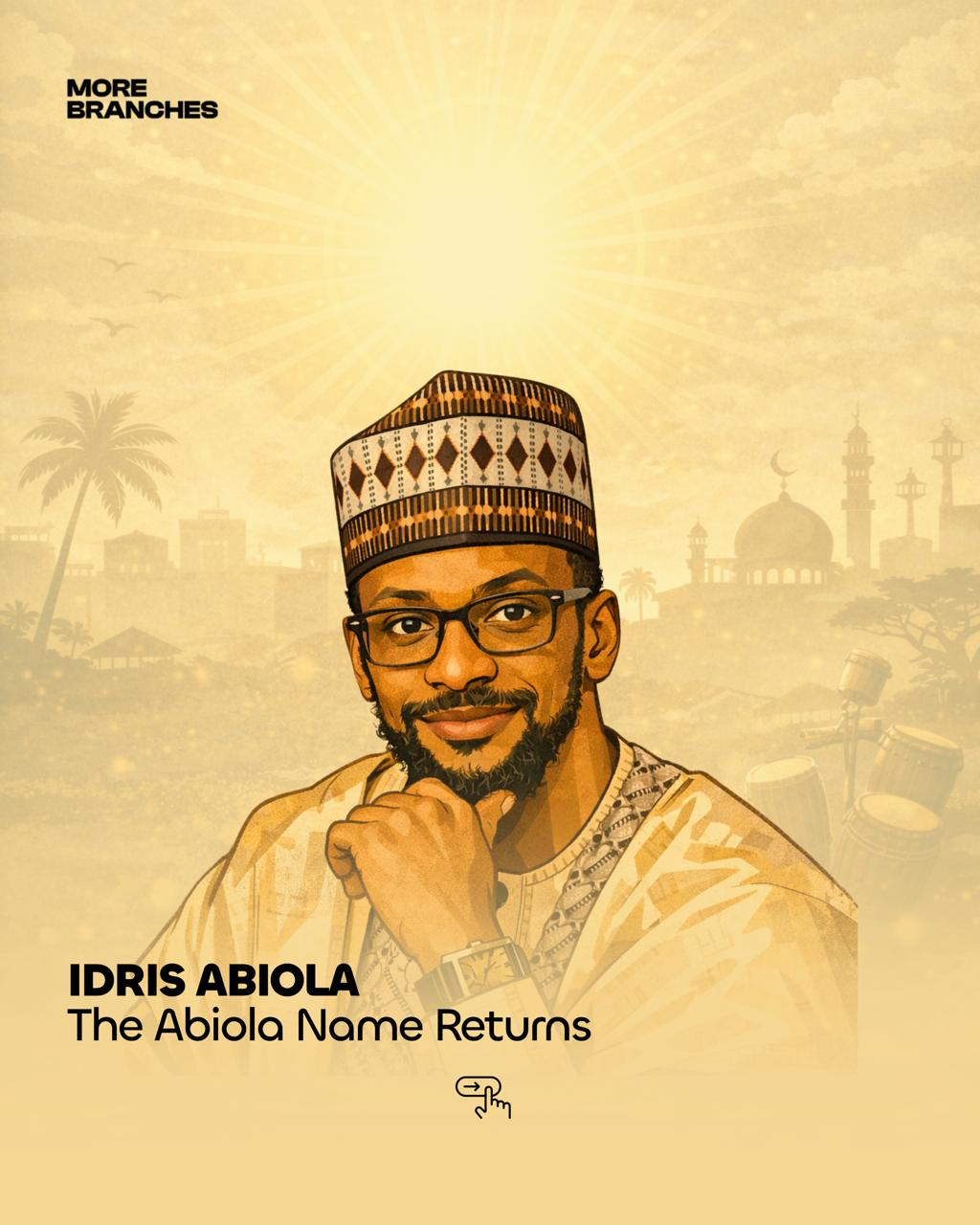
The most emotionally freighted candidacy of the cycle may belong to Idris Abiola, who is preparing a run for the House of Representatives in Ogun State. His father, Moshood Kashimawo Olawale Abiola, won a presidential election in 1993 that was promptly annulled by the military, and then died in detention. The name carries weight unlike any other in the Southwest: a weight that is simultaneously a political asset and an existential challenge.
Idris is not running on grievance. He is running on nostalgia, on legacy, on the suggestion that what was taken from his father can be partly reclaimed through the ballot. Whether voters respond to that story in 2027 will be one of the more compelling tests of how Nigerians relate to their own history.
Marilyn Okowa-Daramola & Erhriatake Ibori-Suenu
Two Delta Daughters
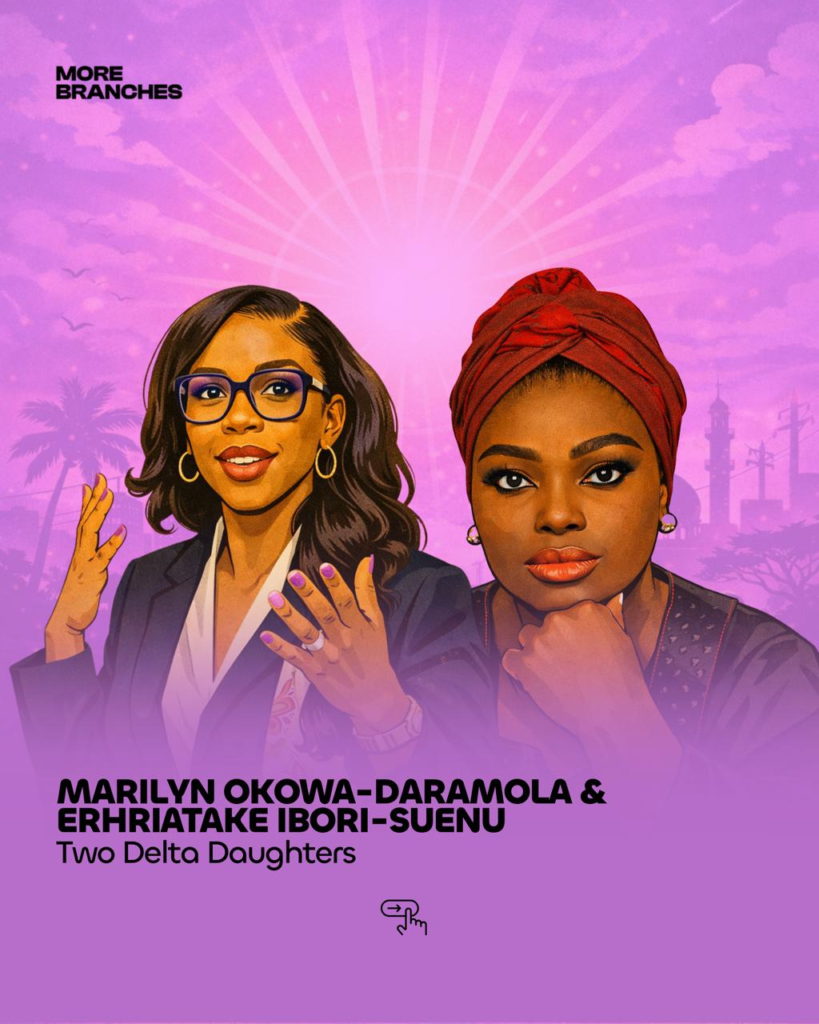
The Niger Delta sends two women to this list, and their family names read like a map of Delta State’s political history. Marilyn Okowa-Daramola, daughter of former governor and 2023 PDP vice-presidential candidate Ifeanyi Okowa, already holds a seat in the Delta State House of Assembly. The question for 2027 is not whether she runs, but where: a promotion to the National Assembly appears to be the trajectory, backed by her father’s machinery in the Ika North-East corridor.
Erhriatake Ibori-Suenu occupies even more storied ground. Her father, James Ibori, built a political empire in Delta that survived his criminal conviction in a London court, his imprisonment, and his return to Nigeria. That the empire endures, and that Ibori-Suenu is being positioned for either a return to the National Assembly or a run at a higher state office, says something about how lightly some scandals sit on the shoulders of the powerful in Nigerian politics.
Lloyd Ike Ekweremadu
The Ekweremadu Mission
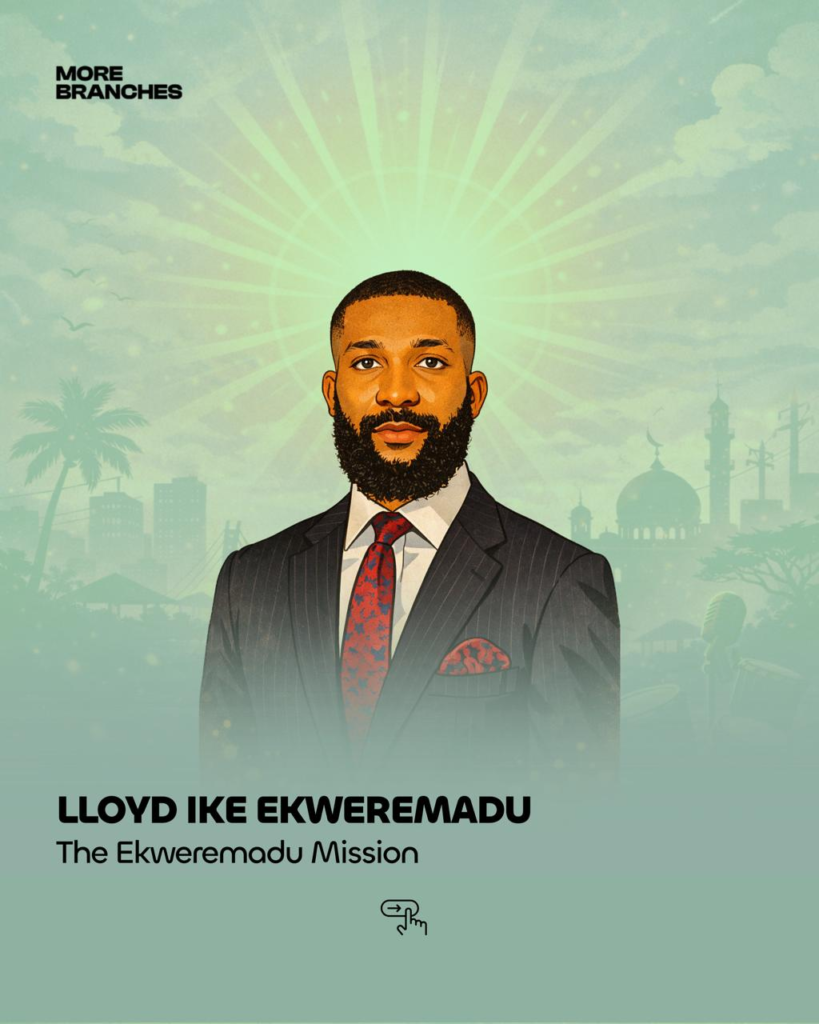
Lloyd Ike Ekweremadu, a Commissioner in Enugu State and the son of former Deputy Senate President Ike Ekweremadu, approaches 2027 differently from the rest. His run, when it comes, will be framed as restoration—a deliberate effort to “restore” the family name after his father’s conviction in the United Kingdom on kidney trafficking charges. The political calculus is unusual: in most democracies, a parent’s conviction would end a family’s public career. In Nigeria, the calculation is more complicated.
Abba Atiku Abubakar
The Defectors: Like Father, Like Son
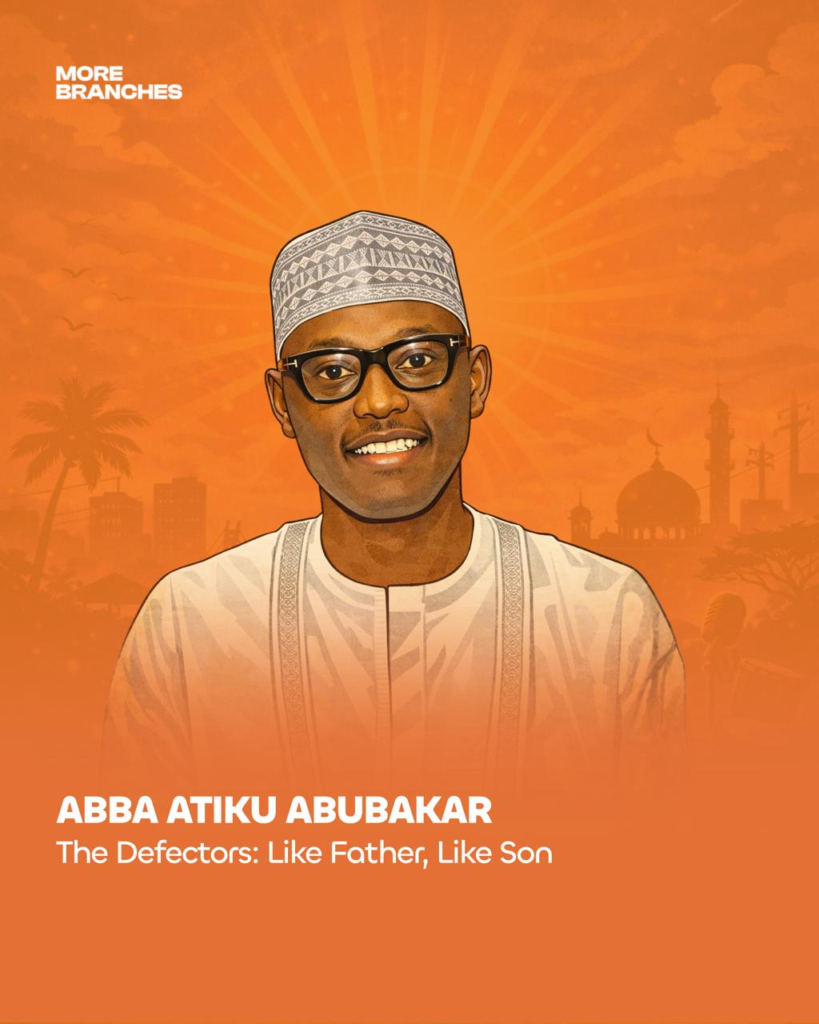
The most tactically surprising move comes from Abba Atiku Abubakar, son of former Vice President and perennial presidential candidate Atiku Abubakar. In a shift that scrambled family optics, Abba defected to the APC and aligned himself with President Tinubu’s re-election project, directly breaking from his father, who has spent years positioning himself as the APC’s principal opposition. What Abba gains from this is access and proximity to the current centers of federal power. What it costs the Atiku brand in the long run is a question that 2027 will begin to answer.
Seyi Tinubu
The Lagos Succession Question
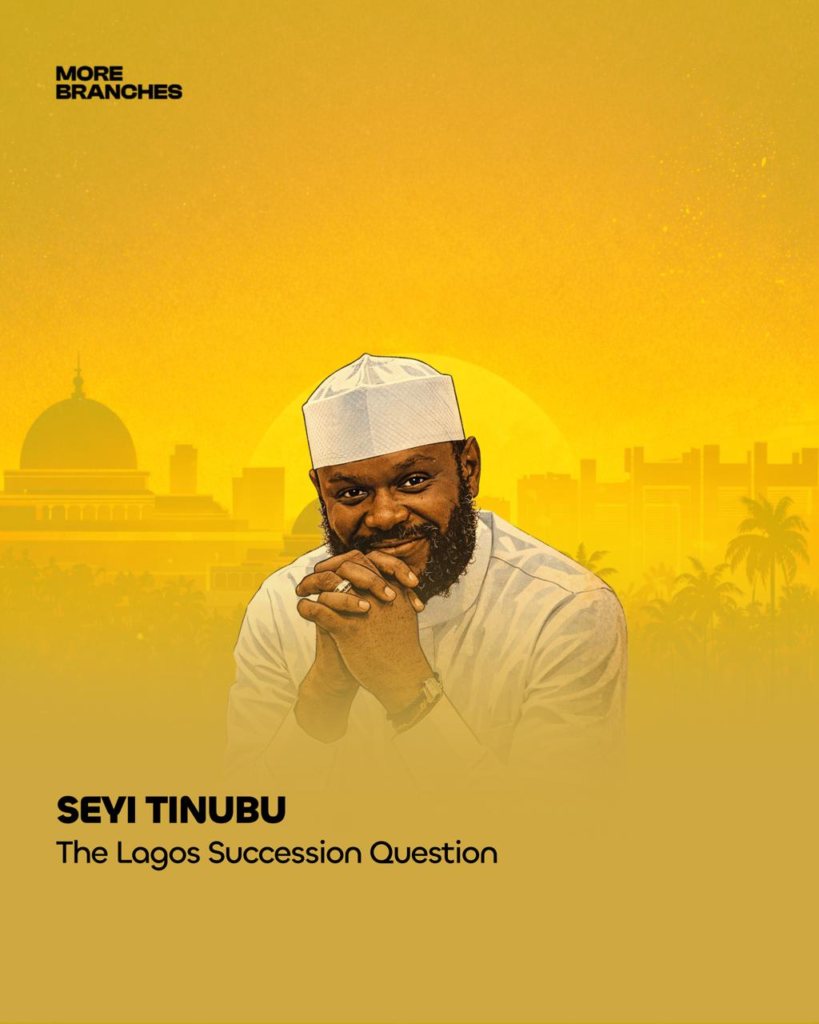
No name on this list carries the same speculative weight as Seyi Tinubu, the president’s son. No formal declaration has been made. But his increasing visibility in Lagos state affairs, his presence at community events, his role as something like an unofficial “Youth Liaison” for the administration, has generated the kind of sustained political chatter that tends to precede a campaign.
Lagos is the Tinubu family’s base of bases, the machinery that built the President’s national career. If Seyi runs for Governor in 2027, it would be the most unambiguous test yet of whether Nigerians are willing to vote for the son of the man in Aso Rock to run the country’s commercial capital. That test, if it comes, would also be something larger: a referendum on the very premise of dynastic democracy.