
In Nigerian music, the story is no longer told by sound alone. It is constructed in real time by platforms that track, interpret, and give it language. As Afrobeats expands globally and the local ecosystem grows more complex, a new kind of power has emerged, one held by publications that sit between the music and its audience. They do more than report. They validate success, frame narratives, and, increasingly, define what matters.
Five platforms in particular illustrate how this media layer is evolving.
TurnTable Charts
When TurnTable Charts launched in 2020, it did something deceptively simple. It counted. In an industry long driven by perception, it introduced a system that measures performance across streaming, radio, and television, aligning Nigeria more closely with global chart standards. Its Top 100 quickly became a reference point, not just for fans but for labels, managers, and artists seeking clarity in a crowded market.
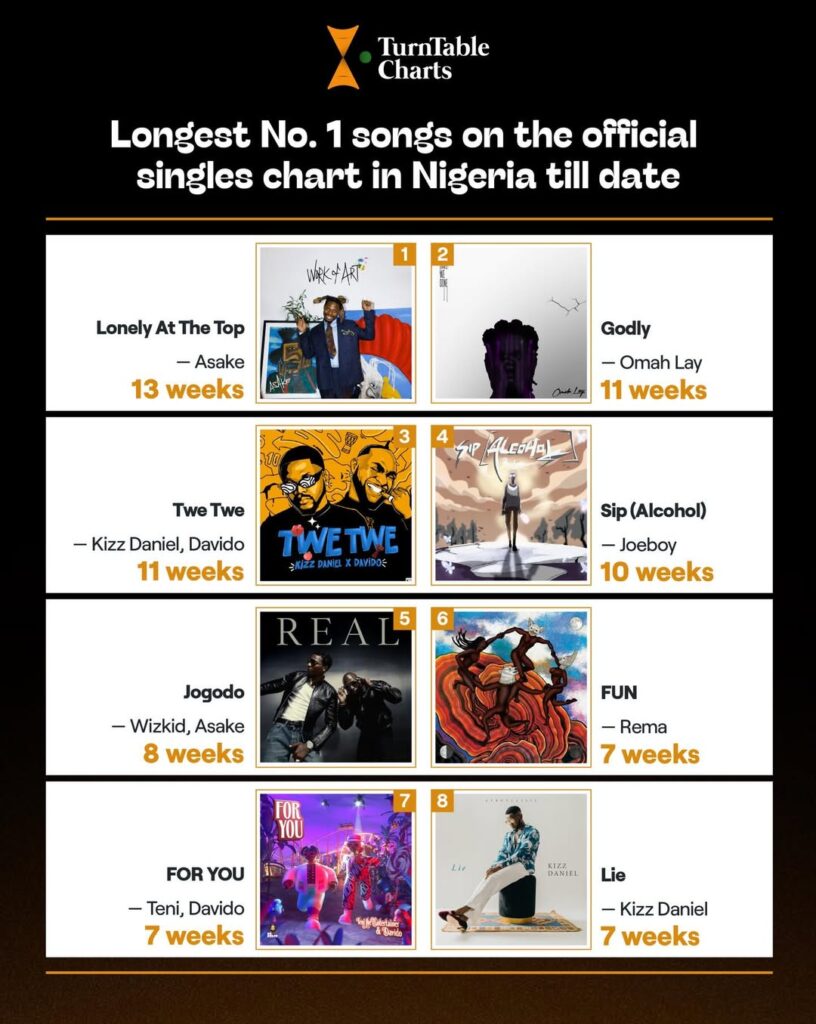
But its real contribution lies in what it makes possible over time. By standardizing data and publishing it consistently, TurnTable is building an archive, one that documents the evolution of Nigerian music with precision. Success is no longer anecdotal; it is recorded, ranked, and revisited. In doing so, the platform has shifted the conversation from who feels big to who is demonstrably impactful.
49th Street
If TurnTable is about measurement, 49th Street is about meaning. Positioned as a professional publication at the intersection of music and culture, it approaches Nigerian music with a level of editorial care that resists the speed of the internet. Its work is less concerned with immediacy and more with interpretation, situating artists within broader cultural, aesthetic, and social contexts.
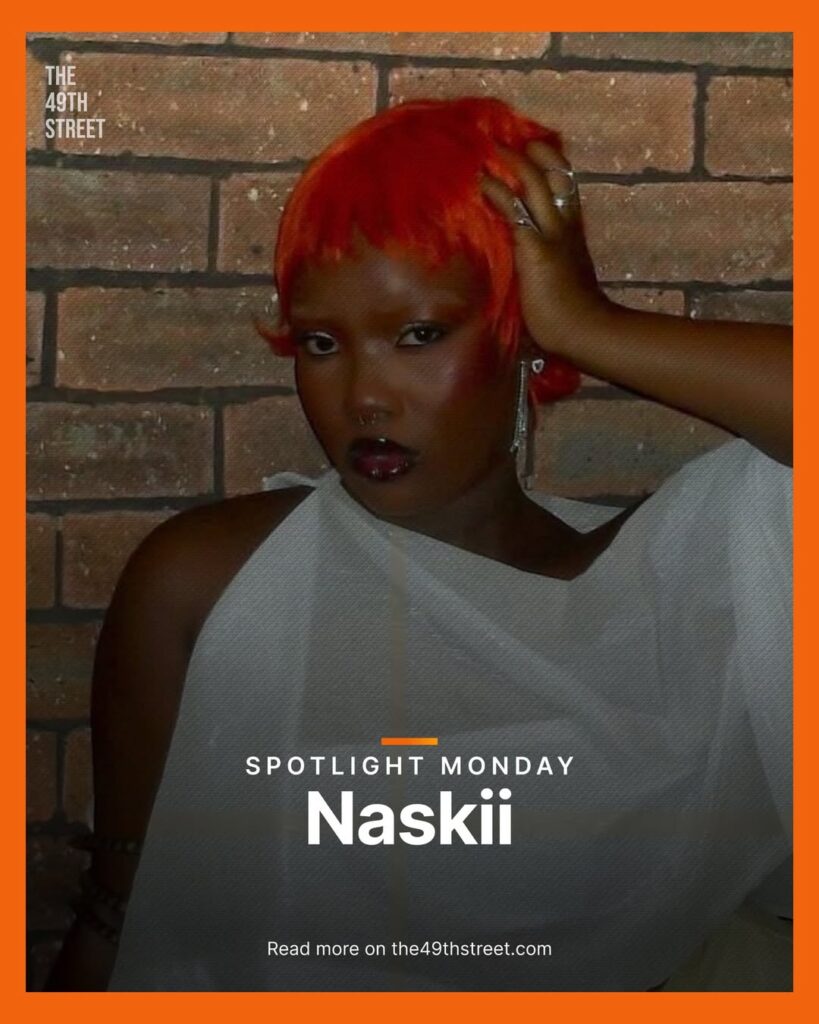
Profiles read with intention, essays unfold with clarity, and emerging acts are given the same critical attention as established names. This consistency has allowed 49th Street to carve out a distinct voice, one that values documentation as much as discovery. In a landscape saturated with updates, it offers something rarer: perspective. The result is a body of work that feels less like content and more like a record.
Pulse Nigeria
Where 49th Street slows things down, Pulse Nigeria accelerates them. As one of the country’s largest digital media platforms, it operates at the speed of conversation, translating moments into headlines and headlines into trends. Its reach is expansive, and its output constant, making it a central node in how music news travels.

Pulse thrives on immediacy, but its influence goes beyond speed. Consistently spotlighting certain stories, artists, and angles helps shape public attention at scale. It is where narratives gain traction, where casual listeners encounter industry developments, and where momentum often becomes visible. In that sense, Pulse does not just reflect the culture; it amplifies and, at times, directs it.
NotJustOk
Before streaming platforms and algorithmic discovery, there was NotJustOk. Emerging in the late 2000s, it became a crucial online distribution hub for Nigerian music, offering artists a direct line to audiences at a time when infrastructure was limited. Its influence in that formative period cannot be overstated.

What distinguishes NotJustOk today is the weight of that history. It has evolved into a broader platform, incorporating editorial content and curated rankings, but it still carries the authority of having been there early. Many of the industry’s defining moments passed through it first. As the ecosystem has professionalized, NotJustOk remains a reminder of the digital groundwork that made the current boom possible.
Volume9ine
At the edges of the mainstream, platforms like Volume9ine are redefining how discovery happens. Smaller in scale but sharper in focus, it reflects a shift toward curation over aggregation. Its attention is directed at emerging artists, alternative sounds, and the micro-scenes that often escape larger platforms.

This positioning gives it a different kind of relevance. It is less concerned with documenting dominance and more interested in identifying movement. In a fragmented musical landscape, where audiences are increasingly segmented, that role becomes critical. Volume9ine captures the early signals, the subtle shifts that later shape the center. It is, in many ways, a publication built for what comes next.
Taken together, these platforms map the contours of Nigerian music media today. Data brings structure, editorial brings depth, scale brings visibility, legacy brings context, and curation brings foresight. None operates in isolation. Instead, they form an ecosystem, one that not only reflects the industry’s growth but actively participates in it.