
Fresh off dropping her sophomore album A*POP, Grammy-winning South African star Tyla announced her global headline tour. Among the 34-city schedule sits a December 22 date in Lagos. Instead of excitement, the news immediately hit a wall of online rage.
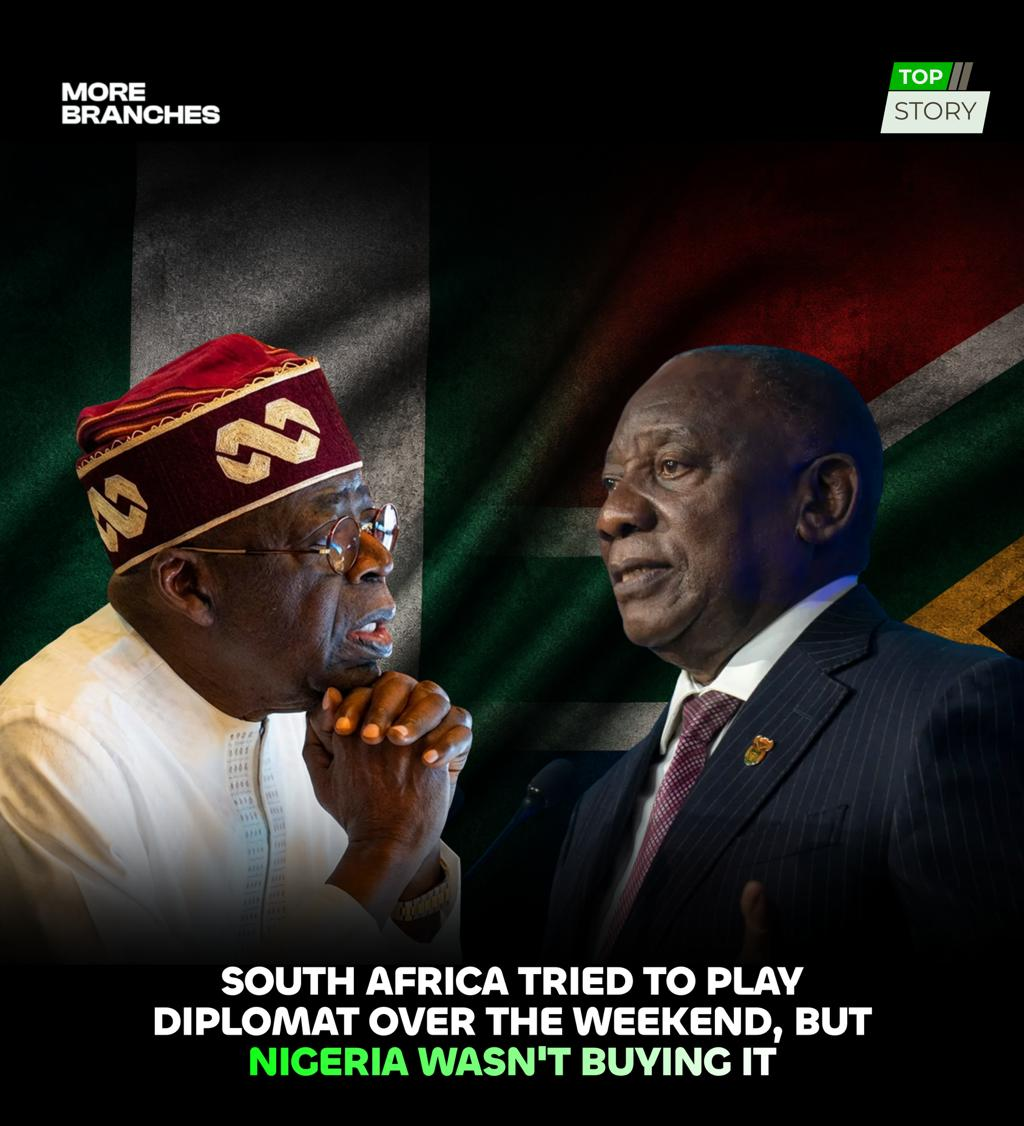
This is about the timing. Her tour announcement dropped in the middle of fresh diplomatic strain between Abuja and Pretoria, following recurring violence against foreign nationals and reports of police brutality targeting Nigerians in South Africa.
Critics argue that while SA pop stars profit off Nigerian audiences, they remain noticeably silent on the human rights violations happening back home.
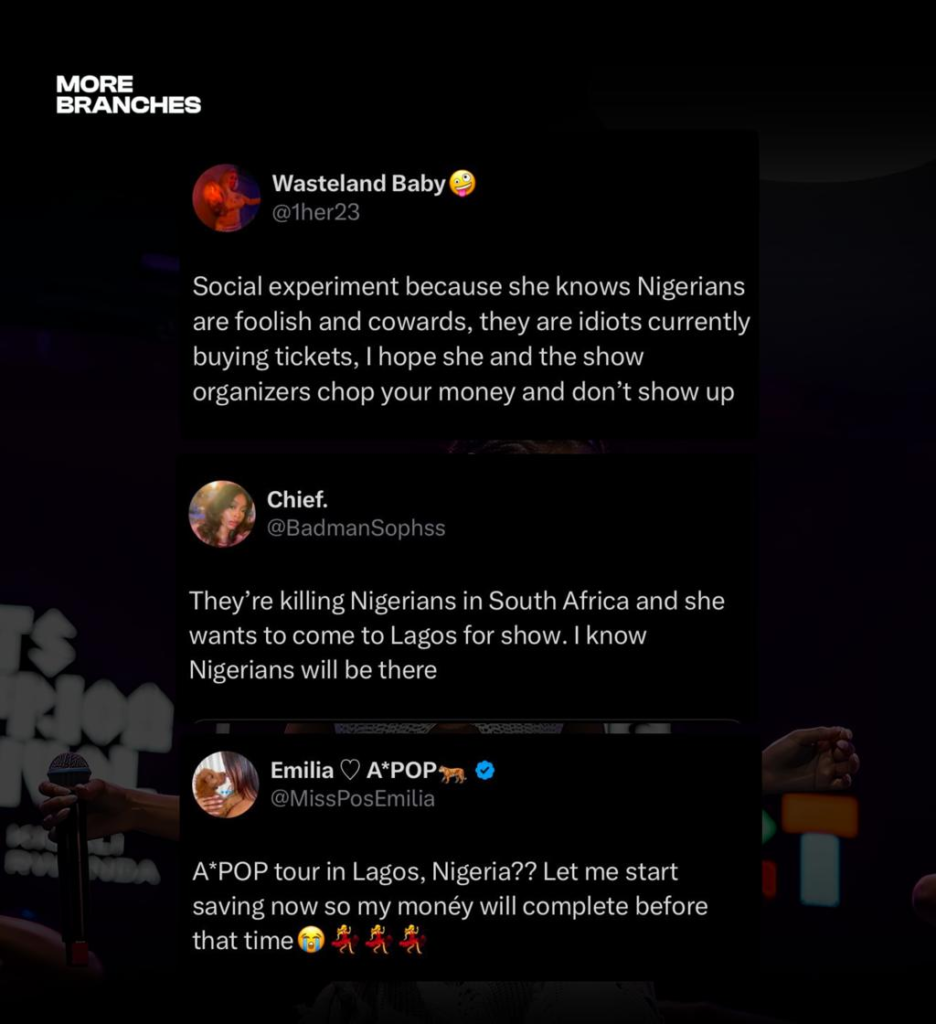
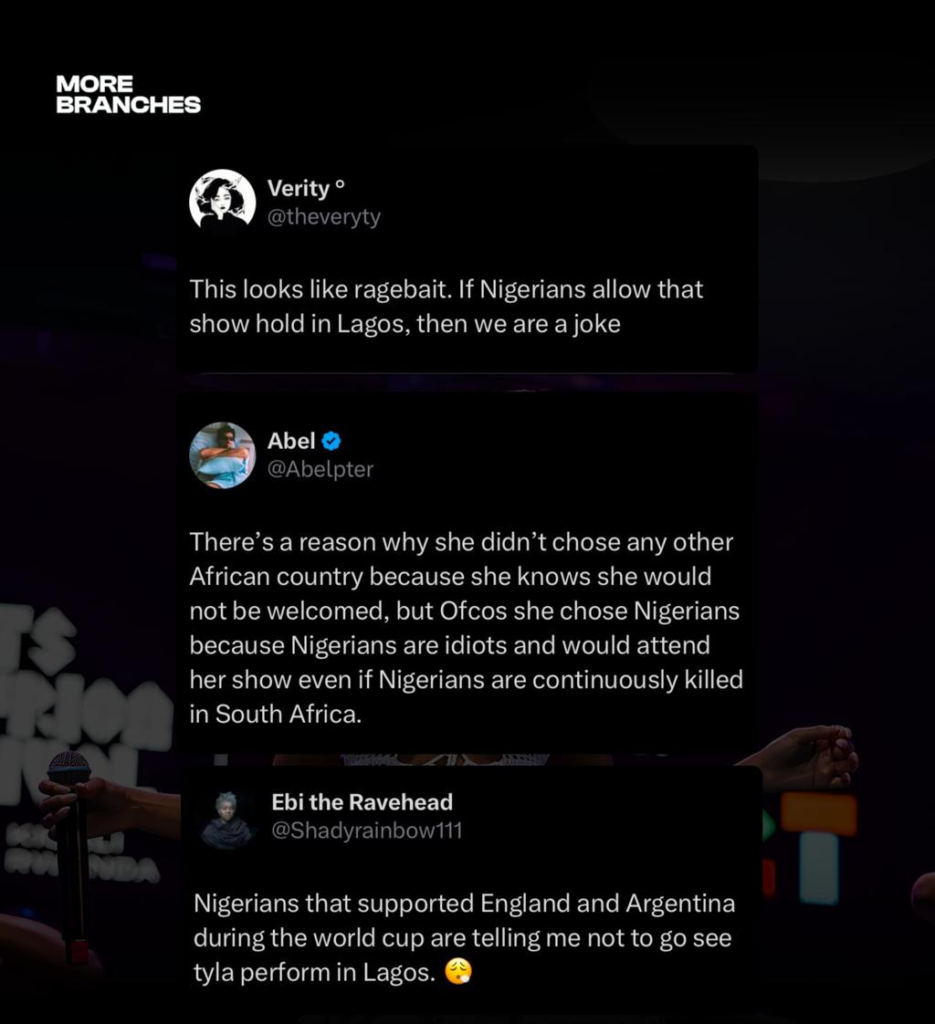
This also sits on top of a long history of institutional bias against Nigerian artists.
In early 2024, Nigerian superstar Ayra Starr had to cancel her Johannesburg and Cape Town tour dates because South Africa denied visas to her and her team.
From routine visa rejections to border hassles, West African creatives face extreme friction trying to enter South Africa, while SA artists move seamlessly into the Nigerian market.
Calling out cultural double standards isn’t unique to Nigeria. Just recently, South African legendary duo Mafikizolo were dropped from a major show in Zimbabwe following threats of a fan and musician boycott over regional xenophobia. African audiences are increasingly refusing to separate pop culture from political reality.
So, where do we draw the line? Should Nigerians vote with their wallets and enforce a cultural blackout until South Africa protects African migrants, or should art remain a sacred space above politics?
Will you be buying a ticket on December 22, or is it a hard pass?