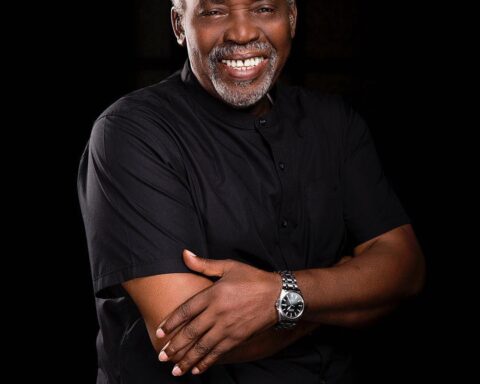
There is a certain magic in the way Ugochukwu Emebiriodo sees the world. Long before he started capturing the world through his lens, the young curator had a way with words. Drawn to the art of storytelling, words were his first medium – crafting stories and poetry as he gave life to the people and places around him. Over time, his passion for storytelling evolved into photography, and in that shift, Ugochukwu discovered a new way to tell the same stories.
Ugochukwu Emebiriodo, popularly known with his alias, Hitch of life is a young photographer and curator from Lagos. With a drive to capture the raw essence of life, Emebiriodo emerges as a breath of fresh air. From the chaotic and bustling energy of street life to the sound of honking horns blended with the laughter of street vendors, is where his artistry thrives.
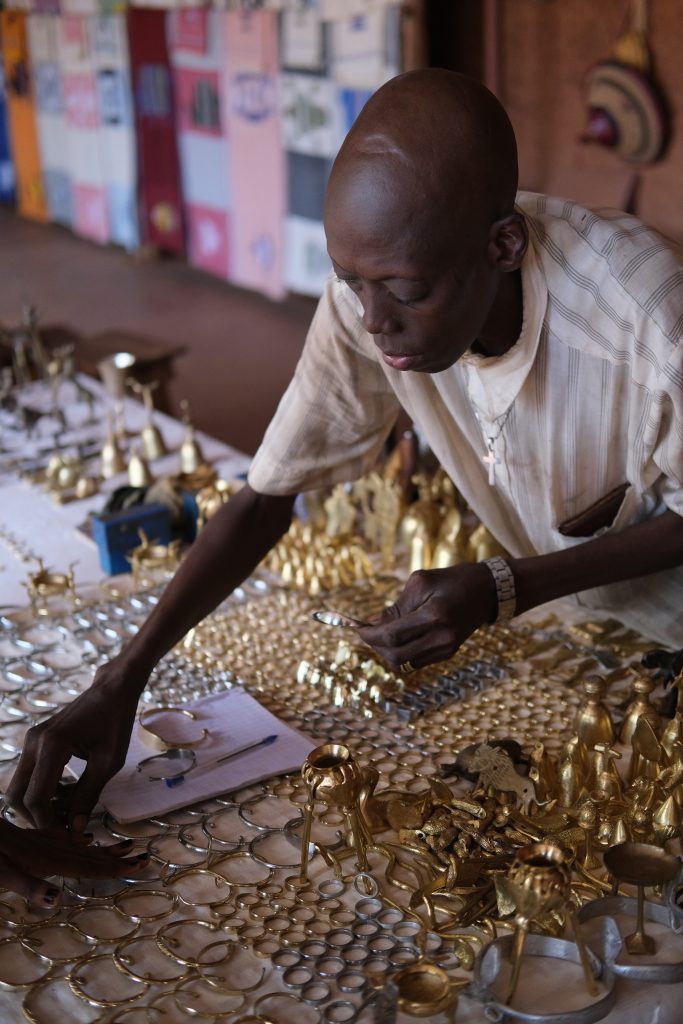
What truly sets his work apart is his ability to not only capture the fast-paced modern hustle but also the deep-rooted traditional life that gives heart to these cities. Through his photographs, he pulls us into his world where every face tells a story and every moment shines with emotions. His work is alive as he captures the hustle and quiet joys that often go unnoticed by most. His passion for storytelling is impeccable as he documents the soul of a continent–filled with beauty, resilience and joy.
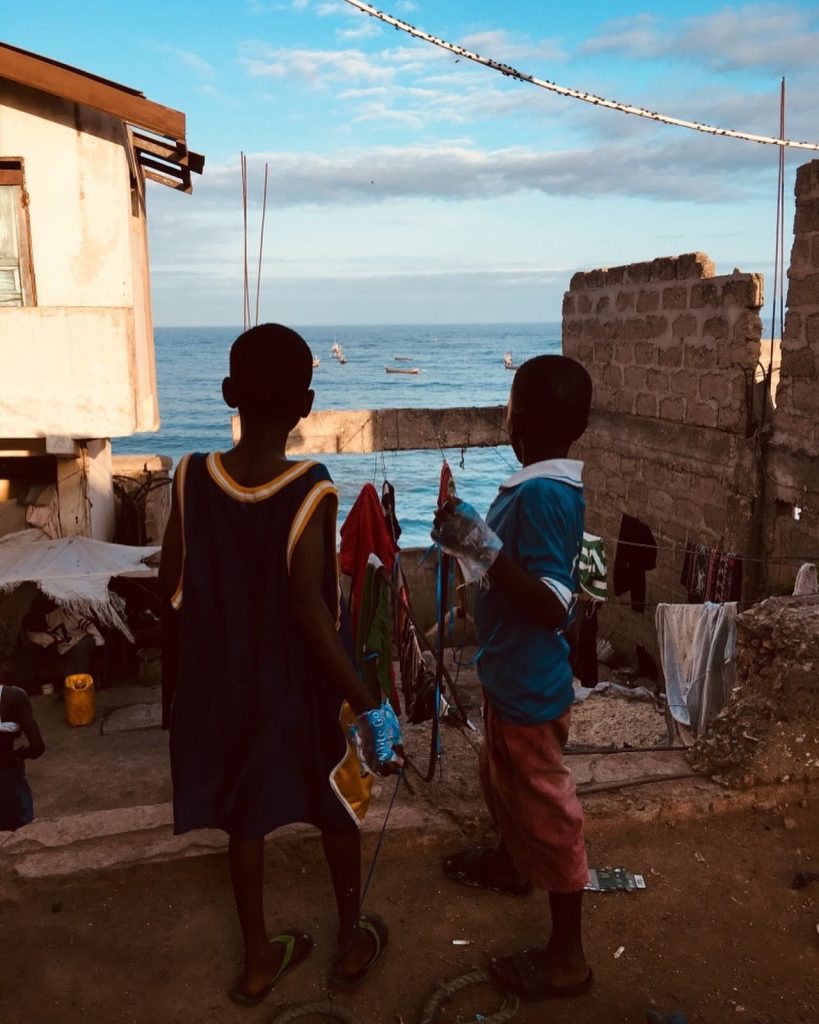
I had the pleasure of sitting down with Ugochukwu Emebiriodo as we explored his journey, inspirations and the stories behind his powerful captures.
Can you tell me a bit about yourself?
My name is Ugochukwu Emebiriodo. I am a photographer and curator from Lagos, Nigeria. I started photography in 2016 post-university. I originally started writing off short stories and poetry. When I was about to leave university, I was thinking how to make money creatively. It was not as if I could not make money through writing but I wanted the impact to be more direct. Instead of describing a scene, I could already see how the scenes would play out in my head.
Do you still write?
To be honest, I still write but only in my notes. I do not write as I used to before.
I have to rewind and ask this. Is there a reason why you call yourself “Hitch of Life”?
I got that nickname from secondary school. Hitch is from the Will Smith film where he was a love doctor and did not have a love life. Ironically, I used to write love poetry for people and I was single. People would call me Hitch and it kind of stuck. When I reopened my instagram, everyone had tags to their names. I just added Hitch of life to it.
Could you describe your photographic style?
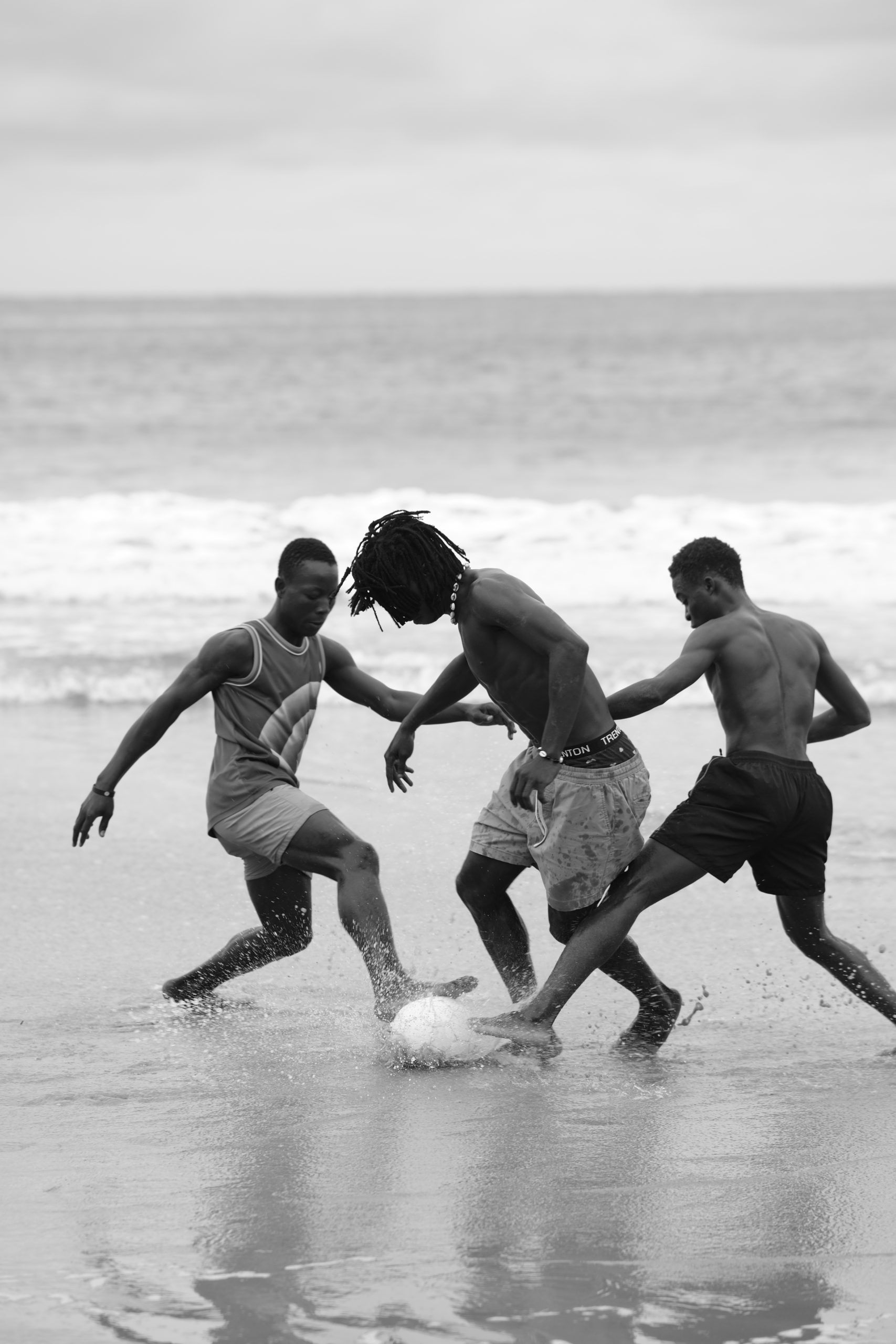
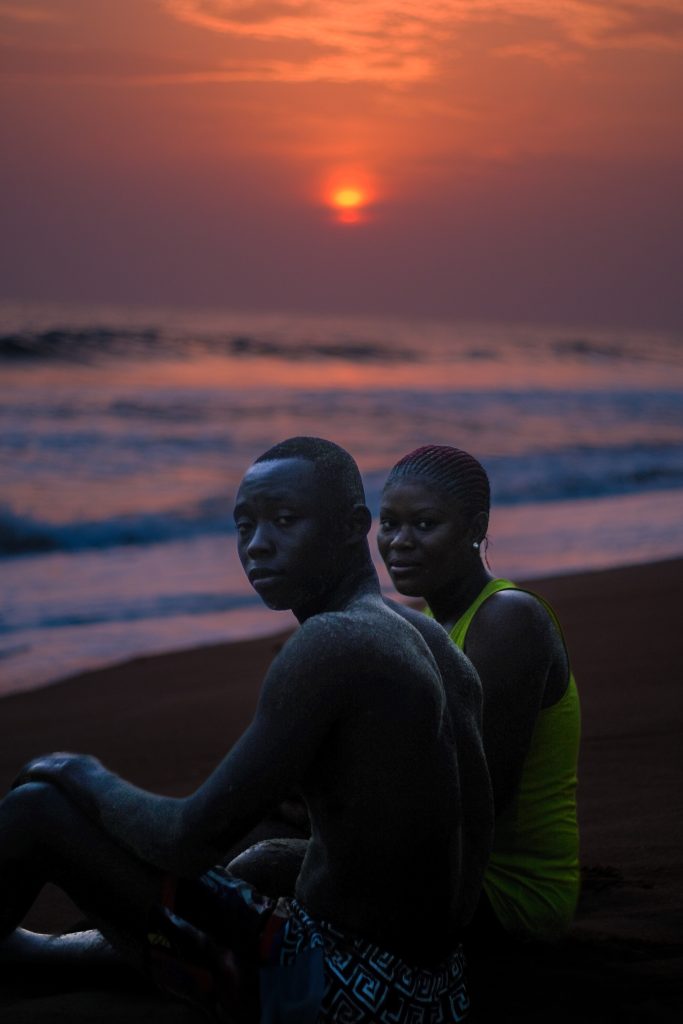
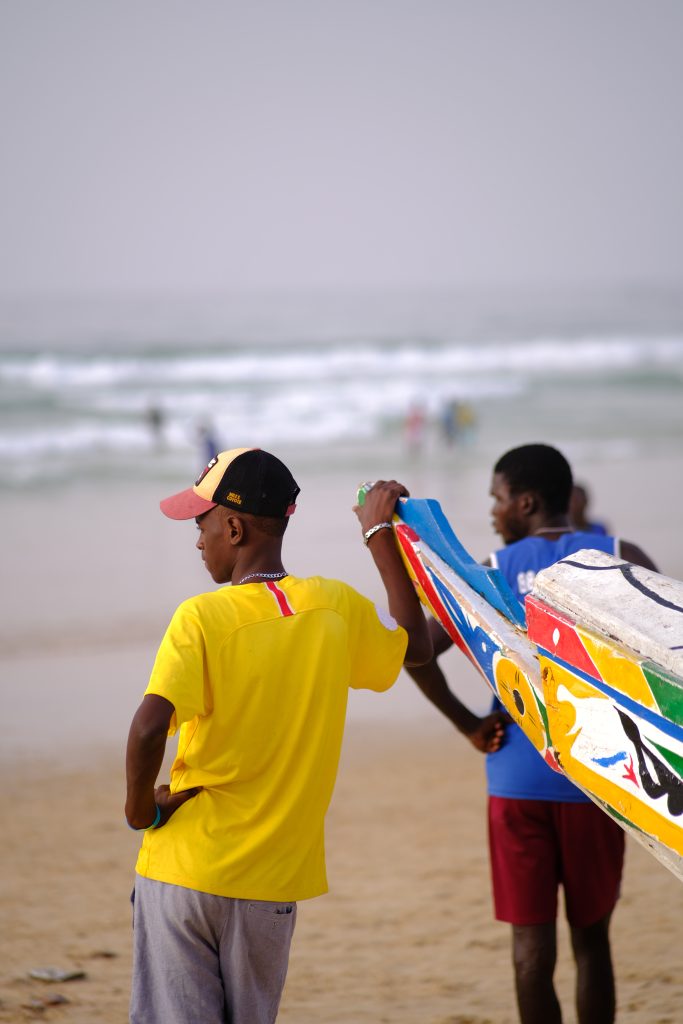
I think of myself as an observer.I enjoy watching people. I am very big on moments. I shoot everything from funerals, weddings, concerts to documentaries. One thing that stands out is that I want to portray people in the best light possible. I do not aim to photograph people as a way of insult. I do not wish to portray my people along the same stereotypical lines that they have been portrayed for the longest time. My biggest motivator is black joy; just us living in our authentic forms. It’s the intersection between turning something ordinary into a spectacular moment. That’s the driving force for what I do. I think of myself as a window to the places I go, the things I see. I think of my perception as important and valuable. I do not think of myself as a final destination for these images but rather archival ones and proper documentation without bias.
Can you take me through your creative process?
Personally, I like to think of myself as a fly on the wall. I walk through the rooms unnoticed for people to be in their true form. I take my time to observe even if it’s a long period of time. I dream of images. I feel like I have done this over time where it’s like fish to water. I don’t consciously think of them, it’s just something I do. I go out with the mindset that the world will entertain me.
How would you describe your work?
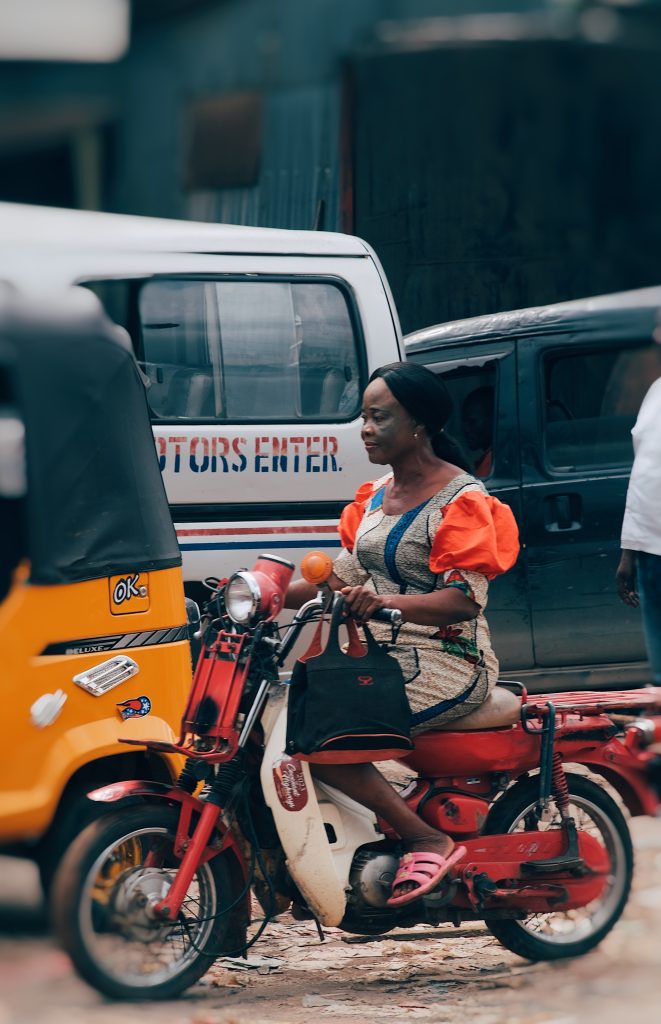
No one has ever asked me this. My work seeks to capture feelings even if it’s inanimate objects, you look at it and feel something. The feeling is the literature background. That goes into every component of that frame. Everytime I take a picture, I wonder if this image will make someone stop to think of it. That’s my aim with all my pictures.
What are some of your memorable experiences so far?
There are plenty. Recently , I went to Ivory Coast during AFCON. Being in Ivory Coast was surreal, everything that led to that moment of me being there was primarily funded and pioneered by photography. It felt like a circle moment. It was special because of the spontaneity of that trip and the fleeting moments. We drove from Lagos to that place. I have also had photography take me to Kampala, Dakar. Nairobi, Lomé, Accra and many more.
I find poetry to be somewhat elitist, the words have to have layers and layers have to have meaning. Not everyone can connect to that. When I used to write, I would write in pidgin for people to connect with it. I applied that to my photography. I primarily shoot real life without any form of interruption so everyone can connect with the frame they encounter.
Are there any photographers/creatives you feel influenced by?
I think I passively mentioned it. My photography is influenced by my writing or writings of others. I love Chimmanda’s works. For example, how she would describe a place like Nsukka. I love how vivid the words are. I would read through her book and hope to encounter moments like her writings. Another one would be like Lola Shoneyin. In her book, the secret lives of Baba Segi’s wives, it opens up with her describing the neighborhood where men go to cheat on their wives. It felt raw. Typical for Nigerians, we like to use euphemism to describe things but Lola was raw with her words. I thought of it as how a Yoruba mother would talk. We think of ourselves as conservative people but speaking in our local languages, there is an uncensorship that exists. They make it seem like an embellishment.
Going through your work, I noticed themes such as religion, bad governance are present. Do you think there is fear at times in capturing such moments?
It would be corny to say I have no fear. When I go to these spaces, I think of it as a symbiotic relationship where we have to support each other. You have to allow me to take these pictures because they are important for me and for you as well. It’s memory and documentation. I talk to people and seek consent. Fear towards my subjects and photography is a no.
Is there anything you want to share which you are working on as I know you are currently in Anambra state?
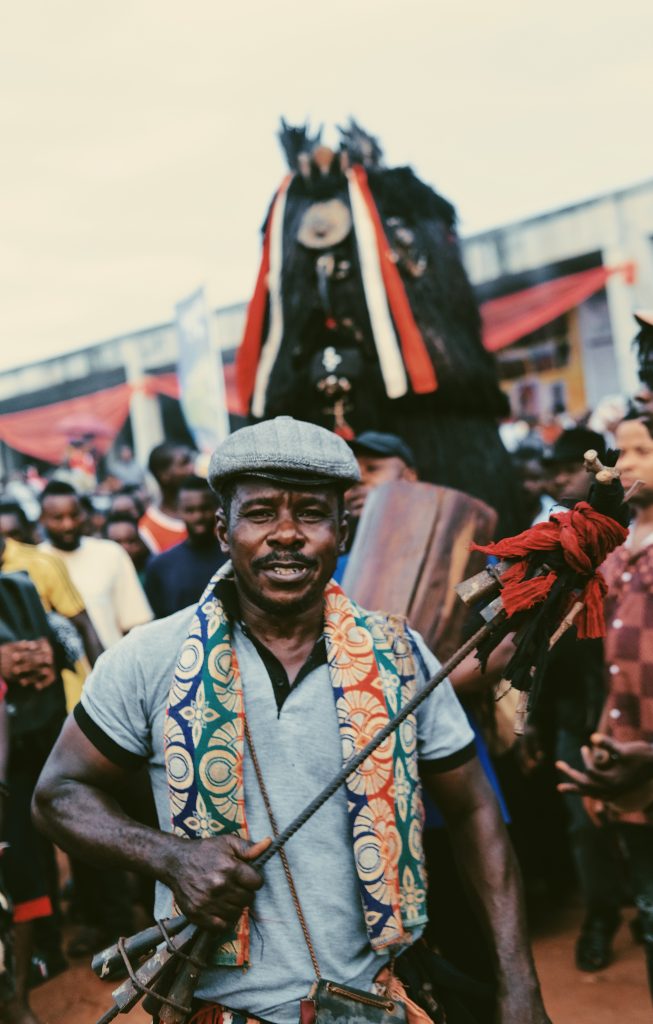
A lot of people mistake me for a Yoruba person. But I am very Igbo. One of the downs to being raised in Lagos is that I do not get to interact with my culture as much as I would like to. I photograph more Yoruba contents. My trip to Anambra is a real reawakening of myself in understanding myself and what shapes me. This is me getting a grasp of myself. I feel at home here. I am used to Yoruba being the texture of the background but it’s a nice shift to now hearing Igbo even from the bus conductors. That’s the only way I can give more genuine stories by being more in touch with myself.
What do you hope viewers can take from your work?
One of the things I hope that people take away is a new perspective. My images feel simple but I hope that encourages people to do it. Because we are undocumented, I want people to feel inspired to take moments more serious and archive these moments. Like when people see moments, that reminds them of my work or how I would take it. That fulfills me and comforts me. That goes beyond everything.
What advice would you give to any aspiring photographer?
Photography is not manufactured from isolation. You have to go there and get it done. The way you asked me about fear, they exist and still exist but if you only highlight the negatives, you won’t get anything done. Get up and do something. Even if you are bad at it, once you do it a lot, people will one day take it as your art.