
Nigeria’s amended Electoral Act has sparked protests, emergency Senate meetings, and legal petitions. For many Nigerians, the anger is simple: something important changed, but nobody explained it clearly.
Here’s a straight breakdown of what the Senate actually amended, why it matters, and why civil society groups are pushing back.
1. Real-time upload of election results is no longer mandatory
Under the amended law, electronic transmission of results still exists, but real-time upload from polling units is no longer compulsory. This means INEC can now decide when results are uploaded, not the law.
Why this matters: Real-time upload was designed to stop results from being altered between polling units and collation centres. Removing the legal requirement creates a delay window—and in Nigerian elections, delays are where problems usually happen.
Breakdown of Senate decisions: https://newspeakonline.com/6-decisions-senate-took-in-2026-electoral-act-amendment/
2. INEC now has more discretion, less legal pressure
The amendment gives INEC broad powers to issue its own regulations on result transmission and election procedures, but without strict legal deadlines or penalties if things go wrong.
Why this matters: Discretion without enforcement weakens accountability. If rules are broken, the law now offers fewer consequences. Civil society groups argue that this shifts elections from law-based to guideline-based, which can change at any time.
3. The law no longer tightly links polling unit results to the electronic portal
Previously, the law strongly tied polling unit results to what appeared online. The amendment loosens that connection.
Why this matters: If what voters see at polling units does not immediately match what appears online, disputes are inevitable and trust collapses fast.
4. Senate rejected proposals to lock in transparency
Lawmakers rejected calls to make real-time electronic transmission compulsory, despite pressure from election observers and civil society groups.
Why this matters: This was one of the biggest wins of the 2022 Electoral Act. Rolling it back looks deliberate, not accidental.
Yiaga Africa has warned that these changes could weaken election credibility ahead of 2027:
https://yiaga.org/yiaga-africa-urges-timely-electoral-act-amendment-ahead-of-2027-general-elections/
5. The changes triggered legal and ethical complaints
SERAP has formally petitioned the Code of Conduct Bureau, accusing Senate leaders of possible abuse of office in how the Electoral Act amendment and tax reform laws were handled.
SERAP petition:
https://serap-nigeria.org/2026/02/08/serap-petitions-ccb-over-alleged-abuse-of-office-in-electoral-act-amendment-tax-reform-laws/
SERAP argues that changing election laws in ways that benefit politicians at the expense of voters raises serious ethical concerns.
6. Public backlash forced an emergency Senate sitting
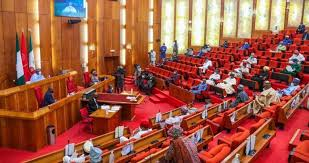
The scale of public anger forced the Senate to convene an emergency plenary, an unusual move that showed how badly the amendments were received.
Emergency sitting coverage:
https://www.nigeriainfo.fm/news/national/nigerian-senate-calls-emergency-plenary-amid-electoral-act-controversy/
Despite the meeting, the Senate did not reverse the most controversial provisions.
7. Why does this feel personal to many Nigerians?
Nigeria’s election history is filled with disputed results, delayed uploads, and court battles. The 2022 Electoral Act gave many voters hope that technology would finally protect their votes.
These amendments feel like a quiet step backwards.
For many Nigerians, this is not a legal debate. It is about whether:
- Votes will still count
- Results will still reflect what happens at polling units
- The law protects voters or politicians
Bottom line
The amended Electoral Act keeps electronic transmission but weakens the rules that made it meaningful. By removing mandatory real-time upload and tightening fewer legal screws, the Senate has traded clarity for discretion.