Nigeria’s recent elections in the Federal Capital Territory (FCT), Kano, and Rivers have offered an early glimpse into the political climate ahead of the 2027 general elections, and the signals are mixed.
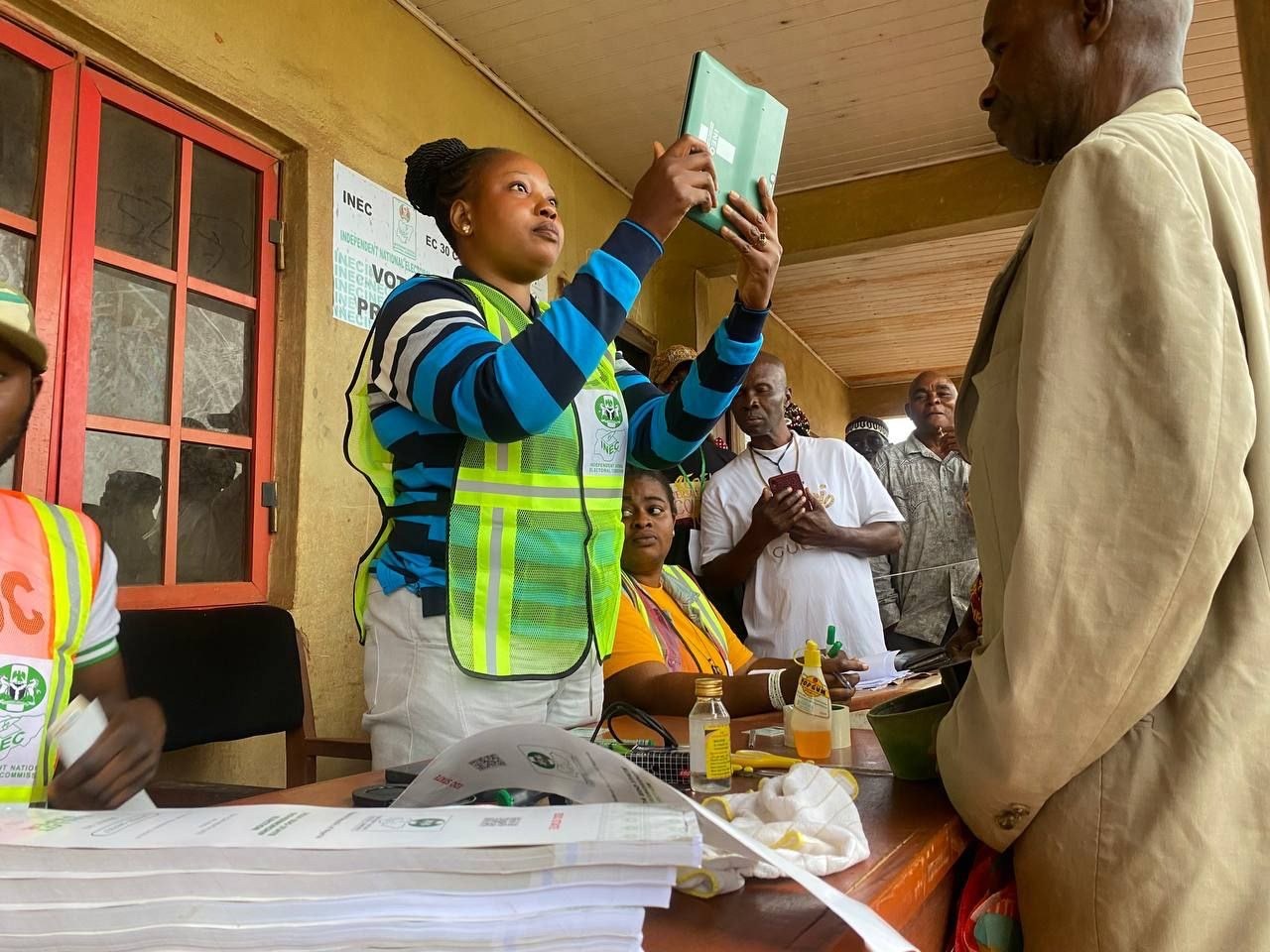
In the FCT area council elections, voter turnout stood at 16 per cent, an increase from 9.4 per cent recorded in 2022 but still strikingly low for the nation’s capital. Electoral authorities described the rise as an improvement, even as concerns about voter apathy persisted.
Observers and civic groups pointed to logistical challenges and public distrust as factors behind low participation, arguing that disillusionment with governance and repeated electoral disputes may be discouraging voters.
Electoral officials also faced scrutiny over adjustments to polling units, though authorities defended the changes as administrative and lawful.
In Kano and Rivers, the political dynamics were different but equally telling. In Rivers, the ruling party consolidated control of Assembly seats, while in Kano, opposition forces pushed back in certain contests, showing regional variations in party strength.
Analysis of the three elections suggests a broader trend of dominant party consolidation in some states, combined with fragmented opposition strength in others.
However, concerns about the administration of the polls persist. Some reports questioned the integrity of collation processes and result management under the newly amended Electoral Act, arguing that the elections served as an early stress test for the revised framework.
Stakeholders across the three states also cited voter apathy, logistical delays, and allegations of irregularities as recurring issues.
Taken together, the elections highlight certain emerging patterns: persistently low turnout, uneven opposition strength, and ongoing questions about electoral transparency.
If these trends continue, 2027 could be marked by consolidation, legal battles, and voter disengagement. Whether that spells stability or stagnation will depend on how political parties, electoral authorities, and voters respond in the months ahead.