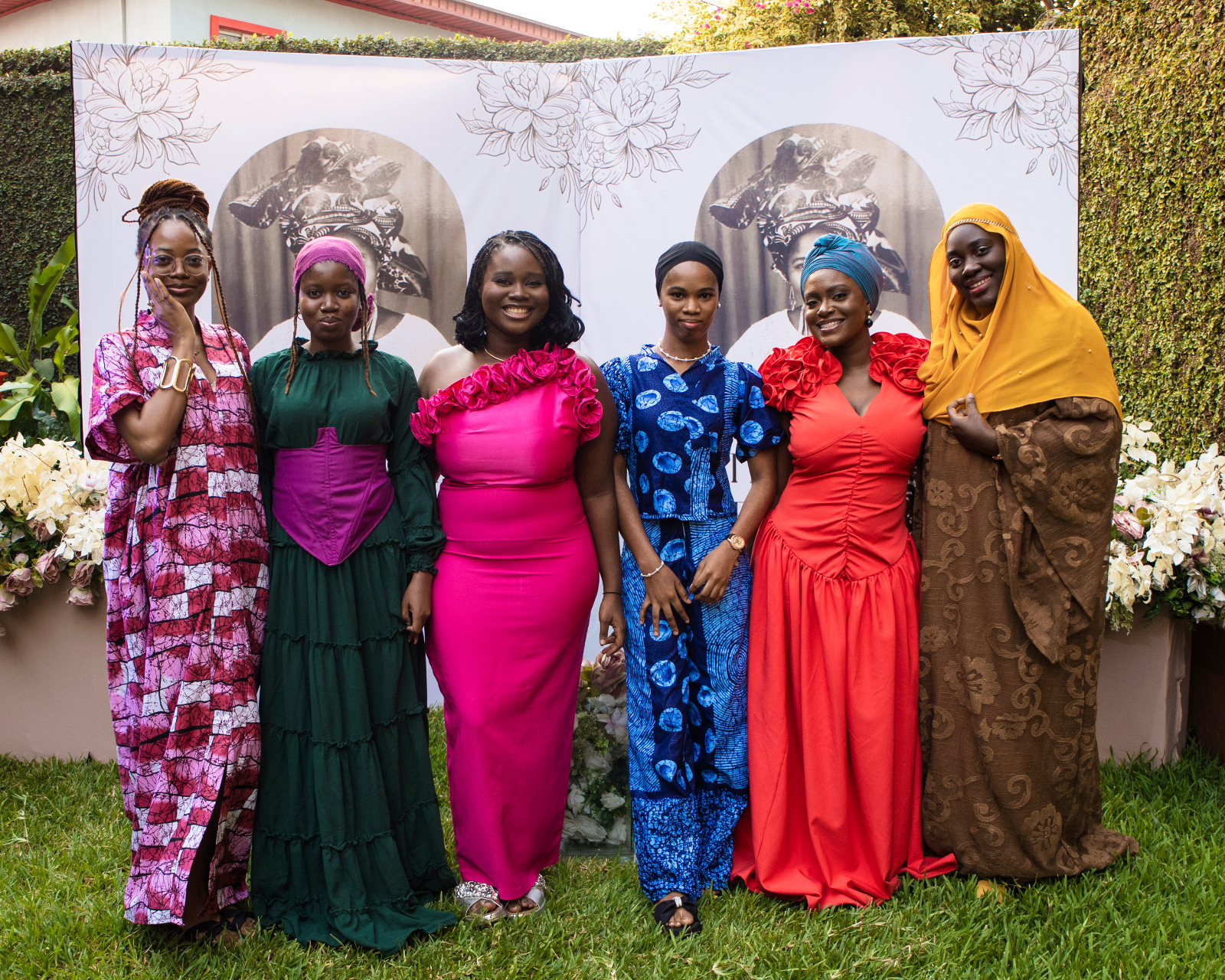
Underneath the starless sky in a little garden in Ikeja, a woman’s voice shakes into the microphone:
‘but my grandmother echoed ‘Nana, nana, nana…’; exactly eleven times, like the cooing of birds at dawn, and in that instant, she was a toddler learning her own name.’
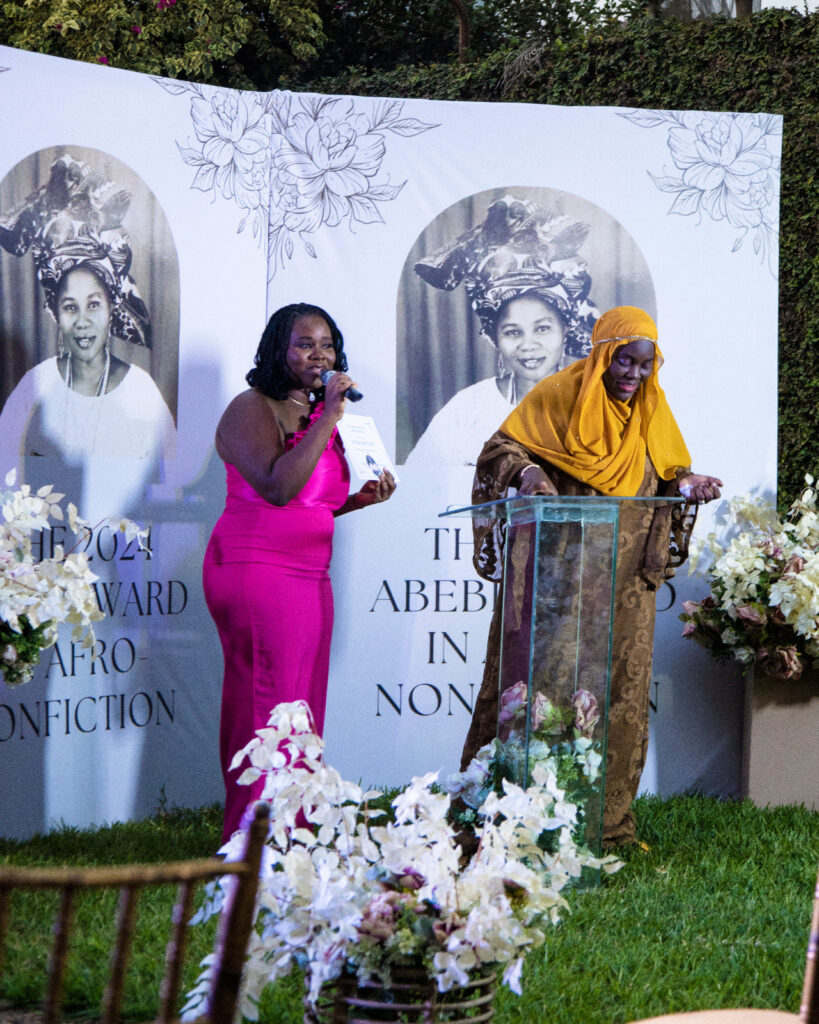
In that moment it is clear to see that words are not just words but portals into an endless world of connection and possibility. The young woman reading is Mariam Tijani, the winner of the 2024 Abebi Award in AfroNonfiction. As her voice quivers in feelings, another woman – who I will come to know is the Founder of The Award – rushes to her side, soothing her shoulders and encouraging her until her voice gains strength, becoming louder and steadier until she finishes.
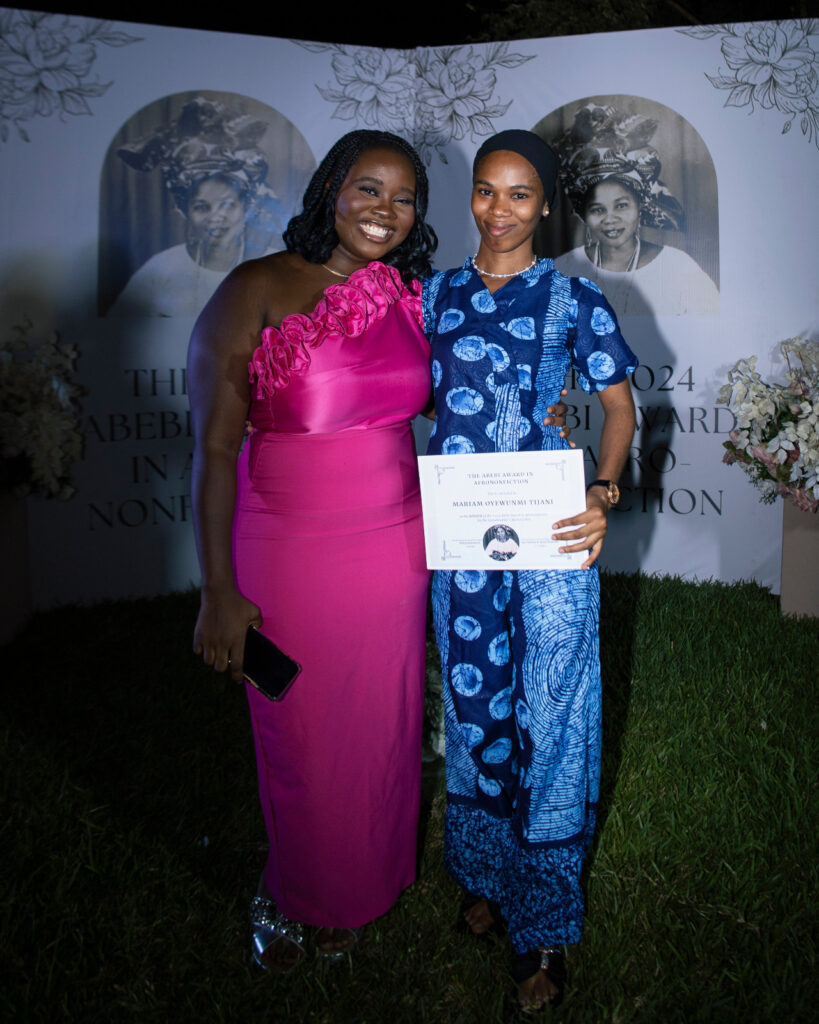
Her winning essay, My Grandmother’s Memory Box stunned the judges for the simplicity of the language, and the emotive brilliance that shone through as the writer takes us through the last days of her aging grandmother whose battle with dementia revealed the power of photographs to connect us to those we love. The entire award ceremony followed in the same tone, powerful essays derived from the true life experiences of women, shared with the world.
The Abebi Award in AfroNonfiction was established by Mofiyinfoluwa O, in 2023 to highlight, honour and celebrate Nigerian women writing creative nonfiction (i.e. stories fashioned after real life experiences). The Institute and its offerings, chief of them The Abebi Award, exist to shine a light on the revolutionary power of personal narrative as a source of healing, expression and community building for women.
Throughout the evening, accompanied by soft jazz tunes travelling through the air, we traveled round Nigeria through the words of these women. As we dive into these essays we enter into worlds of tenderness and truth, of grandmothers battling dementia with the power of photography and love, of young girls in secondary school conflating perfection with beauty and the unravelling of such erroneous conjecture in the gentle fierceness of womanhood.
We are in Ibadan, underneath ancient trees as a young woman balances the tensions of romance amidst the demands of religion and culture. We travel to Ghana and Kaduna, learning how place and class shape the entire consciousness of a childhood. We are inside a molue in Lagos, contemplating the meaning of home, and the loss, and discovery of it, again and again. The Founder remarked that’ In all of these essays, I remain moved by the authenticity of these writers and their willingness to confront the inner realities that constitute their lives.’
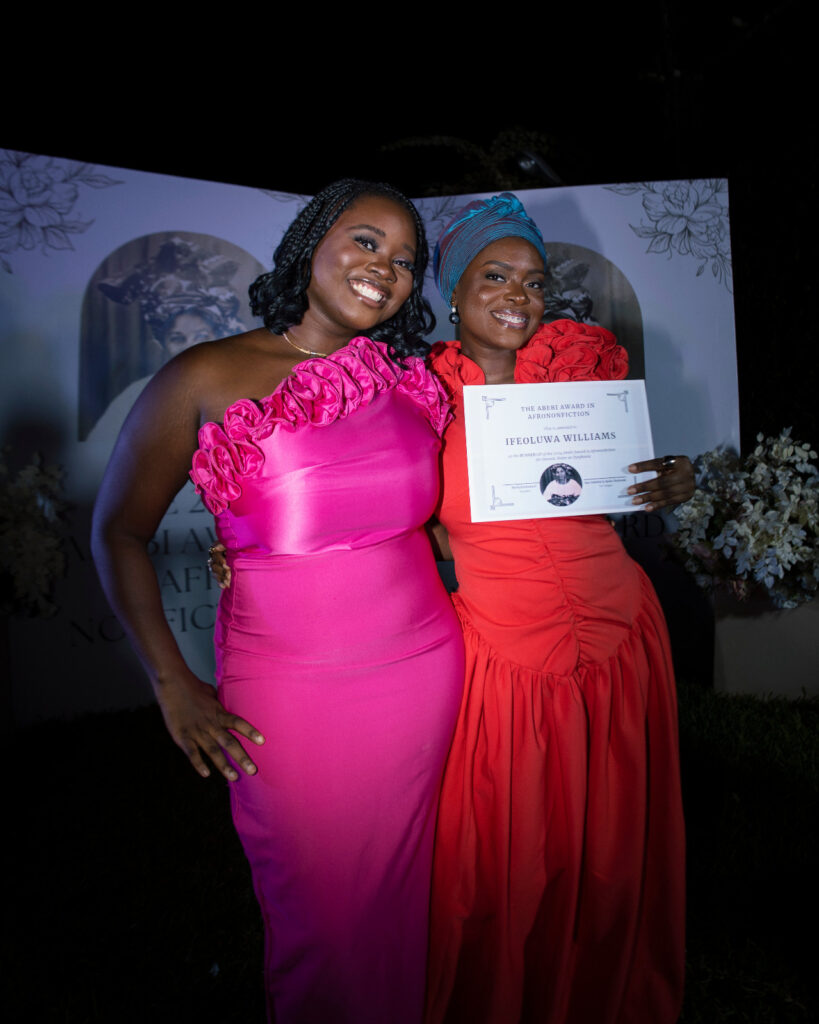
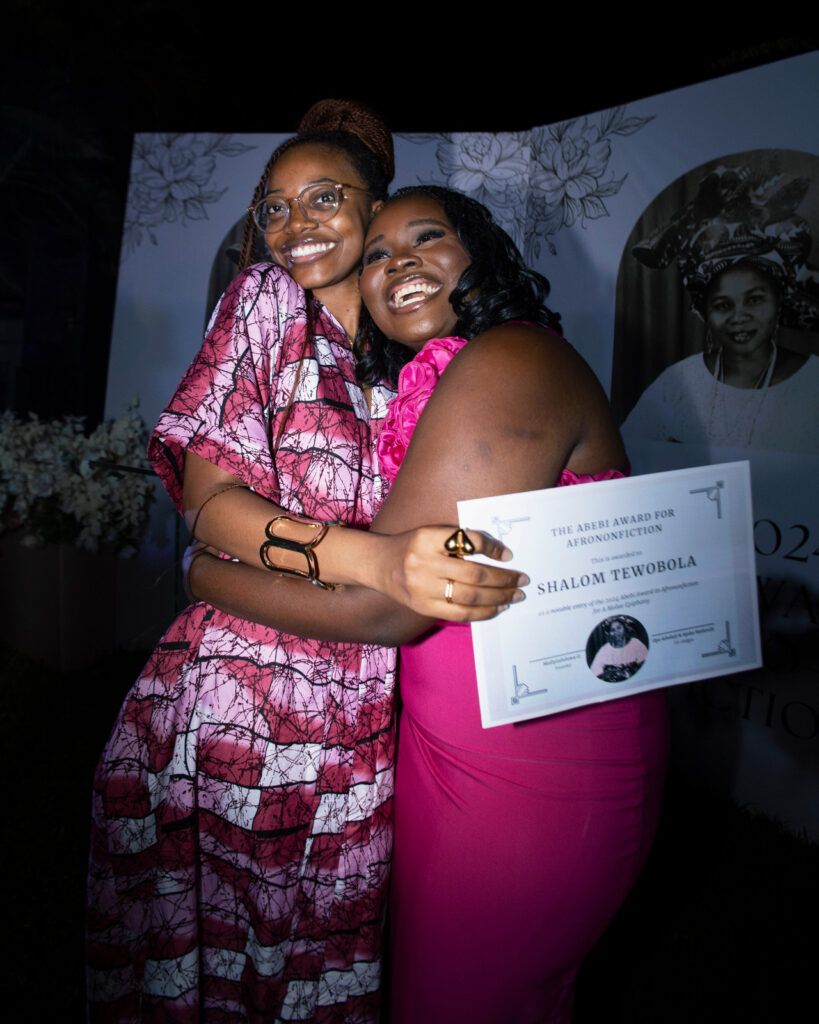
There was a runner up, Ifeoluwa Williams, along with three notable entries consisting of essays from Fatima Abdullahi (who came to Lagos all the way from Kaduna), and Azeeza Adeowu and Shalom Tewebola. All of these writers were given cash prizes but more than the money, all writers were invited to an all expense paid residency where the Founder, Mofiyinfoluwa facilitated engaging workshops, mind-mapping masterclasses and created a heart-warming avenue for the writers to bond and create new work.
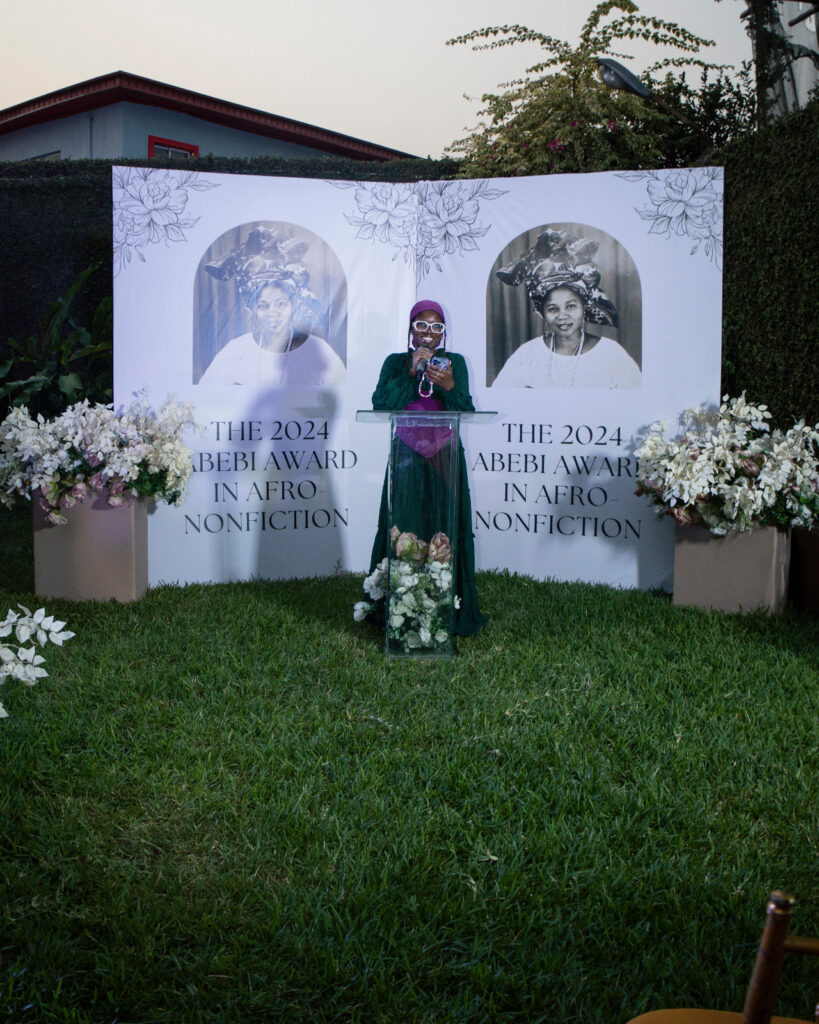
The crowning jewel was the award ceremony, held in a small garden as golden rays of the sun shone down on us. Of the residency provided by The Institute, the winning writer, Mariam Tijani wrote;
‘If I had to sum up my experience of the residence in one word, it would be “intentionality”. Every detail, no matter how small, proves how much mindfulness was put into creating the residence, and providing a supportive environment for thoughtful reflection and growth. I loved listening to the brilliant facilitator, and I am deeply inspired by the resilience of the women and stories shared. My time in the Abebi residency has truly been a transformative journey, and I’m excited to emerge as a more polished, passionate and powerful writer.’
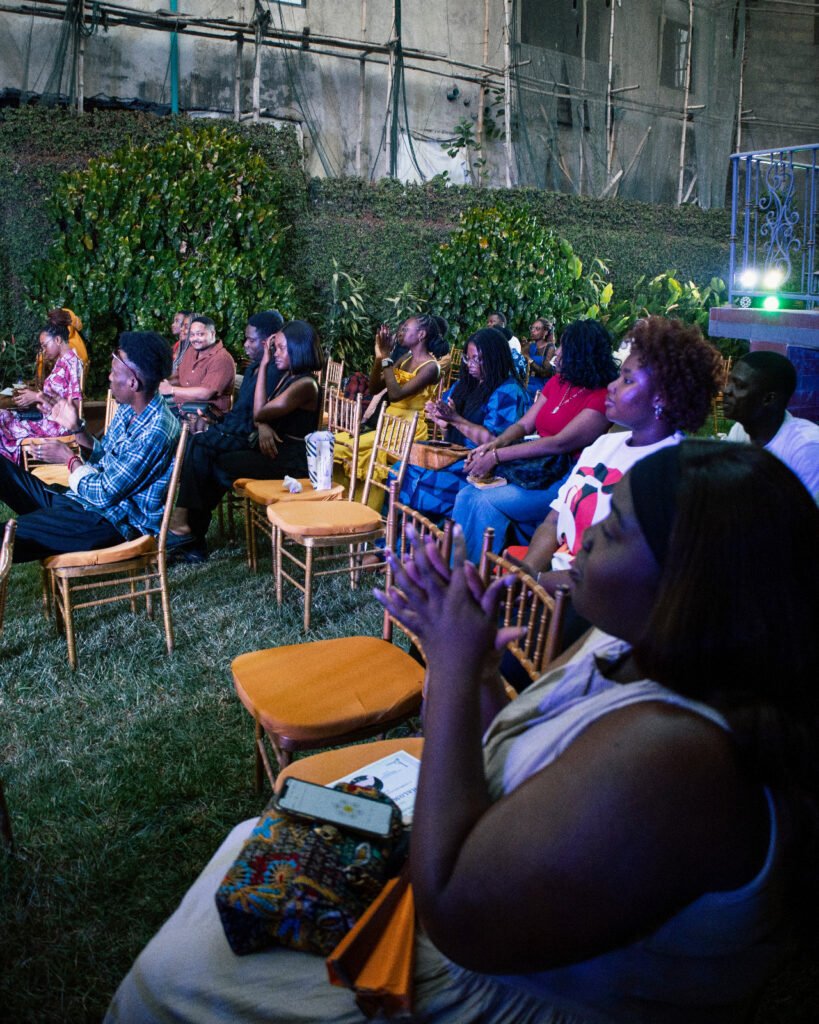
Opportunities like The Abebi AfroNonfiction Award provide a much-needed avenue for the development of emerging talent on the literary scene in Lagos. The invaluable work they are doing continues to shape a new generation of voices that will be heard for years to come.
You can learn more about the institute on their website theabebiinstitute.com/2024-edition