The Presidency spent about ₦34 billion on foreign exchange for travel expenses in just two years, even as millions of Nigerians struggle with rising living costs and a weakened naira.
Data obtained from official records show that between 2023 and 2024, the State House used billions of naira to fund foreign trips, including flights, accommodation, allowances, and logistics for presidential delegations. The spending comes at a time when the government has repeatedly asked Nigerians to “tighten their belts” in the face of economic hardship.
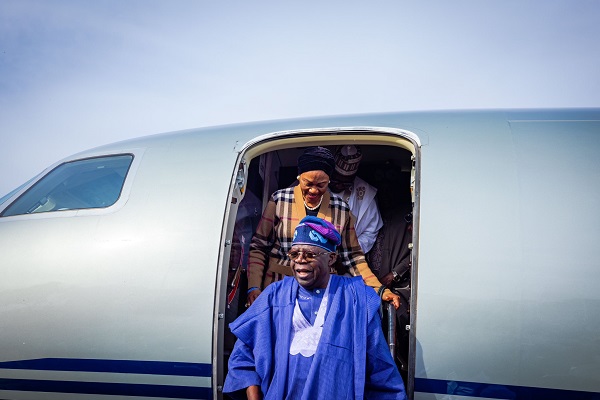
President Bola Tinubu has been one of the most travelled Nigerian leaders in recent history. In December 2025 alone, he spent about 22 days outside the country, according to travel records. The frequent trips have drawn criticism, especially as key economic and security challenges persist at home.
Supporters of the administration argue that the travels are necessary to attract foreign investment and strengthen diplomatic ties. The Presidency has repeatedly said international engagements are part of efforts to stabilise the economy and reposition Nigeria globally.
However, the scale and cost of the travel stand in sharp contrast to the reality facing ordinary Nigerians. The naira has lost significant value, inflation remains high, and public workers across sectors are on strike or protesting unpaid and delayed salaries. Many Nigerians are being told there is no money for wage adjustments, hospitals, schools, or basic services.
The spending also comes as the government continues to restrict access to foreign exchange for businesses and individuals, citing scarcity and the need to manage reserves. While companies struggle to access dollars for imports and operations, the Presidency has had no such limits when it comes to travel.
In a country where workers are owed months of salaries, students are learning in overcrowded classrooms, and hospitals lack basic equipment, ₦34 billion on travel sends a clear message about the current government’s priorities.