Intro – House is the Healer of Souls
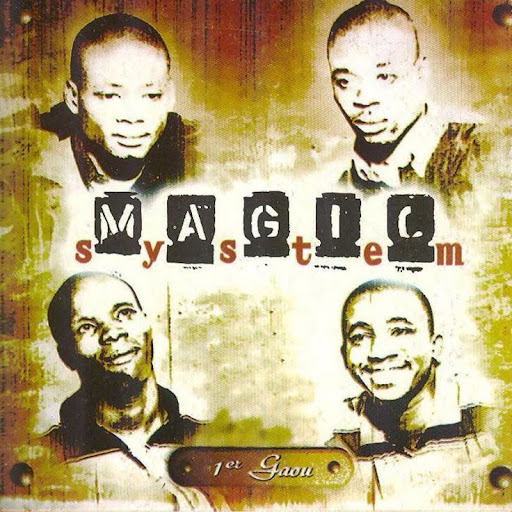
- Premier Gaou (Nitefreak remix) – Francis Mercier, Magic System, Nitefreak
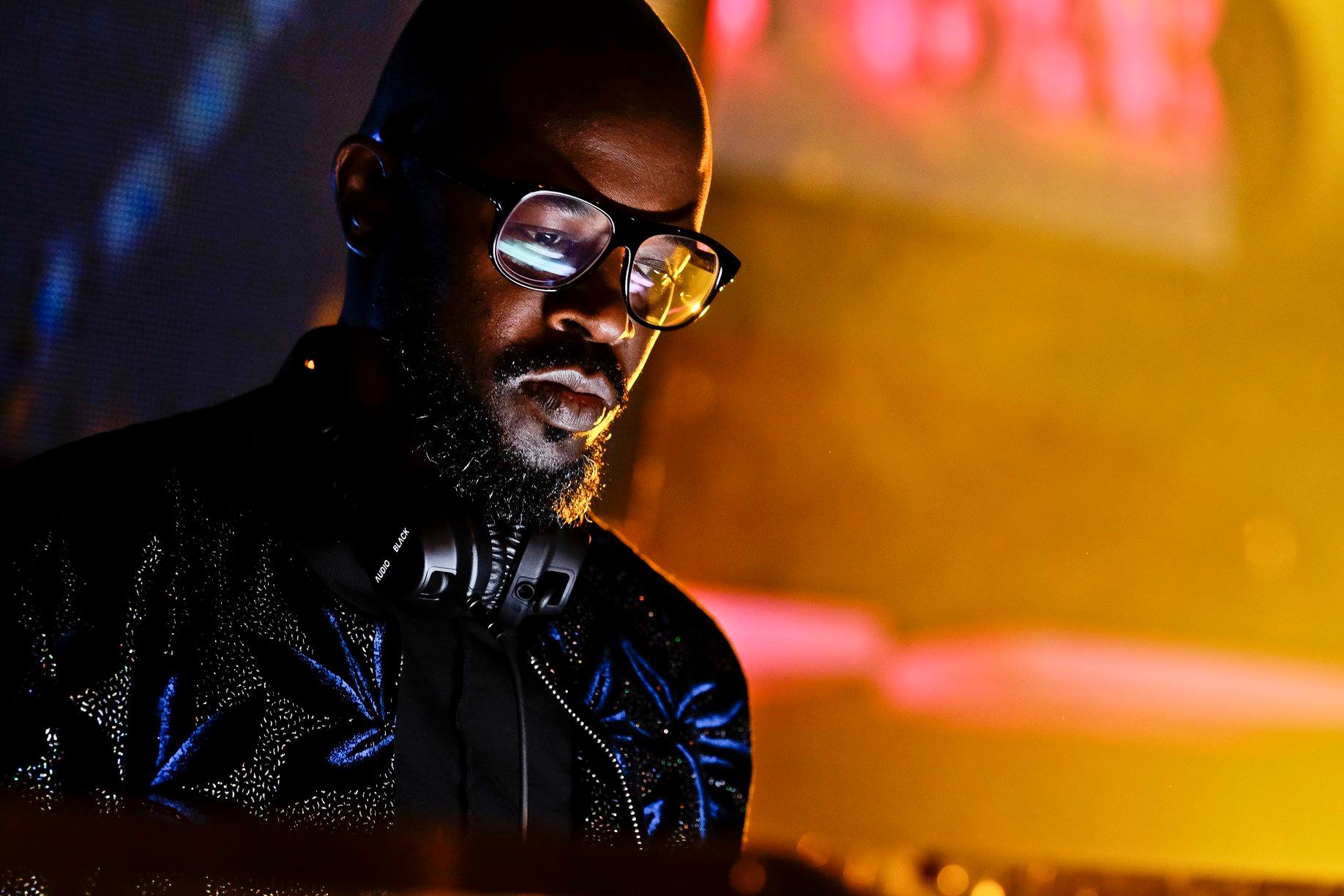
“House is the healer of souls.” That’s a random YouTube comment on a Black Coffee song. YouTube comment sections are usually full of unnecessary paragraphs, but when it comes to house music, they read like personal diaries. People reminiscing about driving through Ibiza at dawn, heartbreak in Liberia, or losing themselves on a dancefloor—because you don’t just listen to house music, you sink into it.
Every sound is placed with intention, designed to evoke a feeling. If you listen closely, you can hear each element working together, like a perfectly solved puzzle. Premier Gaou is one of those songs that everyone across Africa knows—a timeless classic. Now, the Francis Mercier and Nitefreak house remix is giving it new life, even taking over TikTok. That’s why this playlist opens with it—a perfect blend of past and future, capturing exactly what makes Afrohouse so exciting.
But Afrohouse didn’t evolve like most genres. It wasn’t born in the same spaces as its parent genre, house music—it had to carve its own path. This playlist takes you through that journey. From its earliest influences to its growing role in Nigerian music today, we’ll explore how, in five short eras and fifteen carefully selected songs, Afrohouse rose from underground dance floors to international stages.
Prehistoric Era
Before Afrohouse even had a name, its elements were already in place. South Africa had long been a playground for electronic experimentation, and house music found an early home there. Deep house, kwaito, and other Afro-electronic genres laid the groundwork for what we now recognize as Afrohouse.
2. Arthur – Kaffir (1995)
Kwaito, a slowed-down, groove-heavy take on house, was also a major precursor. It influenced not just Afrohouse but genres like Kuduro in Angola, Gqom, and Amapiano. Kaffir is a good song to represent this as it is not wholly house but carries a lot of recognizable features down to the call-and-response vocals. Today’s dancefloor bangers owe a lot to this era, where African artists were already flipping electronic music into something deeply their own.

Cultural Exchange Era
By the late ‘90s and early 2000s, Afrohouse was starting to take shape, but its biggest producers weren’t necessarily African. International DJs were borrowing African rhythms, blending them into house music, and pushing out global hits.
3. Afro Medusa – Pasilda (1999)
During this period, South Africa was also becoming a global house music hub, with international DJs flying in for inspiration. But while African elements were making their way into European house tracks, African artists were also pushing the genre forward.
4. Afefe Iku – Mirror Dance (2008)
The Golden Era
5. Black Coffee, Bucie – Superman (2009)
Afrohouse as we know it truly took off in the late 2000s, thanks to pioneers like Black Coffee, Revolution(duo). Black Coffee’s 2009 classic, Superman marked a turning point. It was well received and placed Afro House at a place to collect its flowers and set it’s influence. However with its rise came a spotlight on its shortcomings.
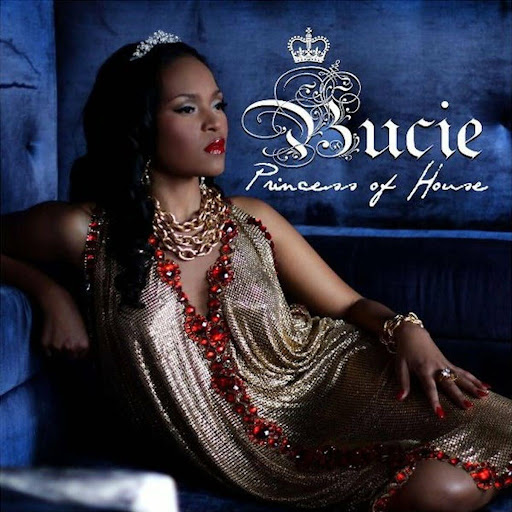
Afrohouse had ghost voices. The vocalists behind some of the genre’s biggest hits remained nameless and overlooked. Unsurprisingly, it was women who carried many of these tracks, delivering powerful, airy vocals while DJs took the credit. In response, some female artists fought back—one of the most notable being Anané Vega, a leading voice in Afrohouse, who founded NULU Studios to uplift unknown artists.
6. DJ Zinhle, Busiswa – My Name Is.. (2012)
One of the label’s standout releases, DJ Zinhle & Busiswa’s *My Name Is… (2012), dominated South African clubs before making its way to Nigeria, where it was sampled by Masterkraft and Olamide for Indomie. This signaled the genre’s slow but steady crossover into Nigeria’s club scene.
The Electronica Wave
7. Sarz, Wizkid – Beat of Life (2012)
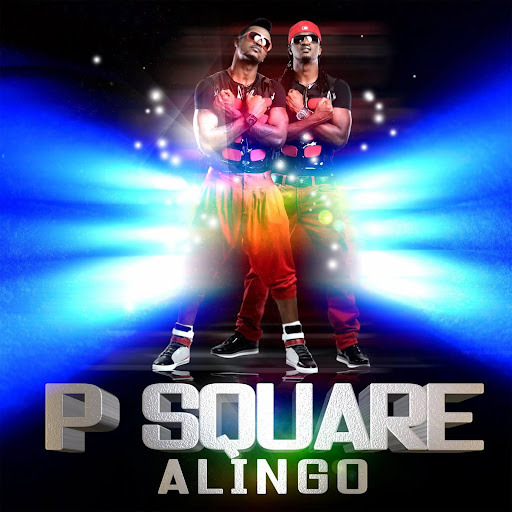
By the 2010s, electronic music was no longer just a Western or South African thing—Nigeria was catching on. Producers like Sarz; artists like P-Square, and Olamide started incorporating house elements into Afrobeats, creating the high-energy club sound that dominated the decade.
8. Drake, Black Coffee, Jorja Smith – Get it Together (2017)
Suddenly, Afrohouse wasn’t just an underground movement, with Drake’s sample, it was part of a global mainstream album. Around the same time, Nigerian artists started collaborating with house producers more frequently.
9. DJ Snake, Niniola – Maradona Riddim (2018)
Amapiano, a close cousin of Afrohouse, was also making waves in Nigeria. Originally from South Africa, Amapiano’s deep log drums and hype men found a second home in Nigerian clubs, helping to normalize house music in the country.
10. Master KG, Nomcebo Zikode, Burna Boy – Jerusalema (2020)
The Present Era
11. Aluna, Prettyboy D-O, Kooldrink – Nowhere to Hide (2022)
Now, we’re in a new era where Nigerian artists are fully comfortable with house music—not just as a feature, but as a core sound. Artists who wouldn’t have touched house five years ago are now making full-fledged Afrohouse and Amapiano tracks.
12. Omah Lay – Holy Ghost (2023)
13. Fireboy DML – Someone (2023)
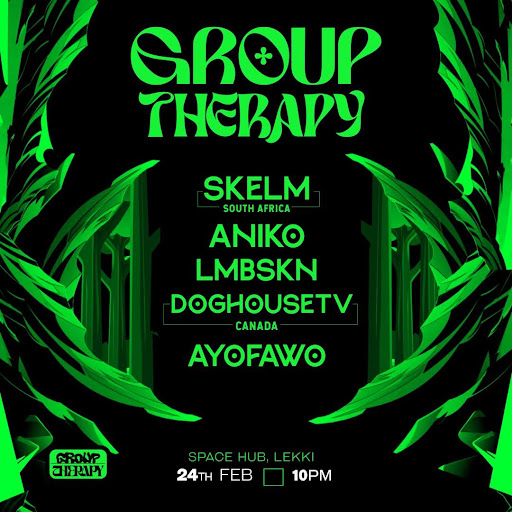
And it’s not just the artists—Nigeria’s club culture is changing. Raves are on the rise, with events like Group Therapy and HousexHousexHouse creating new spaces for house music to thrive. DJs are the new influencers, with many skipping traditional music careers in favor of spinning tracks at underground parties and rooftop sets.
14. Kito, Kah-Lo, brazy, Baauer – take your vibes and go (2024)
15. Sarz, Asake – C’mon Look (2024)
The Future of Afrohouse
While South Africa remains its birthplace, Nigeria is quickly emerging as one of its biggest new markets. More artists and producers are experimenting with house-infused sounds, blending them with other genres to create something fresh. The Nigerian music industry’s rapid growth has fueled this shift, with many artists striving to pioneer their own unique styles. Sometimes it works, sometimes it doesn’t—but when it does, it’s magic.
So if you’ve seen the hype around Afrohouse, or found yourself vibing at a rave, wondering where to find more of this music, this playlist is your perfect introduction. Hit play, and let Afrohouse do what it does best—move you.