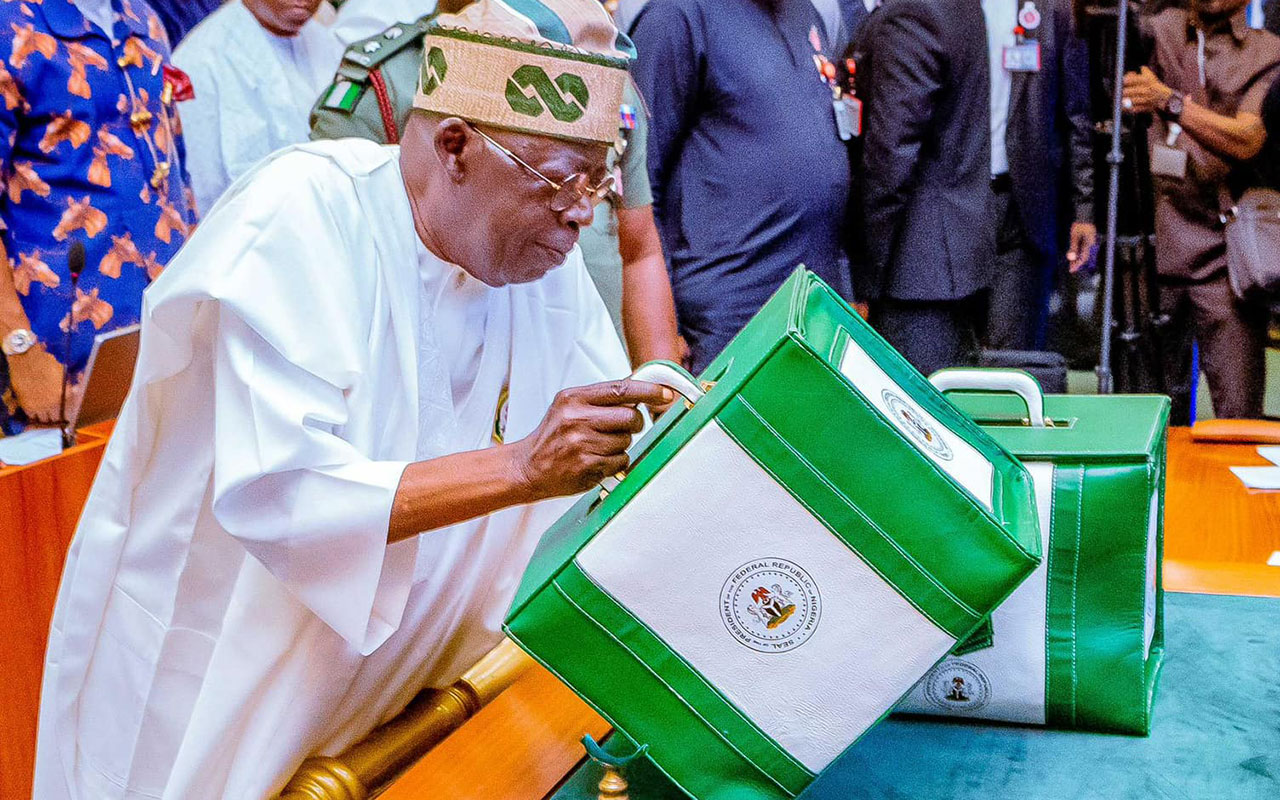
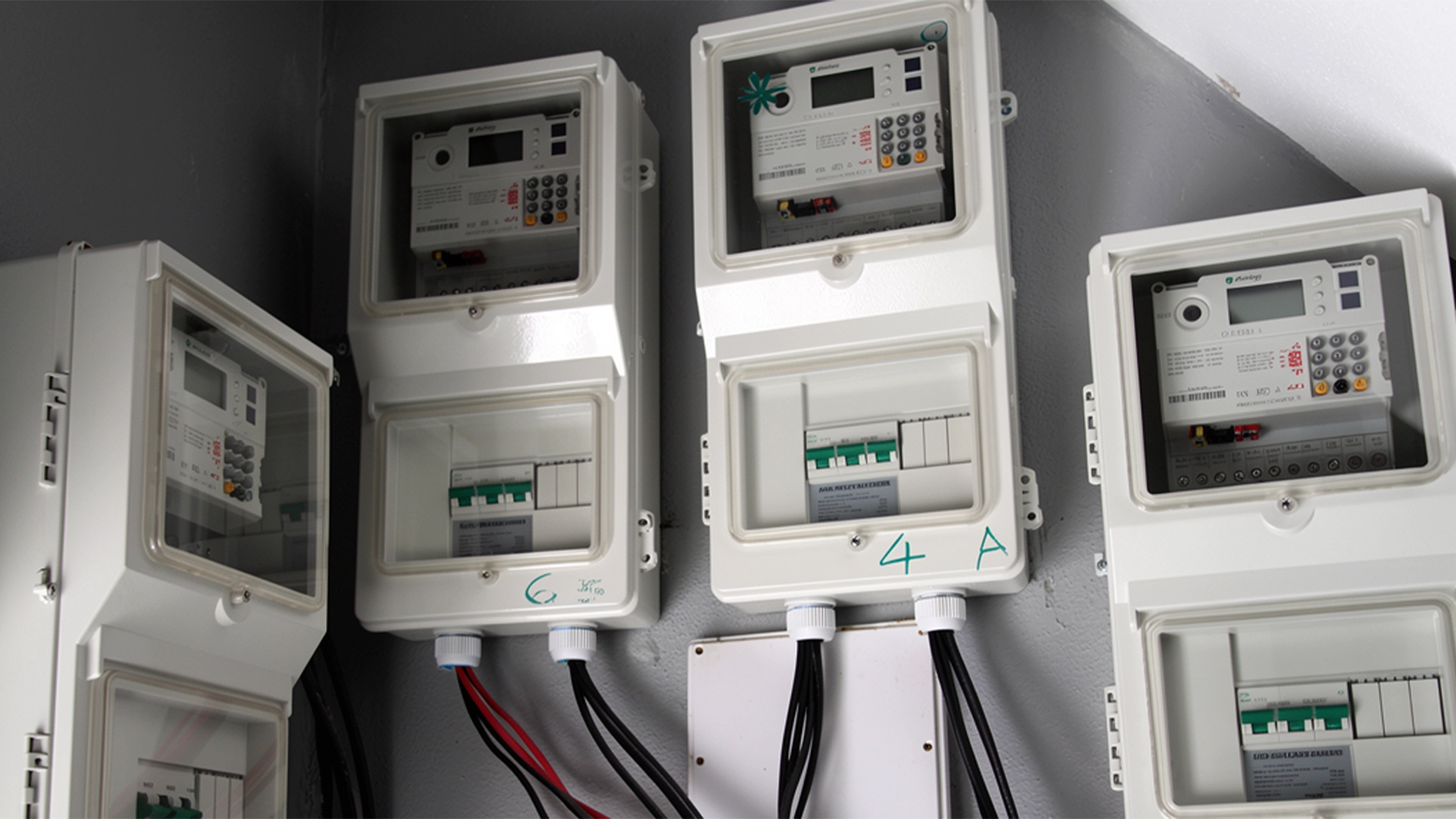
The Nigerian Electricity Regulatory Commission has approved ₦30 billion for free electricity meters. Order NERC/2026/121 operationalises Tranche C of the Meter Acquisition Fund, took effect on 2 November, and has to be fully installed by 31 May 2027. The money goes to unmetered Band A customers first, then to speeding up metering for Band B, and it is split across the eleven DisCos in proportion to what each contributed to the fund as of the July 2026 market settlement.
It is a real intervention with real enforcement attached. It is also a fraction of the problem, and smaller than what Nigerians spent on meters out of their own pockets last year.
The size of the gap
As of August 2026, Nigeria had about 12.75 million active electricity customers. Roughly 8.05 million of them had meters. That is a metering rate of 63.1 per cent, and it leaves about 4.7 million customers still on estimated billing, paying whatever the DisCo decides they used.
Meter prices were deregulated in 2024 under Order NERC/2024/040, and they now sit around ₦130,000 on average, with three-phase units above ₦200,000. At ₦130,000 a unit, ₦30 billion buys roughly 231,000 meters. Against 4.7 million unmetered customers, that is about five per cent of the gap. At three-phase prices, it is nearer 150,000 meters, or three per cent.
Closing the whole gap at today’s average price would cost in the region of ₦610 billion. Tranche C is 4.9 per cent of that.
The fund is smaller than what customers already pay
Tranche A was ₦21 billion, approved in June 2024. Tranche B was ₦28 billion, approved in October 2025. Tranche C is ₦30 billion. That is ₦79 billion committed to the Meter Acquisition Fund across twenty-nine months.
In 2025 alone, electricity consumers paid at least ₦84.366 billion for meters under the Meter Asset Provider scheme, 648,972 of the 965,303 meters deployed that year. Customers front that money and are repaid through energy tokens over ten years.
So in a single year, Nigerians put more of their own cash into metering than the national fund has committed since it began. The fund is not the main engine of metering in this country. Customers are.
Where the meters actually come from
The quarterly numbers make the same point. In Q1 2026 the DisCos installed 357,495 meters, the highest in five quarters and up from 187,161 in Q1 2025. Of those, 129,224 came through DISREP, the federal programme, 118,681 through MAP, and 97,992 through the Meter Acquisition Fund. DisCo-financed and vendor-financed installations made up under 3.3 per cent between them.
The MAF is the third-largest channel, at 27.4 per cent. It matters, but it is not the thing carrying the load.
And the pace matters more than any single tranche. At the Q1 2026 rate, the industry installs about 1.43 million meters a year. On that run rate, 4.7 million unmetered customers would take about three years and four months — if the gap stood still. It does not. New connections are added continuously, which is why the metering rate has moved so slowly despite rising installation numbers.
The small print is the interesting part
What is new in this Order is how hard NERC has tried to stop the money leaking. Every meter supplied under the programme must be free to the customer, and must carry the DisCo’s name, the tranche it came from, and the words “NOT FOR SALE” printed on it. That line exists because the failure mode is well known: free meters being sold to customers who were entitled to them for nothing.
Payment is staged. Meter providers get 70 per cent after verified delivery of stock and the remaining 30 per cent only once the Commission confirms installation. Procurement must go through eligible Local Meter Manufacturers and Assemblers or Meter Asset Providers with verified stock, at prices capped at the median national MAP online bid prices from the September 2026 bid cycle. Where a DisCo moves a customer’s connection point for revenue protection, the DisCo pays for it, not the customer. And there are sanctions where a DisCo’s own default delays installation.
All of that is a regulator that has watched previous rounds and written the Order accordingly.
Why Band A goes first
Band A customers pay the highest tariff and get the most hours of supply. Metering them first protects revenue, because an unmetered Band A customer is the most expensive estimate a DisCo can get wrong in either direction. The logic is sound from the industry’s side.
From the customer’s side, it means the households furthest down the band structure, the ones with the fewest hours and the least ability to argue with an estimate, keep waiting. Band B gets acceleration, not priority. Everyone below that is not in this Order at all.
What to watch
- The per-DisCo split. It is allocated by contribution to the fund, not by size of the metering gap. Those are not the same thing, and the difference decides who waits.
- How many meters ₦30bn actually buys. The cap is set at median September bid prices. Published installation counts against that budget will show whether the cap held.
- 31 May 2027. A hard deadline with sanctions attached is unusual. Whether it is enforced is the test.
- The metering rate itself. 63.1 per cent in August 2026. If it has not moved meaningfully by the middle of next year, the tranches are running to a standstill.
The meter is the only thing standing between a household and a bill somebody else invented. ₦30 billion buys about 231,000 of them. 4.7 million households are waiting.