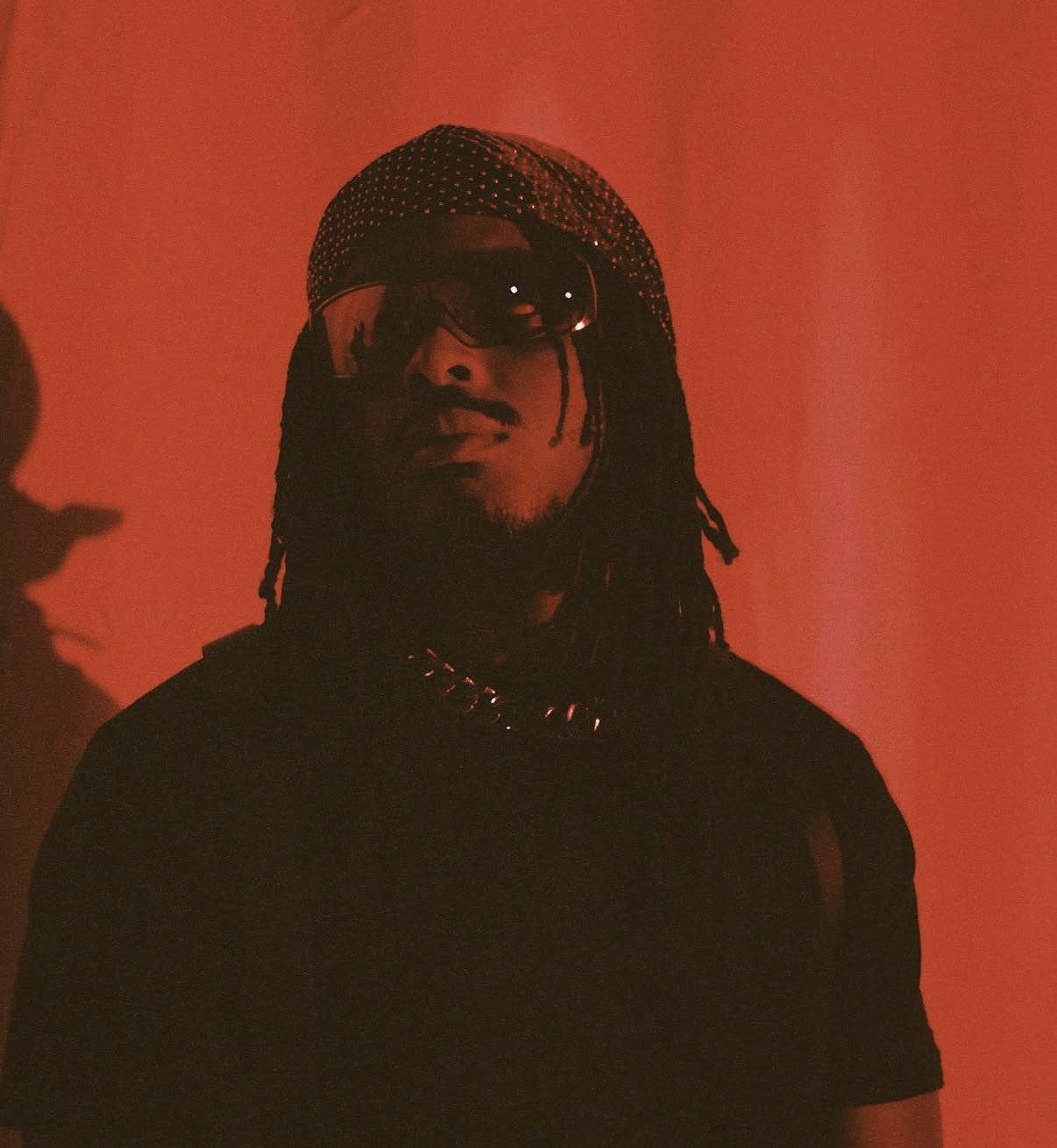
A Nigerian singer married one of Ghana’s biggest voices this month, and a lot of people typed his name into a search bar for the first time. If you are one of them, the short answer is that Tomi Thomas has been here for fifteen years, and you have almost certainly heard him without knowing it.
The longer answer is more interesting.
Lagos, by way of Kano
Thomas was born in Lagos and spent his childhood in Kano, in the north, before the family moved back south. He was performing young, and by 2009 he was part of Loud On Sound, the collective almost everyone shortens to L.O.S.
L.O.S matters more than a footnote. They were among the first groups making the kind of record that did not fit the Nigerian radio format of the time, too soft for the clubs and too strange for the charts, and they did it years before anyone had settled on calling it alté. Thomas has described the group as a family business, a set of brothers who grew up together rather than a label construction. We have written before about the era they ushered in and later about their reunion on the Tribe EP.
There is a documentary on the collective too, for anyone who wants the full picture of what that scene looked like before it had a name.
Going solo, slowly
He stepped out on his own in 2014 with Patience, a debut EP he has said took around a year and a half to make. The title was not accidental. Black Couch LP Vol 1 followed in 2016, and in 2018 he put out Illusions, a six track EP built with LeriQ, the producer behind much of Burna Boy’s early catalogue.
Across all of it the voice is the constant. Thomas sings in a low, unhurried register that sits closer to soul and reggae than to Afropop’s usual brightness, and he moves between R&B, dancehall, hip hop and Afro fusion without ever sounding like he is visiting. He lists Sade, Fela, Bob Marley, Bumi Thomas and Wande Coal as influences, which tells you most of what you need to know about the mix.
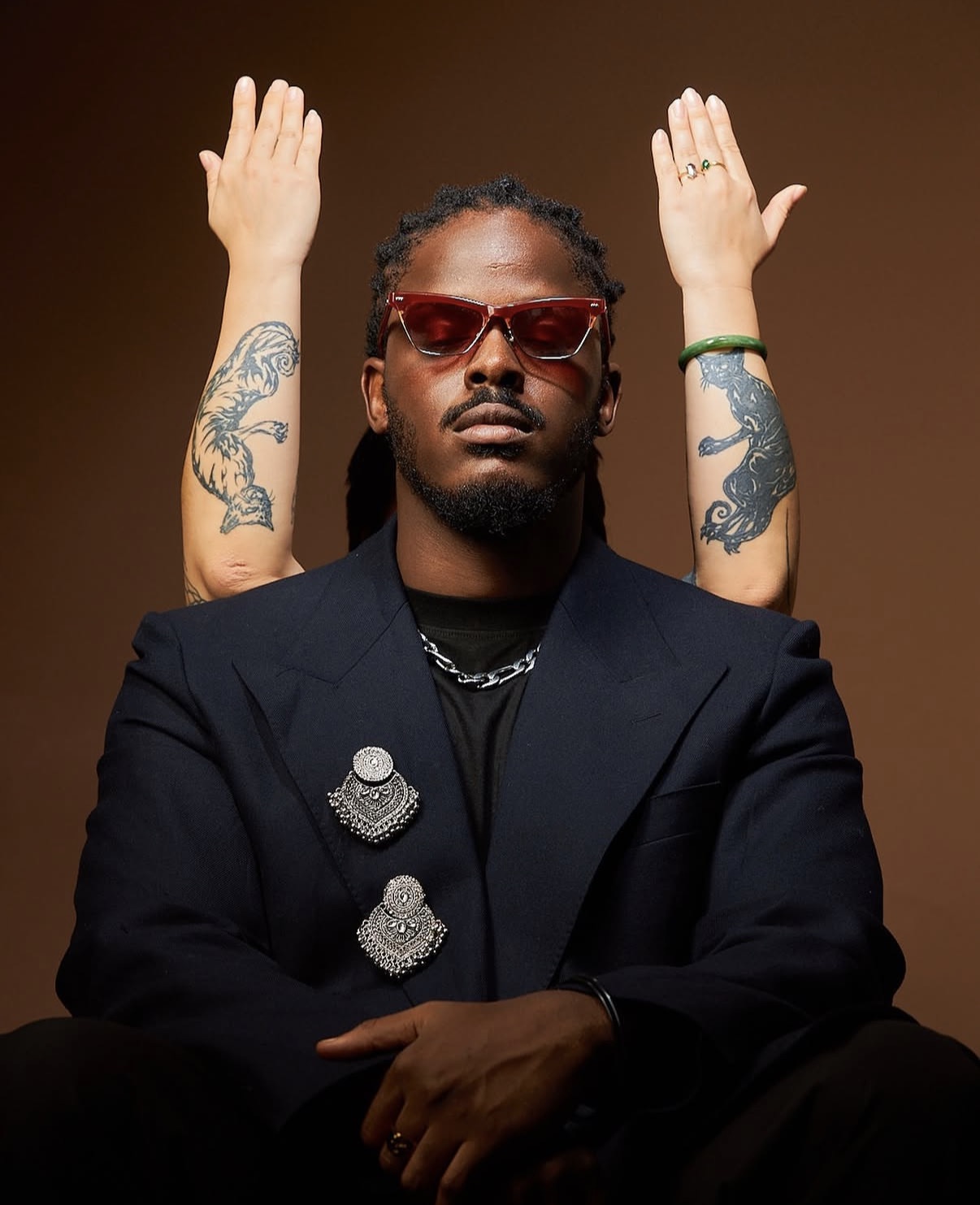
The Show Dem Camp years
If you know Thomas without knowing you know him, this is probably why. He turned up on Show Dem Camp’s “What You Want” and on Palm Wine Music Vol. 1, the series that did more than any other project to define a particular Lagos mood in the second half of the 2010s. He appeared on “Vipers” with Show Dem Camp and Jesse Jagz, on Lady Donli‘s “Work”, and on records with Wale, Larry Gaaga, YKB and others.
The feature run is the quiet backbone of his career. Thomas has rarely been the loudest name on a track, and has very often been the reason the track sounds the way it does.
Hopeless Romantic, and then nothing
His 2021 EP Hopeless Romantic is the project most people point to, and it carried a genuine coup in “Hurricane”, a record with Buju Banton. He has called working with Buju his favourite collaboration.
The title track did its own work.
Then he went quiet. A follow up, Hopeless Romantic Riddim, and after that very little. He did not reappear properly until June 2024 with “Seeing is Believing”, a single that came out of a songwriting camp. Asked about the gap, his answer was flat: “Truth is I never left.”
The Ghana chapter
Which brings us to why his name is in your feed.
Thomas has been building toward Ghana for years. He has recorded with Stonebwoy, with M.anifest, and with Efya. In September this year he released In The Time It Takes To Bloom, his first project in roughly five years, featuring both M.anifest and Efya, and pulling Nigerian and Ghanaian influences into the same room.
Then, in November, he married Efya.
Efya, born Jane Awindor, is one of the most decorated vocalists Ghana has produced, and she had been fairly public about not planning to marry at all. The traditional ceremony was held on Friday 6th November 2026, with Efya in kente and beadwork and Thomas in attire blending both cultures, and the white wedding followed on Saturday 7th November. When an Instagram blog resurfaced her old comments about never marrying, she replied: “lol I guess i lied … Oppssssss.”
What he says he wants next
Speaking on TV3’s Afternoon Show in Accra this week, Thomas made the case that the exchange runs both ways. He called the Ghanaian scene “such a legendary, influential space, even to Nigeria”, and pointed to Fela’s own ties to Ghana as the precedent.
He also named the direction he wants to go. “I would love to do more highlife,” he said, and when pushed on a dream collaborator he named Pat Thomas, the veteran whose catalogue is close to the genre’s spine.
It would be a neat piece of symmetry. A singer who spent his first decade making music that Nigerian radio did not have a slot for, now chasing one of the oldest formats on the continent, in his wife’s country, with a surname he happens to share with the man he wants to record with.