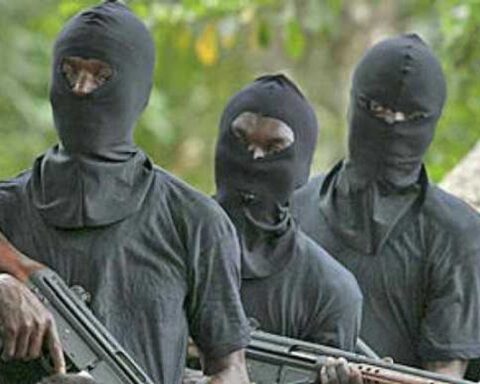
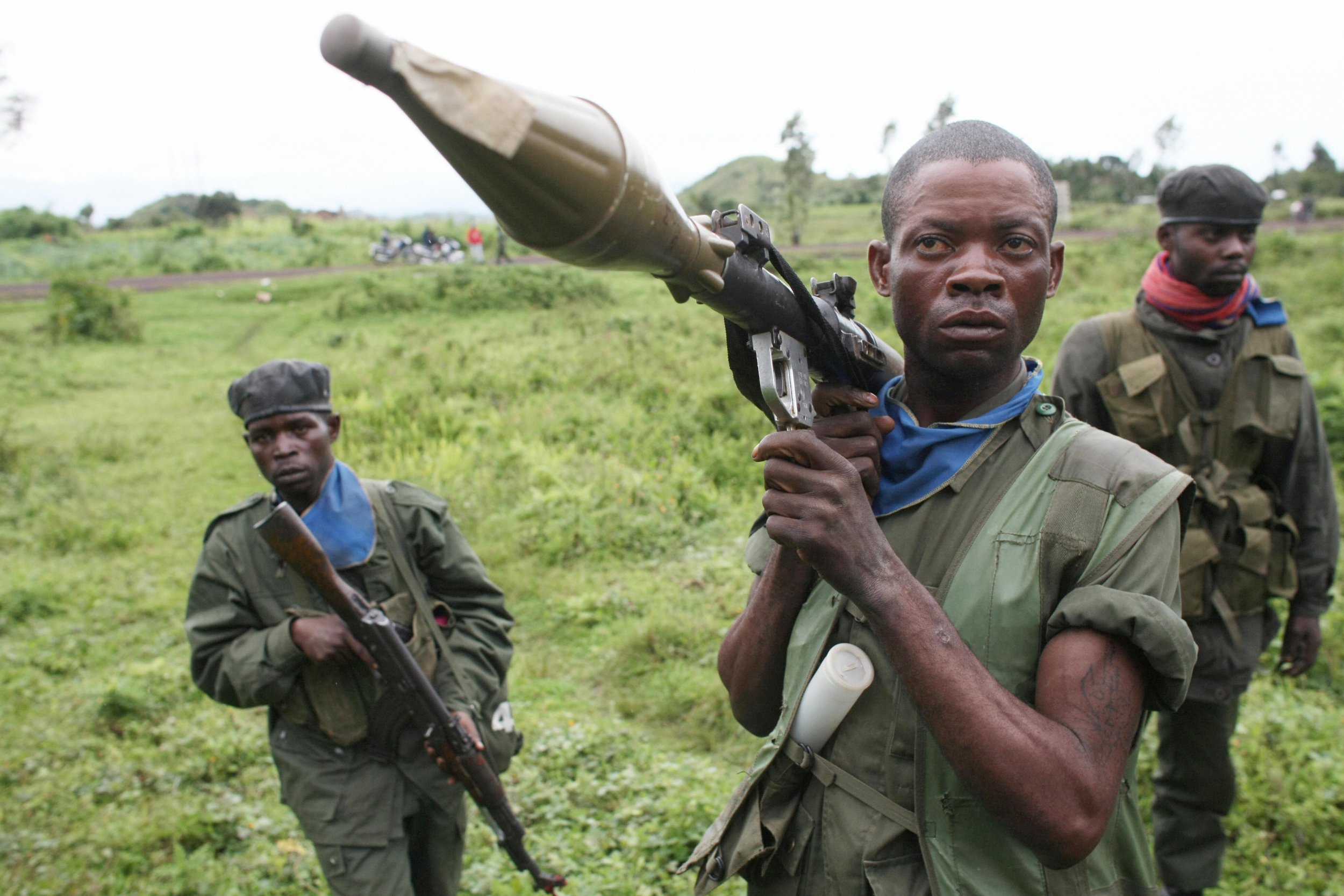
The Democratic Republic of the Congo (DRC) is once again in chaos as the government’s deadly battle with Rwanda-backed M23 rebels escalates, resulting in horrible atrocities against civilians. The latest disaster occurred in Goma’s Muzenze Prison, where a huge jailbreak turned into a bloodbath, with at least 165 female prisoners raped and many burned alive in a fire started by escaping male inmates.
The terrible event parallels an identical tragedy that occurred just months ago at Kinshasa’s Makala Prison, where an attempted escape killed at least 129 convicts and saw women subjected to gang rapes in the midst of the chaos. These recurring occurrences not only demonstrate the entire breakdown of law and order, but also reveal the tragic reality of Congo’s brutal prison system.
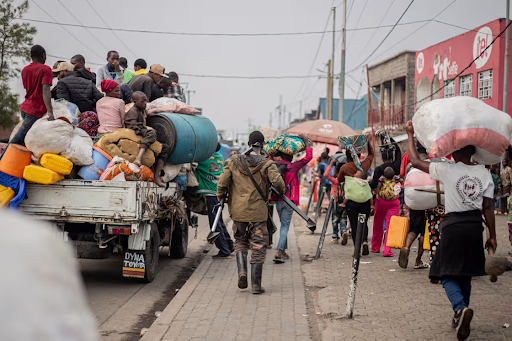
Muzenze Prison, Goma, Democratic Republic of the Congo (DRC)
On January 27, M23 rebels clashed with government forces for control of Goma. Amid the confusion, inmates at Muzenze Prison saw an opportunity and stormed the gates. More than 4,000 prisoners escaped into the streets.
Female inmates endured unimaginable abuse while trapped in the facility. The UN claims that before the assailants burned the prison, at least 165 women were raped. The majority of them died in the fire.
UN spokeswoman Seif Magango told CNN, “We do consider the judicial official’s account to be credible, even though we did not independently verify his report ourselves.” Patrick Muyaya, a spokesman for the Congolese government, condemned the attack as “a barbaric crime.”
The Muzenze tragedy is not an isolated case but part of a grim pattern of sexual violence being used as a weapon in Congo’s long-standing conflict. The UN’s Human Rights Office warned that such atrocities could escalate as the war between M23 rebels and Congolese forces rages on.
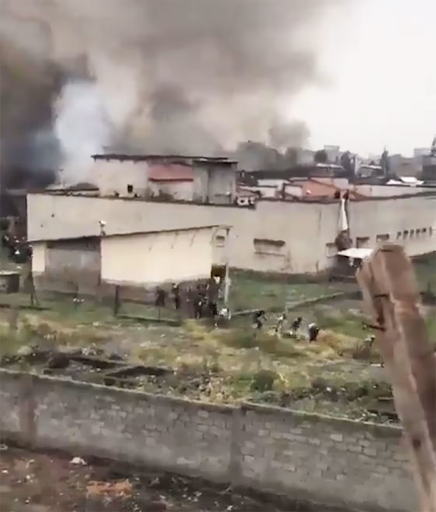
Makala Central Prison, Kinshasa, Democratic Republic of the Congo (DRC)
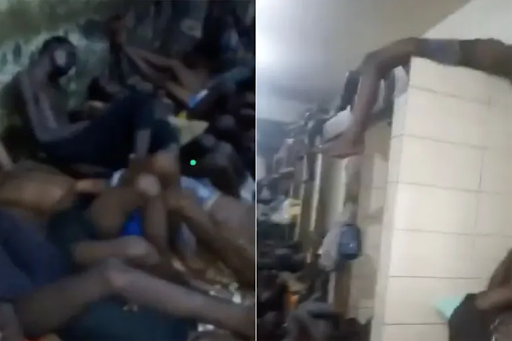
The atrocities in Muzenze are eerily reminiscent of a previous incident that occurred in September 2024 at Makala Prison in Kinshasa. Gunfire broke out as inmates tried to make a mass escape that evening. At least 129 inmates were killed during a violent crackdown by security agents within hours, many of whom were shot at close range. detainees’ rights organisations maintain that about 2,000 detainees are still missing, despite officials’ official claims that no one escaped.
The stories from within Makala are horrific. According to survivors, female captives suffered gang rapes at the hands of their fellow inmates, and men were crushed to death while attempting to escape. According to one victim, who spoke to Al Jazeera under the nickname Alice, the attackers threatened to kill any lady who protested while brandishing knives and razor blades. Some woman were raped by more than a dozen men and others barely able to walk after the assault.
Before the rebellion, conditions at Makala were already awful. The prison housed more than 14,000 convicts, many of whom had never been found guilty of a crime, despite being designed to house only 1,500. Makala was referred to by prisoners as a “corridor of death,” where sickness and malnutrition were prevalent.
A War That’s Spiraling Out of Control
These prison atrocities are unfolding against the backdrop of an escalating war. An intensifying conflict is the backdrop against which these crimes in prison are taking place. With Rwanda’s support, the heavily armed M23 rebels have taken control of strategic locations in eastern Congo, including the airport in Goma. As the Congolese army tries to defend its ground, thousands of civilians are escaping.
The U.S., France, and Britain have called for a halt to Kigali’s assistance of the rebels, and the international community has denounced Rwanda’s role. Rwanda, meanwhile, has refuted the accusations and blamed Kinshasa for inciting the war.
The humanitarian situation deteriorates in the meantime. Hundreds of thousands have been displaced since M23 took over Goma, and humanitarian organisations are warning of illness epidemics in the congested camps for refugees.