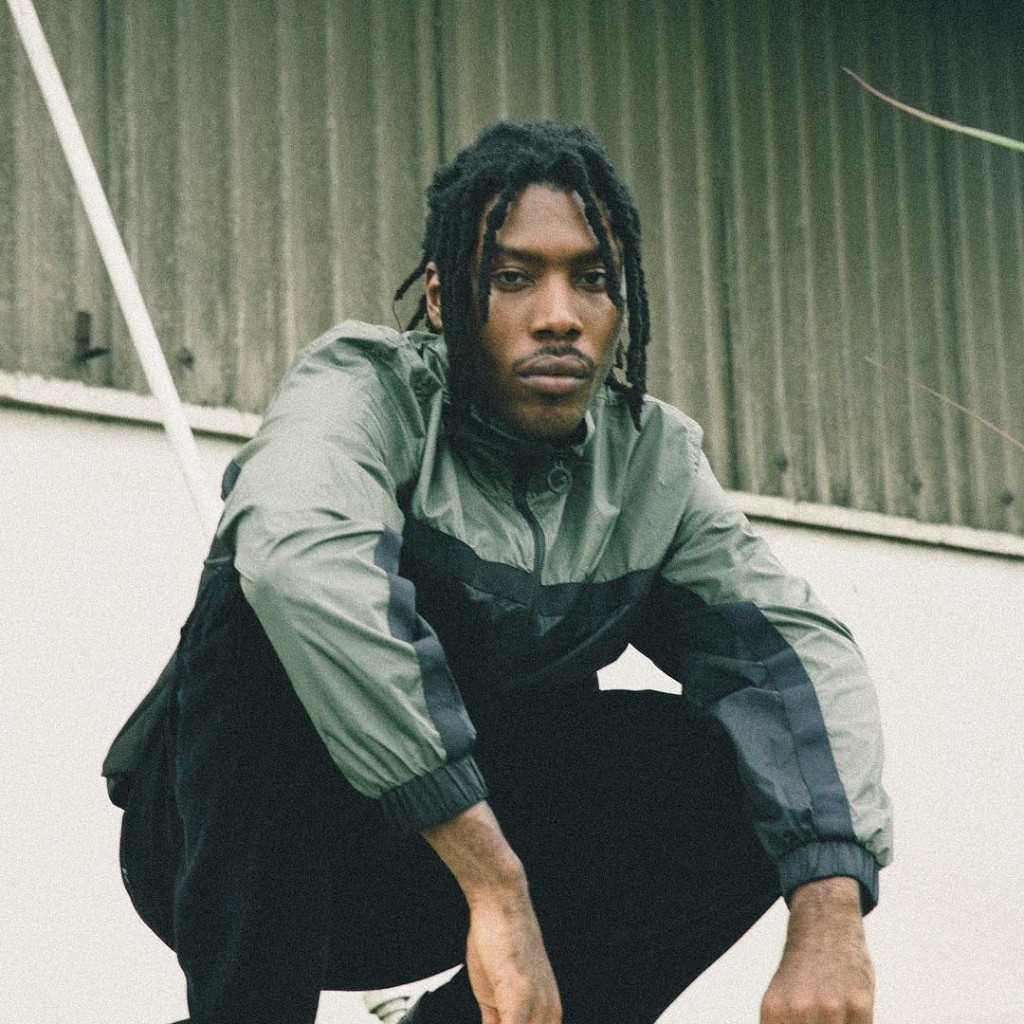
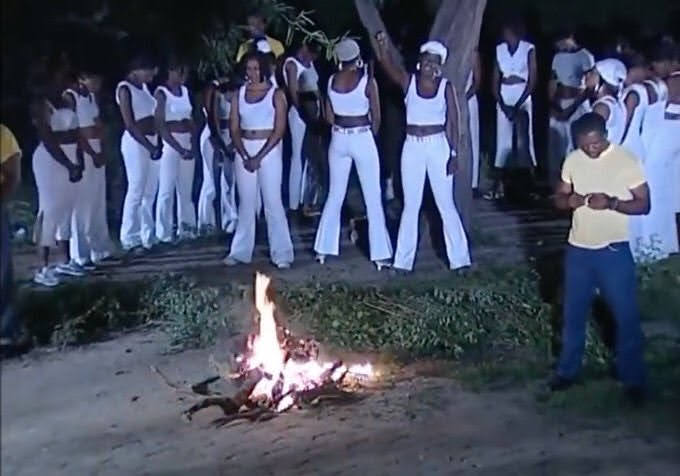
“The bargar wey been scatter settings for my city/ Coti been dey find am all along/ Today we go pump am/ Load dem/ Shank am/ E no go fit to breathe” ~ Odumodublvck
Afrobeats is at a crossroads. With new indie sounds carving out sub-genres left and right, we’ve seen the rise of Afro-R&B, Afro-folk, and, more recently—Afro-cultism. These labels aren’t really about the sound but the image, the vibe, the way artists present themselves. Like conscious rap, which isn’t defined by a specific beat but by its themes, Afro-cultism is less about the music and more about the culture surrounding it.
And as expected, the moral panic is already here. Musicians like Odumodublvck are accused of corrupting the youth, of pushing cult culture into the mainstream and making violence look cool. But let’s be honest—this isn’t new.
There was a time when gangsta rap was blamed for crime in America, just as grime was blamed for violence in the UK. Meanwhile, the actual reasons for crime—poverty, and systemic failure—were conveniently ignored. It’s easier to point fingers at music than to acknowledge that people aren’t shooting each other because of a song but because they live in a system that gives them nothing to lose.
The same thing is happening in Nigeria. Cultism is a real problem, but Odumodublvck is not the issue.
Afro-Cultism and its Artists
For a country that claims to hate cultism, we spend a lot of time talking about it. We replicate their fashion and obsess over artists using slang in music or the occasional viral clip of a shady meeting with A-list attendees. Nigerians fixate on the symbols of cultism while the real thing continues to thrive in the shadows.
The reality is—most of the artists being accused of “promoting” cultism are just capitalizing on an aesthetic and our obsession. These artists are middle-class boys recording music about street life from their fathers’ house, while their mothers call them to come and eat rice. They are not cultists. In fact, if someone were truly involved in cult killings, rapping openly about it would be incredibly reckless (and also bad taste).
Meanwhile, actual cultists are extorting, harassing, and murdering students on university campuses. They are embedding themselves in global crime networks, trafficking women, and laundering money. But you won’t see a trending hashtag for them. Instead, we’re debating lyrics and arguing over whether or not Odumodublvck is “a bad influence.”
Cultism in Nigeria has always been deeper than the surface-level spectacle we obsess over. We just refuse to look beyond the distractions.
The Cultist-to-Politician Pipeline
If you were to look at Nigerian cults only through the lens of university clashes, you would miss the bigger picture.
Confraternities have always been woven into the country’s history, from the Ogboni societies that served as kingmakers to the Cult of Ayelala that acted as enforcers of justice. These groups wielded significant power in pre-colonial Nigeria, often functioning as both legislature and judiciary.
The British, recognizing their influence, couldn’t entirely dismantle them and instead co-opted these societies through indirect rule. Decades later, the military government of Olusegun Obasanjo employed a similar strategy when confronted with the “problem” of campus cultism.
A former Black Axe member, when reflecting on his cult days, spoke with surprising nostalgia. “It wasn’t just about the wars,” he told me. For him, joining wasn’t about power or crime, even though he was aware that those were parts; but it was also about finding brotherhood in a country where male loneliness was—and still is—profoundly overlooked. What started as a boy’s club, a space for young men to bond, quickly became a breeding ground for something more sinister once the military intervened.
As historian Stanislav Andreski observed, “The overproduction of graduates is the surest means to conjure up subversive movements.” The military knew this too well. Universities in the 1970s brimmed with students eager to challenge the status quo. It was a ticking time bomb for any government. So, rather than extinguish the growing student radicalism, they redirected it, turning confraternities into tools of state control.
Since then, Nigerian politicians have relied on confraternities for electoral violence, voter intimidation, and even assassinations. Groups like the Junior Vikings Confraternity (JVC) and the Supreme Vikings Confraternity (SVC) have been used as private militias. A Human Rights Watch report detailed how members of cults were recruited, armed, and paid by politicians to settle scores. In Anambra, PDP gubernatorial candidate Andy Uba was linked to Black Axe members who rigged primaries in his favor by stuffing ballot boxes and violently chasing off voters. In Rivers State, cult leaders received tens of millions of naira to mobilize armed groups, ensuring the victory of their political patrons.
These aren’t isolated incidents—this is the Cult-to-Politics pipeline. Many of today’s politicians, despite public denials, were once cult members themselves. Many continue to fund and direct these groups from the shadows, while others, long out of school, have bribed their way into confraternities for strategic alliances. After all, being part of a cult guarantees a network of fiercely loyal foot soldiers ready to do whatever is asked of them.
The Art of Misdirection
In Italy, a Nigerian commissioner was arrested for his role in a criminal organization—The Maphites—which, according to authorities, was operating under a group called the Green Circuit Association. In response, the GCA issued a public statement on Facebook, insisting they were a legitimate organization and condemning the accusations.
At first glance, the statement seemed reasonable. But scrolling through the comments revealed something else—members casually using cult slang, sharing inside jokes that only initiates would understand.
This is the new face of cultism. It’s not just about street violence anymore. It’s about branding, and playing the long game. While some confraternities still engage in overt brutality, others are carefully crafting an image of respectability. These organizations are building charities, funding scholarships, and engaging in community projects. They are registering as NGOs, sponsoring events, and weaving themselves into legitimate businesses. The Black Axe’s Neo-Black Movement (NBM) has donated traffic stands in Abuja. Other confraternities have launched social media campaigns promoting “youth empowerment.”
But behind the philanthropy, the same leaders remain. The same political entanglements exist and above all, the same crimes continue. Nigerian cults are now competing with international mafias in drug trafficking and prostitution. In the UK, confraternity members have been arrested for human trafficking and financial fraud. The most notorious among them operate in Italy, Spain, and the United States, laundering millions through front businesses and political connections.
Conclusion: The Distraction is Working
Cultism in Nigeria isn’t about musicians or their lyrics. Just as music can’t solve all our problems, it doesn’t cause them either. Cultism sells its members the idea of brotherhood, while outsiders see only gangsterism. It’s a well-oiled machine with beneficiaries in the highest places. Yet, while Nigerians argue over rap lyrics and viral Twitter debates, the real power players behind cultism remain untouched.
Cult groups are rebranding, polishing their public image through charity work and political connections. But is this rebrand genuine? Or is it just another smoke screen, while the government continues to exploit them for political gain under the guise of fighting them?
One thing is clear—until we stop mistaking aesthetics for the real issue, cultism will not just survive, it will thrive. And by the time we finally realize where to look, it might already be too late.