
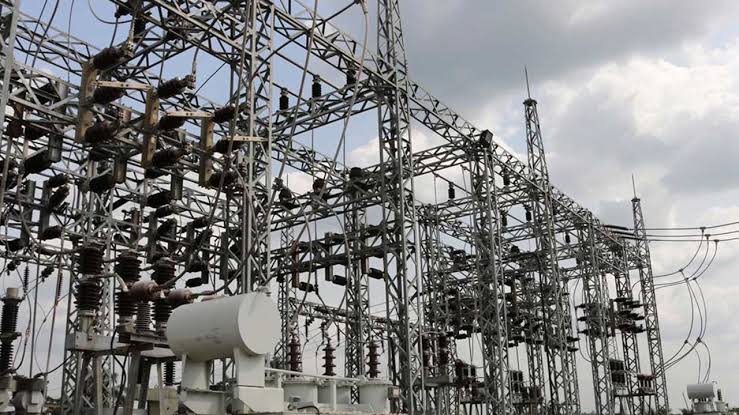
Nigeria’s electricity distribution companies (Discos) recorded a ₦493 billion collection surplus even as power supply remained unreliable across the country, highlighting the growing disconnect between what consumers pay and the electricity they receive.
The Nigerian Electricity Regulatory Commission (NERC) said Discos improved tariff collection in the third quarter of 2025, although billing losses still stood at ₦147 billion, pointing to deep inefficiencies within the system.
The improved collections have come at a time when Nigerians continue to face frequent blackouts. In January 2026, the national grid collapsed for the first time this year, plunging parts of the country into darkness and underscoring the fragility of the power system.
Despite these challenges, electricity tariffs have risen, with Discos rolling out new pricing structures that have left many consumers paying more for inconsistent supply. In Lagos, the Ikeja Electricity Distribution Company (IKEDC) recently published a list of areas expected to enjoy 20 to 24 hours of power supply under the new tariff regime, highlighting the uneven nature of electricity distribution.
For many communities, however, reliable power remains out of reach. There have been many reports of how residents have endured prolonged outages, forcing households and businesses to rely heavily on generators. These reports describe unreliable electricity as a “silent tax on survival,” with families spending a significant share of income on fuel and alternative power.
The broader challenge is structural. Only about 55% of Nigerians are connected to the national grid, leaving nearly half the population without formal access to electricity. Even among those connected, supply remains unstable.
Energy analysts say the ₦493 billion collection surplus reflects stronger billing enforcement rather than improved service delivery. They argue that without significant investment in transmission, distribution infrastructure, and grid stability, higher collections will continue to coexist with blackouts and public frustration.
As grid collapses persist and tariffs rise, more households and businesses are turning to alternative power sources, particularly solar energy, gradually reducing reliance on the national grid. Unless reliability improves, the shift away from grid power could accelerate, weakening the long-term viability of Discos despite rising revenues.