
Racing culture in Nigeria is a years-long evolving scene, characterised by a blend of traditional motorsports, street racing, and a growing interest in formal racing events. All of which reflects in the country’s youthful population, urbanisation, and a passion for automobiles and speed.
Street racing is perhaps the most visible aspect of Nigeria’s racing culture. Major cities like Lagos and Abuja host numerous unofficial street races, where enthusiasts gather to showcase their vehicles and driving skills. These events, though often unregulated and potentially dangerous, highlight the passion Nigerians have for speed and performance.
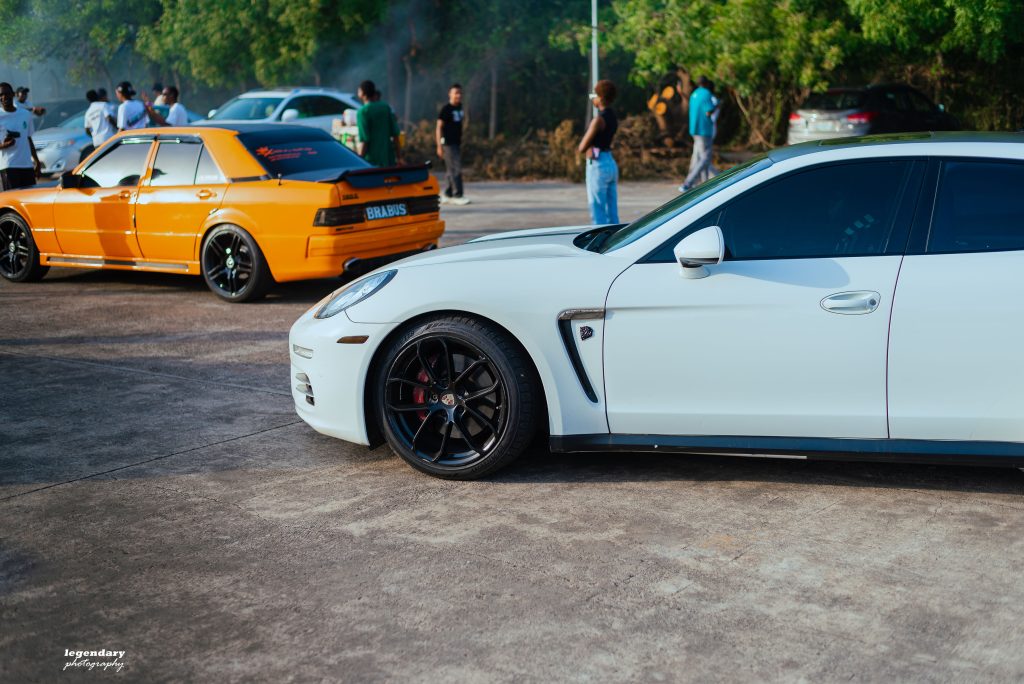
Communities such as the BMW Club Nigeria, Automobile Race Team Nigeria, etc, play a significant role in organising meets, rallies, and informal races, fostering a sense of community among car enthusiasts.
The influence of global motorsports, particularly Formula 1 and rally racing, is evident in Nigeria. Nigerian fans avidly follow international races, and local drivers aspire to compete on the world stage. The success of black drivers like Lewis Hamilton has inspired many young Nigerians to pursue motorsport careers.
I recently had the opportunity to speak with Ishaku Damiisa, an avid racer and member of an automobile club in Abuja. Ishaku shared insights into his experiences and the racing scene in Nigeria’s capital. He described how he got into racing about two years ago, initially attending drift events.
“I’ve always loved cars, but then I got into it like school years ago, ever since I never literally never stop going. It’s so like a drug that just tasted once.”
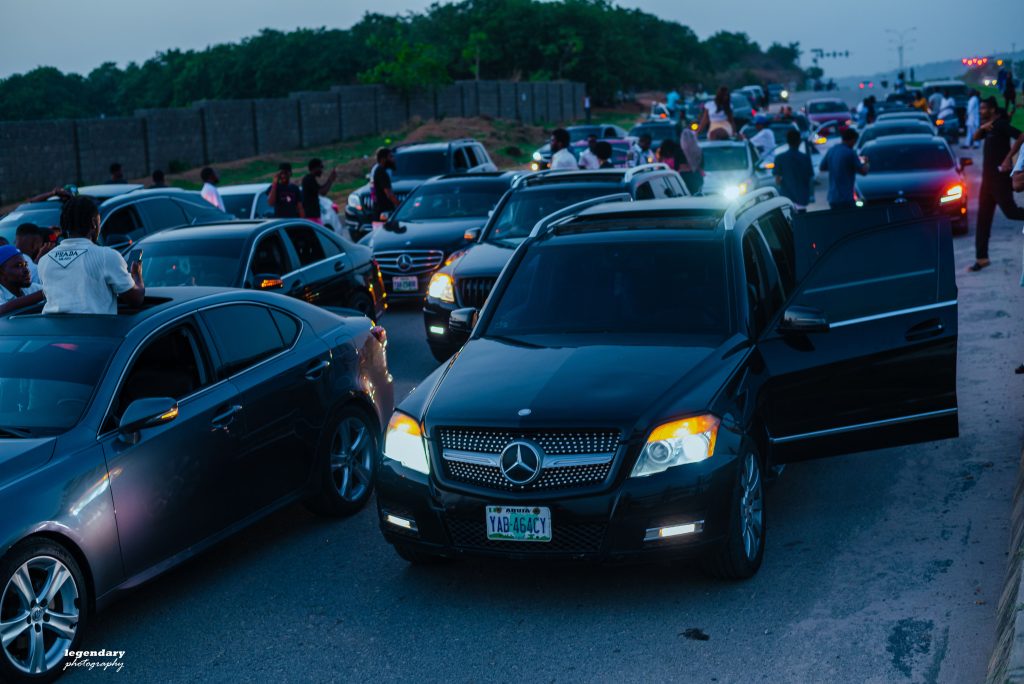
Formal motorsports are also gaining traction in Nigeria, with the establishment of organised racing events and circuits, such as the Nigerian Racing Eagle (NRE) and the Abuja Grand Prix. These efforts aim to provide a safe and controlled environment for racing while promoting motorsport as a legitimate and exciting activity. Ishaku noted that while drifting and drag racing are popular, there are also street racing events.
“Drifting is about your ability to turn your car in the same spot at a high speed, drag racing tests how fast the car is in a straight line.”
Despite its growing popularity, racing in Nigeria faces several challenges, including inadequate infrastructure, limited funding, and regulatory issues. Ishaku mentioned the need for more community engagement and safer practices to avoid the dangers associated with illegal street racing. “Normally, strict roads are blocked during events to ensure no bypassers’ lives are at risk,” he said.
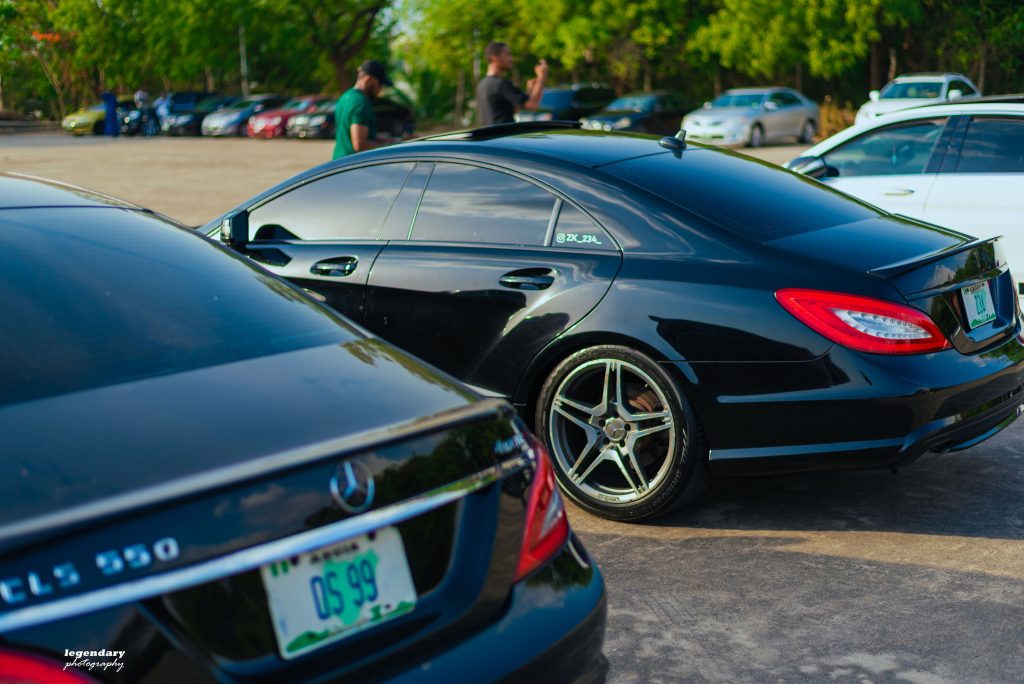
Racing culture in Nigeria is not just about speed; it’s also about identity, status, and community. High-performance cars are symbols of engineering prowess, success, and participation in racing events is a way to gain social recognition. The culture also fosters a sense of camaraderie among enthusiasts who share a common passion.
Ishaku highlighted the camaraderie among car enthusiasts in Abuja, mentioning car convoys and Sunday cruises where members drive together after a long week. “We just come out, have fun, go for little drives, and showcase our cars,” he said. Looking to the future, Ishaku expressed a desire for more organised and inclusive events.
“I wish for all the different car clubs to come together, it would be great to have a more unified racing community where everyone can participate and enjoy the sport.”

In summary, racing culture in Nigeria is a vibrant and diverse scene that reflects the country’s enthusiasm for speed and automobiles. With proper support and development, it has the potential to become a significant part of Nigeria’s sporting landscape.