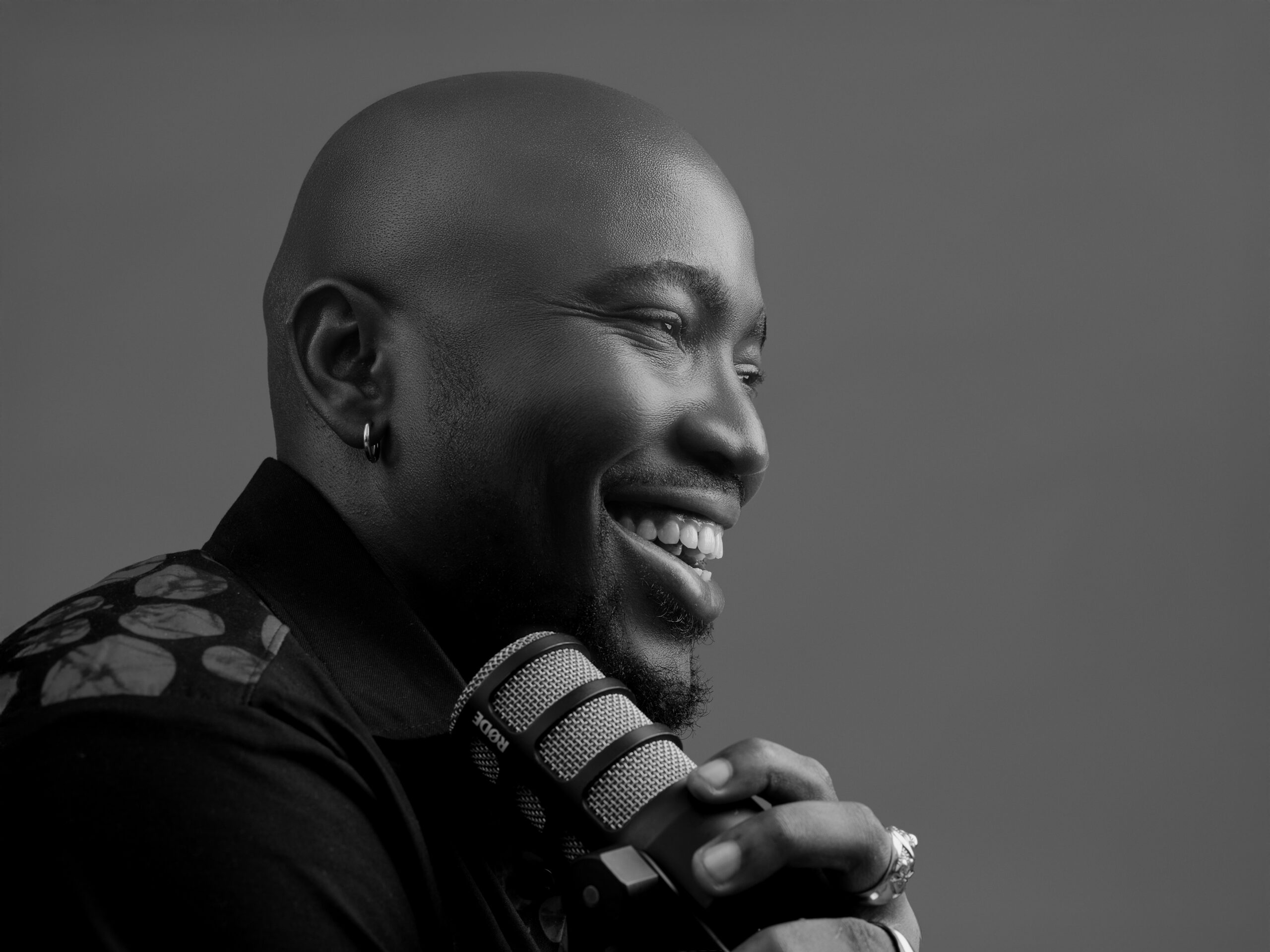
Joey Akan had a choice: use his savings to leave Nigeria or bet everything on a podcast about Afrobeats. He chose to stay, and that decision has shaped how the world understands Nigerian music today.
The journalist turned podcaster now runs ‘Afrobeats Intelligence,’ the premium show that’s become essential listening for anyone serious about African music. In partnership with OkayAfrica, Akan has created a platform that goes beyond surface-level celebrity interviews to explore the business, creativity, and culture driving Nigeria’s global musical moment.
The numbers speak for themselves. Over 800,000 views across six episodes in the latest season, with Season 4 already fully booked. But Akan’s real achievement is cultural. He’s documenting a movement in real time, preserving conversations with artists like Tiwa Savage, Bella Shmurda, and Odumodublvck that reveal the human stories behind the hits.
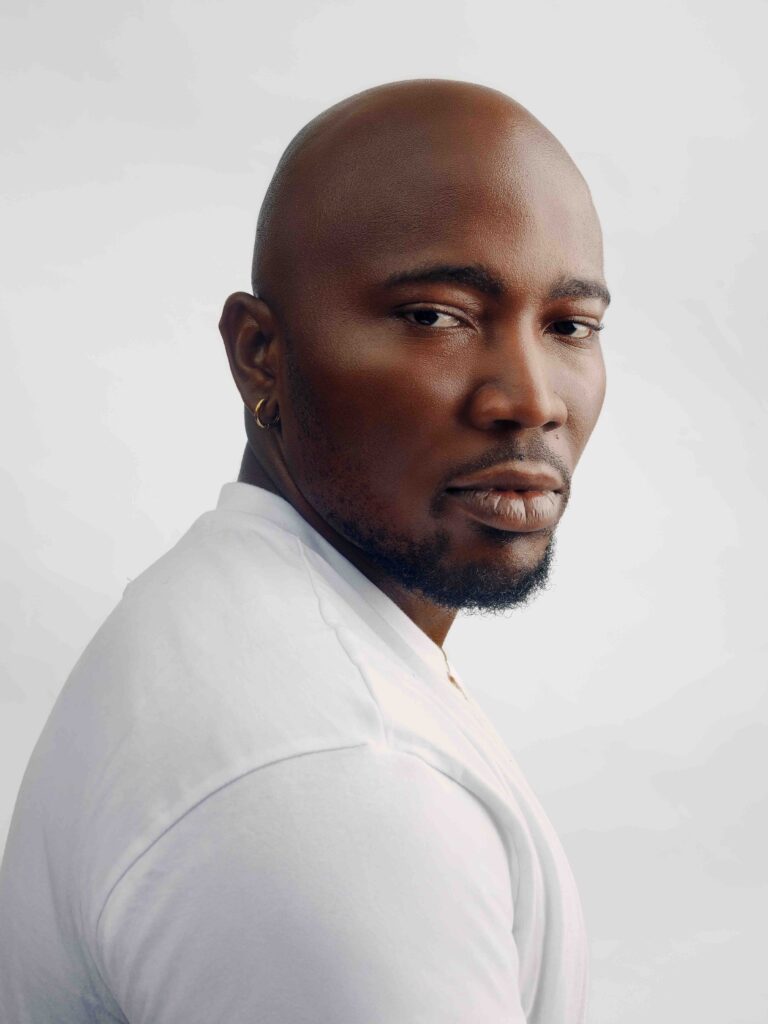
“Stories shape reality,” Akan says about his approach to interviewing. “That’s why I’ve always loved storytelling.” His conversations feel more like intimate discussions than traditional interviews, creating space for artists to reflect on their craft and place in the industry.
More Branches Editor-in-Chief, Nasir Ahmed Achile spoke with Akan about his journey from journalism to podcasting, the importance of archiving African music history amid a lack of collectivism, as well as what he’s learned from building one of the continent’s most influential cultural platforms.
You’ve made a transition from journalism to creating Afrobeats Intelligence. What is it about storytelling that speaks to you?
Think of the world as a collection of stories. Stories shape us. They educate, inspire, and entertain. Culture itself is just competing stories repeated across generations. Even how we perceive ourselves is built on the stories we tell ourselves. Someone who says “I’m going to win” is more likely to succeed than someone who says “I can’t do this.” Stories shape reality. That’s why I’ve always loved storytelling. And now, my stories focus on culture, on a generation of brilliant people and the music business that sustains them. Through storytelling, we preserve moments, pass down knowledge, and give future generations a map.
You’ve talked about being at a crossroads between emigrating or using your savings to start a podcast. What’s something about that decision we don’t quite know?
It wasn’t really a decision. It was more like an instinct. At the time, Afrobeats was blowing up globally, getting a second life. I saw how big that moment was. I understood the importance of documenting it. So I chose to stay and tell the story, even though the other option, leaving seemed more practical. I’ve never regretted it. Not for one day. Even though Nigeria has gotten harder, that decision still feels right. Look where we are now.
How do you feel waking up every day to do something you genuinely love?
I wake up like a cartoon character, spring out of bed, ready to go. This morning, the first person I spoke to was Olamide. That’s the kind of energy my life has right now. People call me “the bunny” because I’m always bouncing around. I recognize how rare this is, how much of a privilege it is to do work I care about and be supported while doing it. I’m grateful every single day.
With African music exploding globally, how important is archiving this moment for cultural value?
It’s critical. When I started digging into the history of Nigerian music 1960s, 70s, 80s. I found almost nothing local. Most of what’s available is archived outside Nigeria, like on the BBC. That lack of documentation means we’re blind to our own history. People scream “Afrobeats to the world!” today, but we’ve been there before. Sonny Okosun toured globally. Christy Essien performed internationally. The Mandators were signed as a potential replacement for Bob Marley on Island Records. But do most people know that? No. Because we didn’t document it. We lose lessons when we don’t archive. Archiving helps us avoid repeating mistakes. it’s like a time capsule, a way to return and understand what shaped us. That’s the role Afrobeats Intelligence plays.
What stands out to you most about this moment in Afrobeats?
The lack of collectivism. Our biggest wins have always been individual. But no industry survives on individual wins alone. We need to function like a community. Support each other, collaborate, create frameworks. There have been attempts, like LLP (Label Licensing Partnership), but they often fall apart due to ego and self-interest. The industry is getting ripped off, CRBTs (Caller Ring Back Tones) took 90% of artists’ earnings at one point. We didn’t unite to push back. That’s the danger of individualism. We need unions, associations, shared platforms, and a stronger collective spirit. It’s the only way forward.
Why do you think your partnership with OkayAfrica works so well?
Because it was love at first sight. OkayAfrica was the first non-Nigerian platform I wrote for when I started working internationally. My editor back then is now part of the Afrobeats Intelligence team. We’re aligned in purpose. OkayAfrica amplifies the best of the continent, and Afrobeats Intelligence does the same. There’s also a strong business case. If you tell the best stories in the best format, the economics eventually follows. So it works on all levels creatively, personally, and commercially.
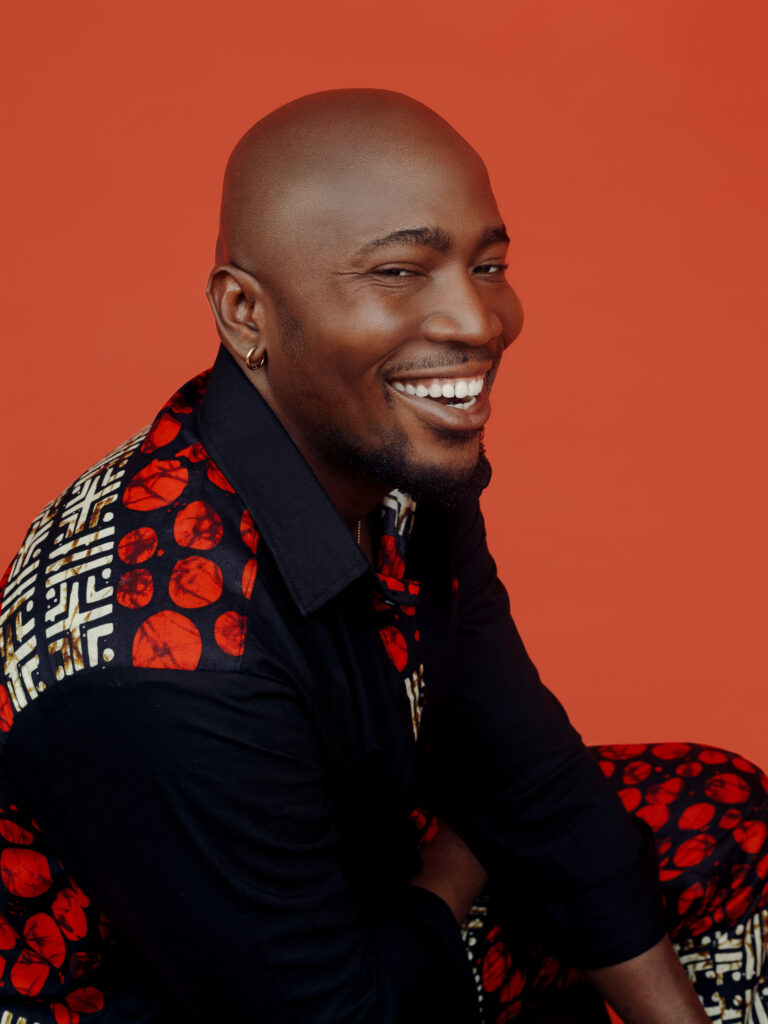
The Donawon episode gained a lot of attention, especially what he said about stream values. Do you think there’s a bigger conversation to be had around the economics of streaming in Nigeria?
Absolutely. Yes, our currency is weak, and that affects the value of Nigerian streams. But before we even talk about raising that value, we need to fix the real problem: Nigerians don’t pay for music. We’re not even putting money in the pot. If 75% of our young population paid for streaming subscriptions, artists would have leverage. Until then, talking about stream value is premature. First, we need to get people paying. That’s step one.
How do you consistently capture the essence of your guests on the show?
I see people. I really see them. I don’t go in with a script. I do deep research, but I don’t write down questions. I meet people where they are. Interviewing is like dancing. You find a rhythm, and when people enjoy the conversation, they want to keep going. I respect my guests’ stories. That respect creates safety and openness. Like with Bella Shmurda, I told him I didn’t want an interview. I just wanted to talk. We ended up discussing spirituality and creativity. With Tiwa Savage, we explored the personal side of her journey to dominance. That’s what makes these conversations special. I don’t just ask questions, I listen.
What kind of universe is Afrobeats Intelligence shaping up to be?
A very exciting one. We’ve proven we can create a premium, impactful product. Now we’re exploring spin-offs. Maybe a Joey x Donawon 3-part series. Maybe a Davido documentary podcast while touring. There’s so much we can do. The world is opening up to us. And I’m grateful. We promised we’d do this right, and now it’s growing, expanding, evolving.
What do you hope African creatives take away from your journey and from Afrobeats Intelligence?
That being a specialist is valuable. You don’t need to chase trends. In a fragmented world, there’s real power in focus and passion. I found my niche talking about the process and business of music and built something culturally relevant out of it. There’s value in documenting, in going deep, and in sticking to what you love even if it takes a while. There’s a path here if you’re willing to stay the course and suffer for your vision.
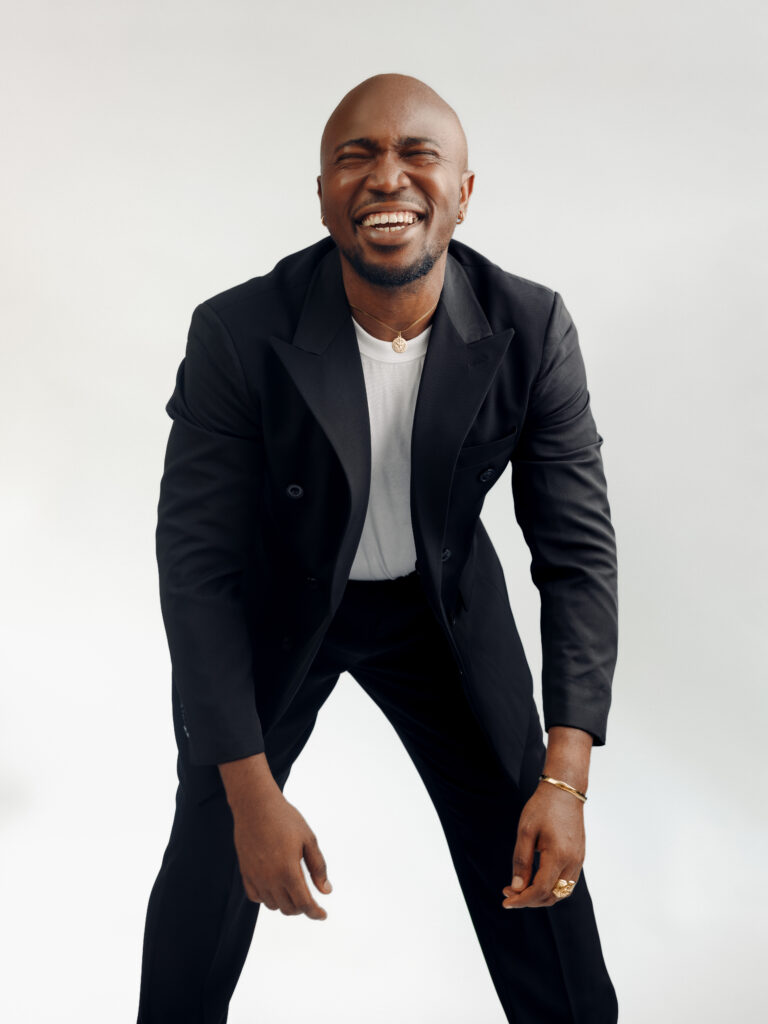
You’ve formed deep relationships in the industry. Which one was the most serendipitous?
Odumodublvck. People had sent me his stuff for years; this wild voice from Abuja, yelling into a mic and curating street culture in his own way. When he finally broke through and we met, it was instant synergy. Later, I realized he’d attended a masterclass I gave in Abuja back in 2018. So the connection ran deep. He’s come through for me, like showing up for the live event on short notice. It’s a beautiful relationship. His story mirrors mine in many ways.
How do you feel about the reception to the new season of Afrobeats Intelligence?
It’s been overwhelming, in the best way. In January and February, I went around the industry telling everyone, “I’m opening my home. Come and let’s talk.” In March, we recorded nonstop. People took it seriously. Timaya came dressed like it was a gala. The love has been massive. We’re overbooked, overpitched, and even now without recording anything yet, Season 4 is fully booked. And the numbers? Over 800K views across just six episodes. It’s deeply fulfilling.
Final thoughts? Anything we missed?
Just that we’ve shown there’s real value in telling our own stories. Archiving the spirit of this time, of our pop culture moment matters. Not just for entertainment, but as historical proof. Afrobeats Intelligence is growing fast, and I’m grateful to OkayAfrica for believing in it. The trajectory is beautiful. We’re building something real here, and the world is paying attention.