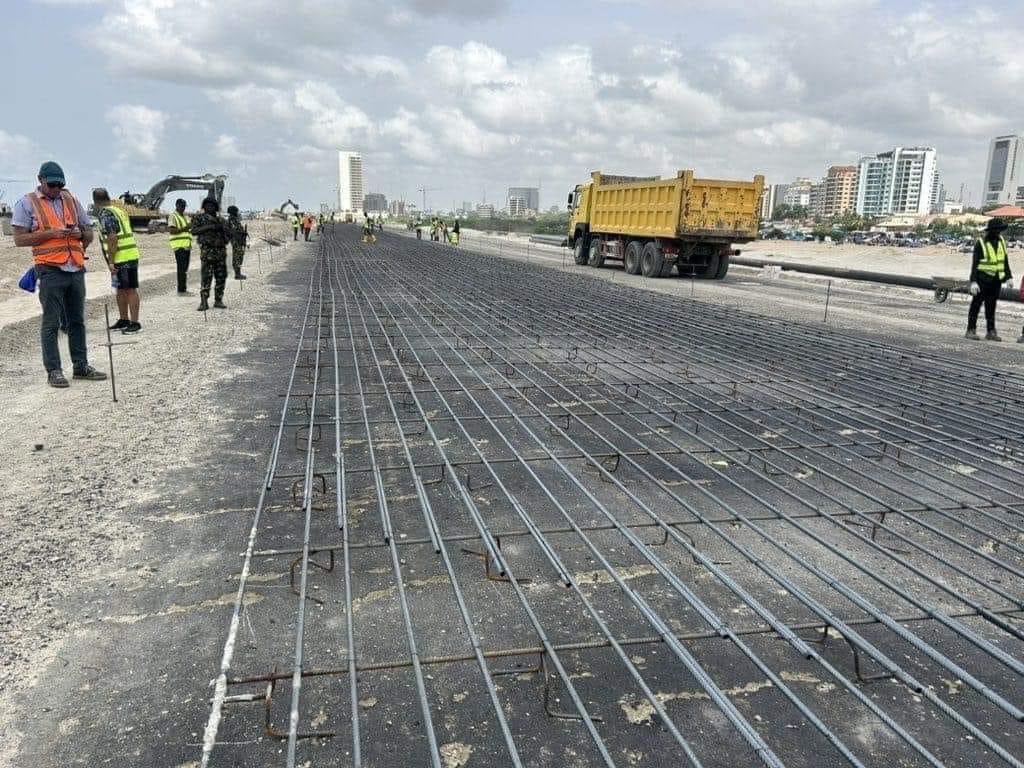
The Federal Government of Nigeria has decided to abandon the proposed realignment of the Lagos-Calabar Coastal Highway.
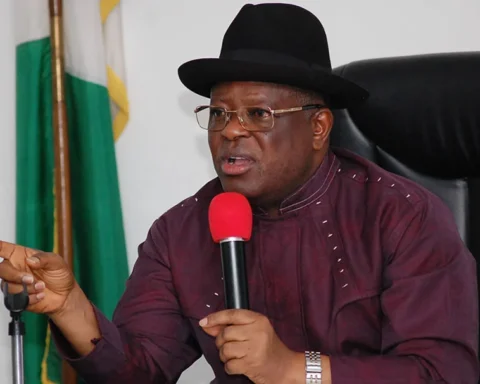
This decision was disclosed at the 3rd Stakeholders Meeting in Lagos, where Minister of Works Dave Umahi confirmed that the planned diversion would no longer occur due to the presence of submarine cables along the coastline.
Umahi also announced that the Environmental Impact Assessment (EIA) would not be available at this time, citing Section 15(b) of the Freedom of Information Act to justify withholding certain information from the press and public. This section allows government institutions to deny access to third-party information.
The announcement follows warnings from telecommunication companies about potential network outages if the diversion were to proceed. The government has decided to avoid actions that would affect internet connectivity and lead to the demolition of ancestral homes in the Okun-Ajah community.
In a video posted by journalist Laila Johnson-Salami, members of the Okun-Ajah community praised the Tinubu-led administration for deciding not to use the controversial route. Despite previous demolitions affecting private beachfront businesses, including LandMark, the government is now considering alternatives to ensure the continuation of the Lagos-Calabar Coastal Highway.