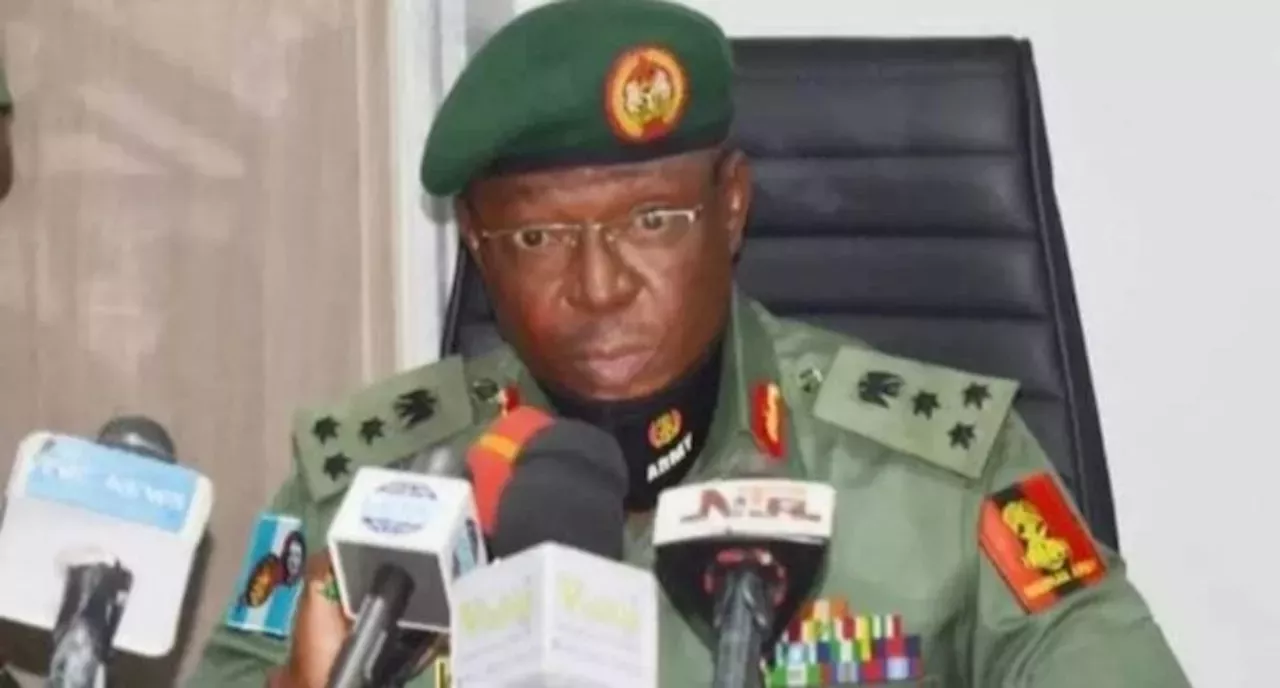
The Nigerian Army has cleared Colonel Ishiaku Abdulkareem of allegations of sexual harassment made by ex-Private Ruth Ogunleye, a former female soldier who accused the senior officer of persistent harassment, intimidation, and retaliation. The military, after an internal investigation, dismissed Ogunleye’s claims and discharged her from service on medical grounds. The outcome of the investigation, however, brings to light broader trends of sexual misconduct in the military and the tendency for such cases to be dismissed under questionable circumstances.
In January 2024, Ruth Ogunleye went public with a series of allegations against three senior officers of the Nigerian Army, identified as Col. IB Abdulkareem, Col. GS Ogor, and Brig. Gen. IB Solebo, accusing them of sexual harassment, intimidation, and threats to her life. Ogunleye claimed that her ordeal began when she rejected sexual advances from Colonel Abdulkareem at the Cantonment Medical Centre in Ojo, Lagos. She further alleged that after refusing his advances, Abdulkareem retaliated by denying her promotions, rejecting her pass requests, and forcibly evicting her from her residence, confining her to a psychiatric hospital under false pretences.
These accusations were shared on TikTok and gained widespread attention and sparked public outrage, leading the Nigerian Army to launch an investigation.
Following a probe by the Nigerian Army Corps of Military Police, Army spokesperson Major General Onyema Nwachukwu announced that the investigation had found no evidence to substantiate Ogunleye’s claims. Nwachukwu stated that Colonel Abdulkareem had acted within the military’s standards of discipline and integrity, and the allegations of sexual harassment were deemed baseless.
The Army also addressed Ogunleye’s discharge, explaining that she had been recommended for medical discharge in 2022 due to concerns about her mental health. However, the Army chose to retain her for further medical treatment before formally discharging her in June 2024. Nwachukwu revealed that a medical evaluation conducted by the National Hospital in Abuja confirmed Ogunleye’s deteriorating mental health.
In light of her medical condition, the Army decided not to proceed with disciplinary action against her and opted for a compassionate discharge. Ogunleye, though having served less than 10 years, will receive 50% of her monthly pension for life, along with additional payments including her Terminal Leave Allowance and other service-related benefits.
A Recurring Pattern?
Lance Corporal Nnamoko reported assaults through her time in the military in 2010, 2018 and through 2022. The allegations were that after rejecting sexual advances from her superiors, she was subjected to beatings and confinement in a psychiatric hospital, mirroring Ogunleye’s experience. Former Air Force Officer, Beauty Uzezi who was dismissed in 2023 also made allegations of being brutally raped by a superior officer.
While the Army has cleared Colonel Abdulkareem, his case fits into a broader, disturbing pattern of sexual misconduct allegations within the Nigerian military—many of which are rarely resolved in favor of the victims. All these cases highlight how the military often operates as a “boys’ club” where male officers protect one another, leaving female officers vulnerable to harassment, assault, and retaliation.
This pattern points to a military environment where cases involving the harassment or assault of female soldiers are either ignored or dismissed on the grounds of mental instability, as seen in both Ogunleye and Nnamoko’s case. The Army’s frequent use of “mental health” as a defense against allegations of harassment has raised questions about whether this is just a convenient strategy to undermine the credibility of female officers.
Many human rights organizations have criticized the Nigerian Army’s handling of sexual misconduct cases, arguing that the military fosters a culture of impunity where senior officers are rarely held accountable for their actions.
The Nigerian Army’s decision to exonerate Colonel Abdulkareem may bring a temporary closure to this particular case, but it does little to address the broader issues of gender-based violence and harassment that persist within the military. While the Army has positioned itself as a disciplined, professional force, cases like Ogunleye’s, Nnamoko’s, and Uzezi’s reveal a deeply ingrained culture of impunity and a lack of accountability when it comes to protecting female soldiers.