In Nigerian literary tradition, queerness or homosexuality was often dismissed, ridiculed and/or belittled by the archetypes of queer people within the fabric of our society. This can be clearly demonstrated through characters like Joe Golder in Wole Soyinka’s The interpreters. Golder’s character is mixed race with a questionable sexual history which depicts his homosexuality as perverse and predatory.
Though the novel was set in the 1960’s, it is reflective of the socio-political climate of Nigeria in its post-independence and pre Biafran civil war era. Infected by prejudices which have trickled down to today and resulted in discriminatory laws like the Same Sex Marriage Prohibition Act of 2014.
Signed into law by Nigeria’s former president, Goodluck Jonothan it not only prohibits marriage or civil partnership between people of the same sex. It also forbids any forms of public affection and effectively criminalises LGBTQ people based on their sexual orientation and gender identity.
Though the bill was not passed until 2014, since its introduction in 2006 many prominent writers in the Nigerian literary community began to speak out against it and introduce more sympathetic queer characters. A great example of this is in Chimamanda Adichie’s collection of short stories The Thing Around Your Neck with 3 of the stories (On Monday Last Week, Jumping Monkey Hill and The Shivering) directly treating the complexities of queer desire.
Throughout this list, you will find a chronology of the evolution of queer representation in Nigeria and the diversity of its literary expression.
The Interpreters, Wole Soyinka (1965)
One of Soyinka’s three published novels, The Interpreters is set in 1960’s Nigeria. Struggling through the establishment of independence from British colonial rule and on the precipice of civil war, the novel chronicles five main characters: Egbo, Bandele, Sagoe, Sekoni and Kola. Though it cannot be described as a queer novel, it depicts the character of Joe Golder who is arguably one of the most well-known gay characters in African literature.
Joe is an emblem of the traditional representation of homosexual characters that appear in African literature. Described as heavily influenced by the west and display predatory, depicting homosexuality in Africa as perverse and unnatural. Critics argue that Soyinka does not challenge or push the boundaries of the restricted and predictable stories available for queer characters in African literature but Joe acts as an important benchmark for the evolution of the description of queer African experiences.
Graceland, Chris Abani (2004)
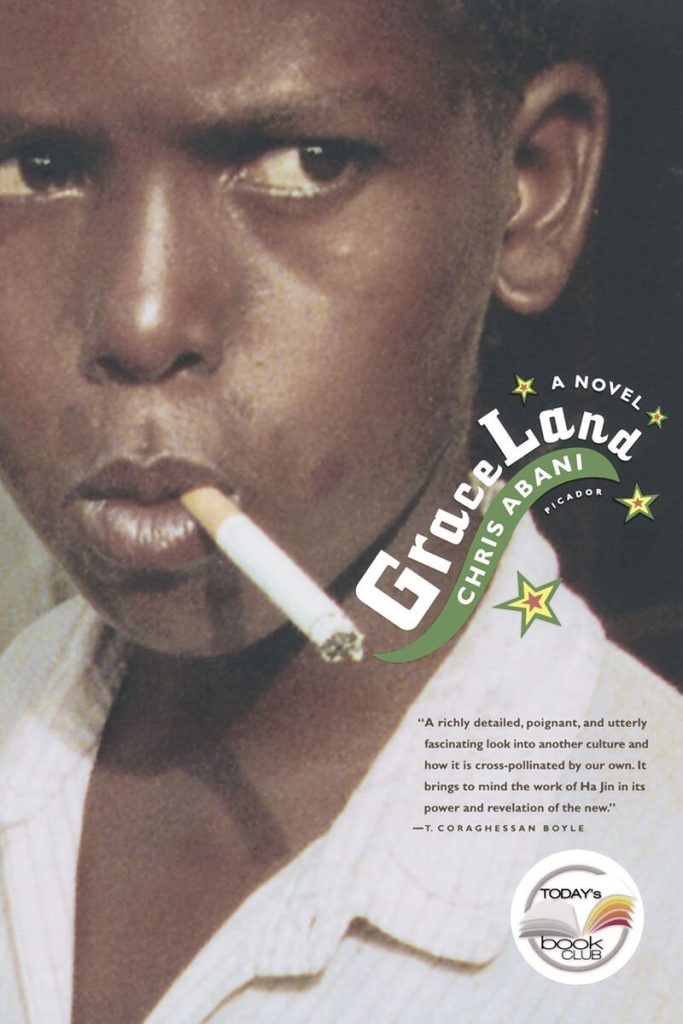
The novel spans across 1972 and 1983, starting just two years after the end of the Biafran civil war. Graceland maps the formative years of the protagonist, Elvis and chronicles Elvis’ discovering his identity. The novel demonstrates how Elvis’ individuality and self-expression was thwarted at the hands of his hyper-masculine father who enforced rigid gender norms of which he did not subscribe to. In doing so, he begins cross-dressing and becomes a way for Elvis to free himself from the rigid gender norms imposed on him by paternal figures in his life. Elvis also struggles with his sexuality but Abani’s depictions of Elvis’ homosexual interactions are mostly marked by violence and a lack of consent. This replicates the queer trauma often found in Nigerian literature about queer characters.
Walking with Shadows, Jude Dibia (2005)
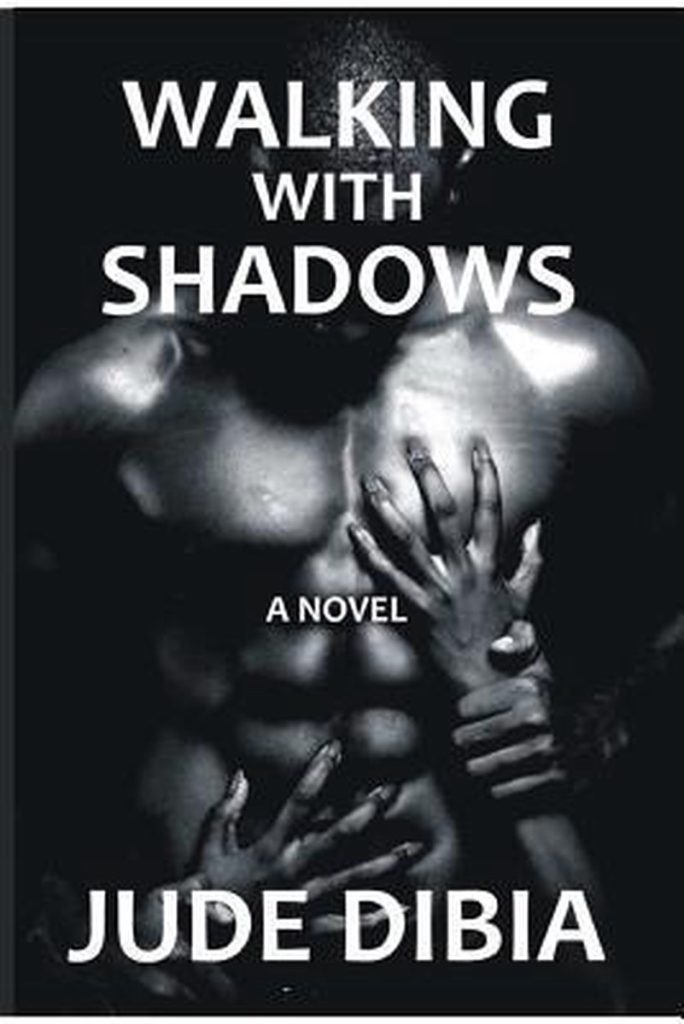
Praised as one of the first west African novels to feature a positive portrayal of a male gay character. Walking with Shadows explores themes of sexuality, identity and the respectability politics ingrained within Nigerian society. The novel follows Adrian Njoko, a successful businessman married with children as he struggles to face not only his sexuality, but the impact of it on his family, future and place in society.
Dibia takes the reader through the internal conflict of your inner truth and external pressures. In doing so, he allows the reader to question the wider effects of the dehumanisation and demonisation of homosexuality in Nigerian society. Dibia also brings forward the question of resistance. This could be depicted by Adrian’s resistance to his inner truth, but Adrian’s story depicts how the queer experience is marked by resistance.
Lagoon, Nnedi Okorafor (2014)
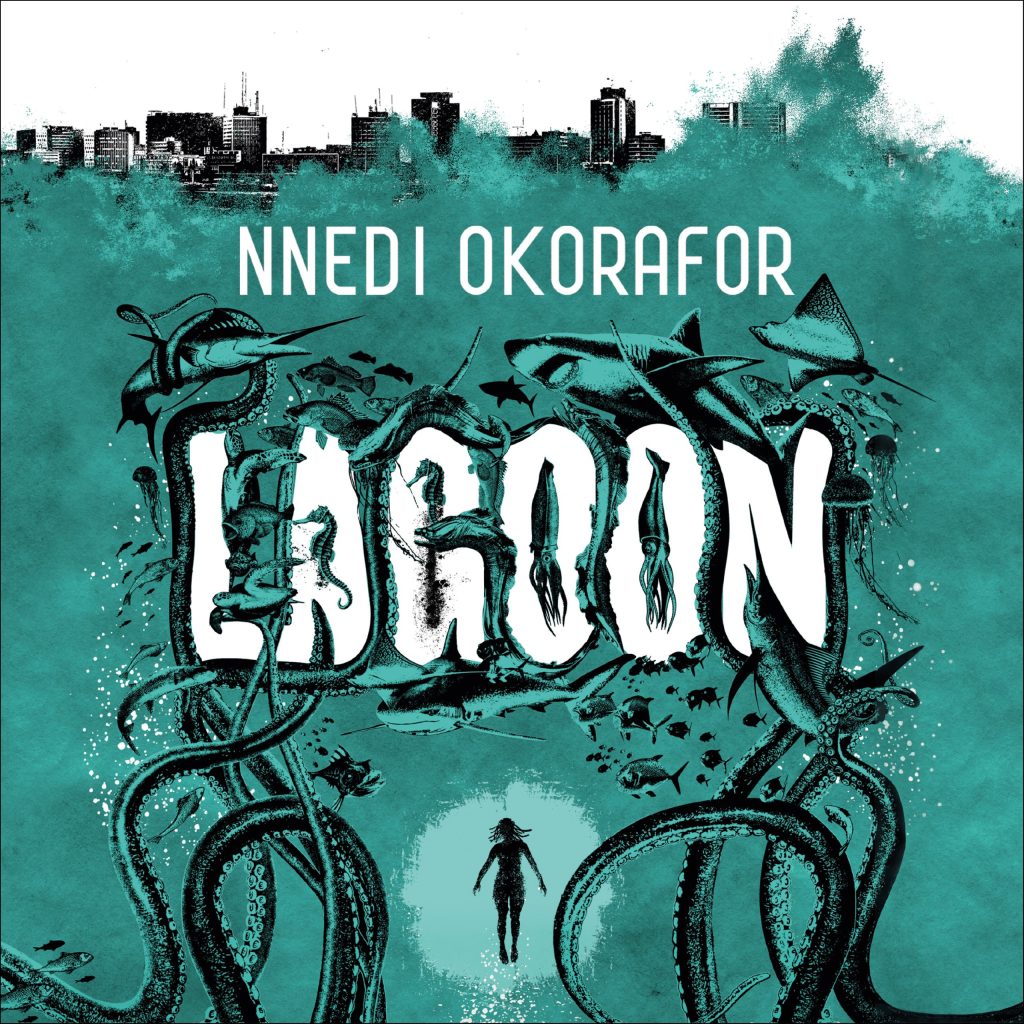
“Lagoon,” is an Afrofuturist novel set within an alien invasion in Lagos with themes of queer identity subtly interwoven into the larger narrative. The novel features diverse characters, including a transgender woman, who confront both extraterrestrial and human prejudices. This inclusion broadens the scope of representation, showing the intersection of queer identity with broader societal and fantastical challenges, and emphasizing themes of transformation and acceptance.
Fimí sílẹ̀ Forever by Nnnann Ikpo (2017)
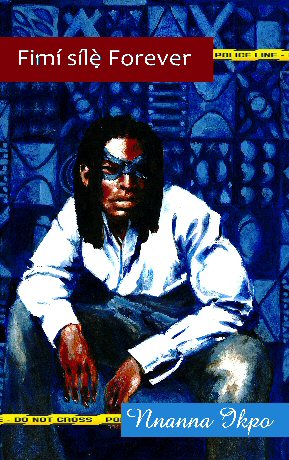
“Fimí sílẹ̀ Forever” delves into the complexities of queer identity in Nigeria, focusing on the experiences of a gay man navigating societal and familial expectations. The novel explores themes of love, secrecy, and acceptance, depicting the protagonist’s struggle to reconcile his identity with the world around him. It emphasizes the courage required to live authentically in an intolerant society.
The death of Vivek Oji by Akwaeke Emezi (2020)
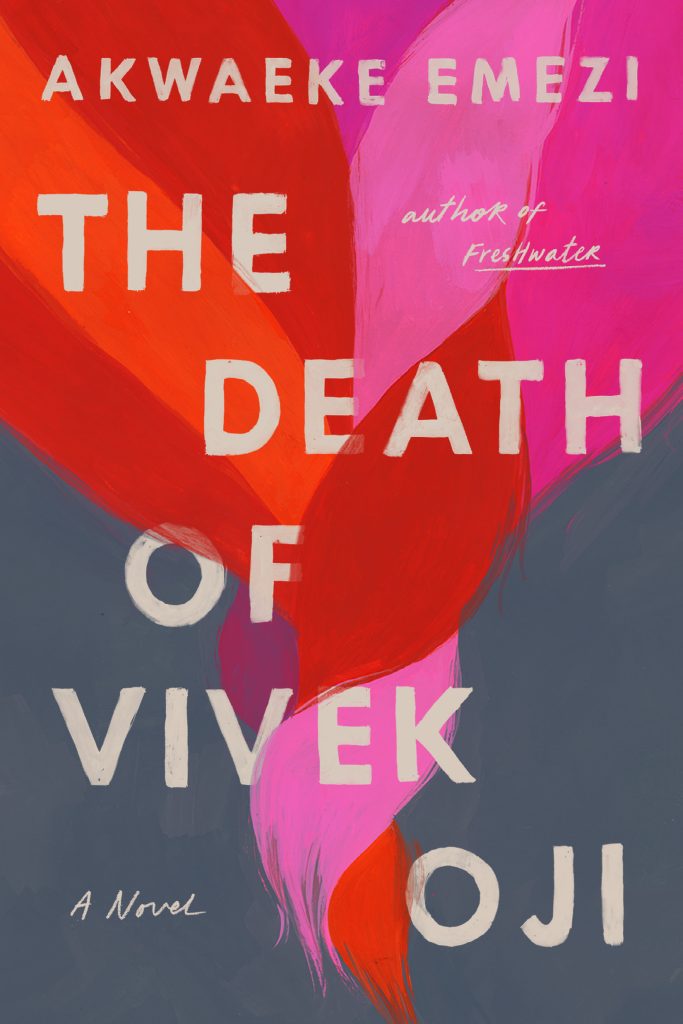
In “The Death of Vivek Oji” by Akwaeke Emezi, queer identity and sexuality are pivotal to the narrative, shaping Vivek’s life and relationships. Vivek grapples with his fluid gender identity and sexual orientation in a conservative Nigerian society, facing internal conflict and societal pressure. His death reveals hidden aspects of his life, prompting other characters to confront their biases.
The support of a close-knit group of friends offers Vivek a sanctuary of acceptance. Familial relationships, particularly with his mother, evolve from confusion to acceptance, highlighting the potential for love to overcome prejudice. Set against the backdrop of Nigerian culture, the novel explores the intersection of queer identity with cultural norms, revealing the impact of colonialism on gender and sexuality. Overall, the book is a poignant exploration of acceptance, community, and the dangers of societal intolerance towards queer individuals.
An Ordinary Wonder by Buki Papillon (2021)
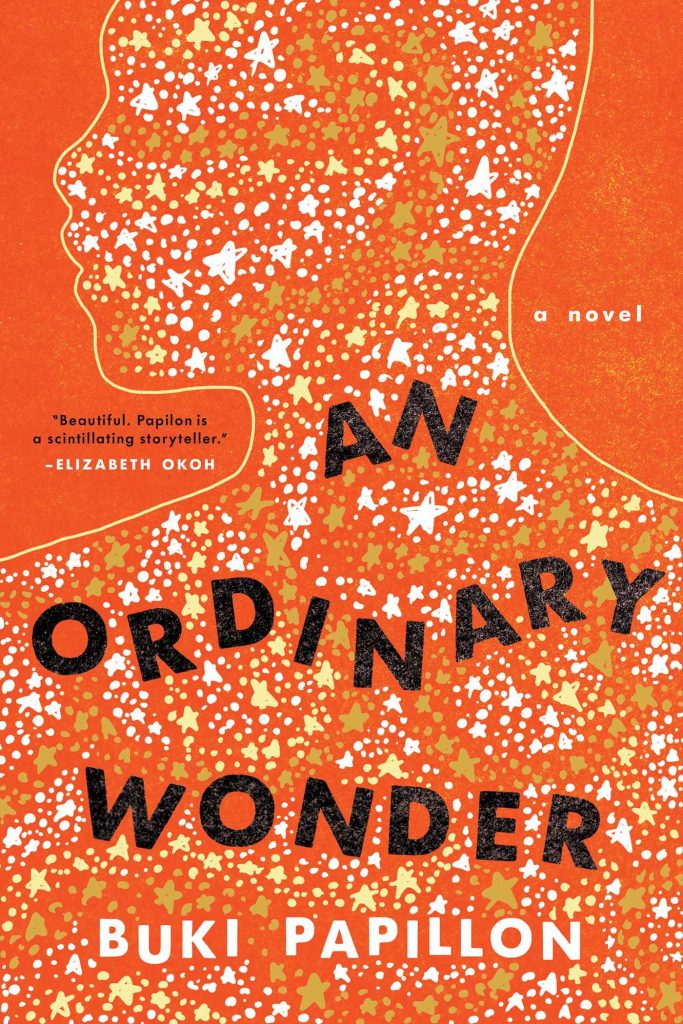
“An Ordinary Wonder” follows the story of Oto, an intersex child in Nigeria, navigating a path to self-acceptance amid familial and societal pressures. The novel explores themes of identity, secrecy, and resilience, offering a powerful commentary on gender norms and the struggle for acceptance in a conservative society.
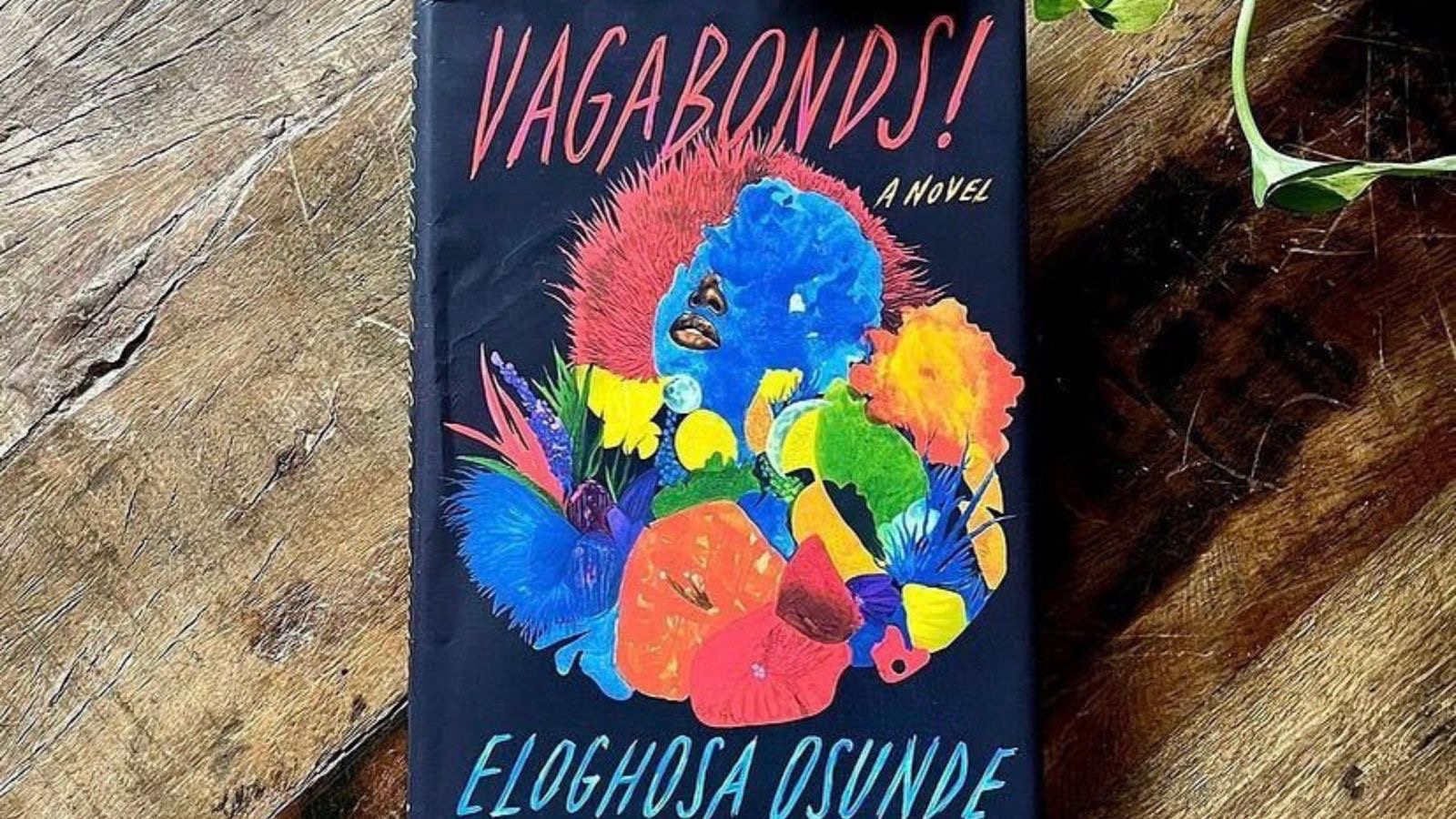
Vagabonds! By Eloghosa Osunde (2022)
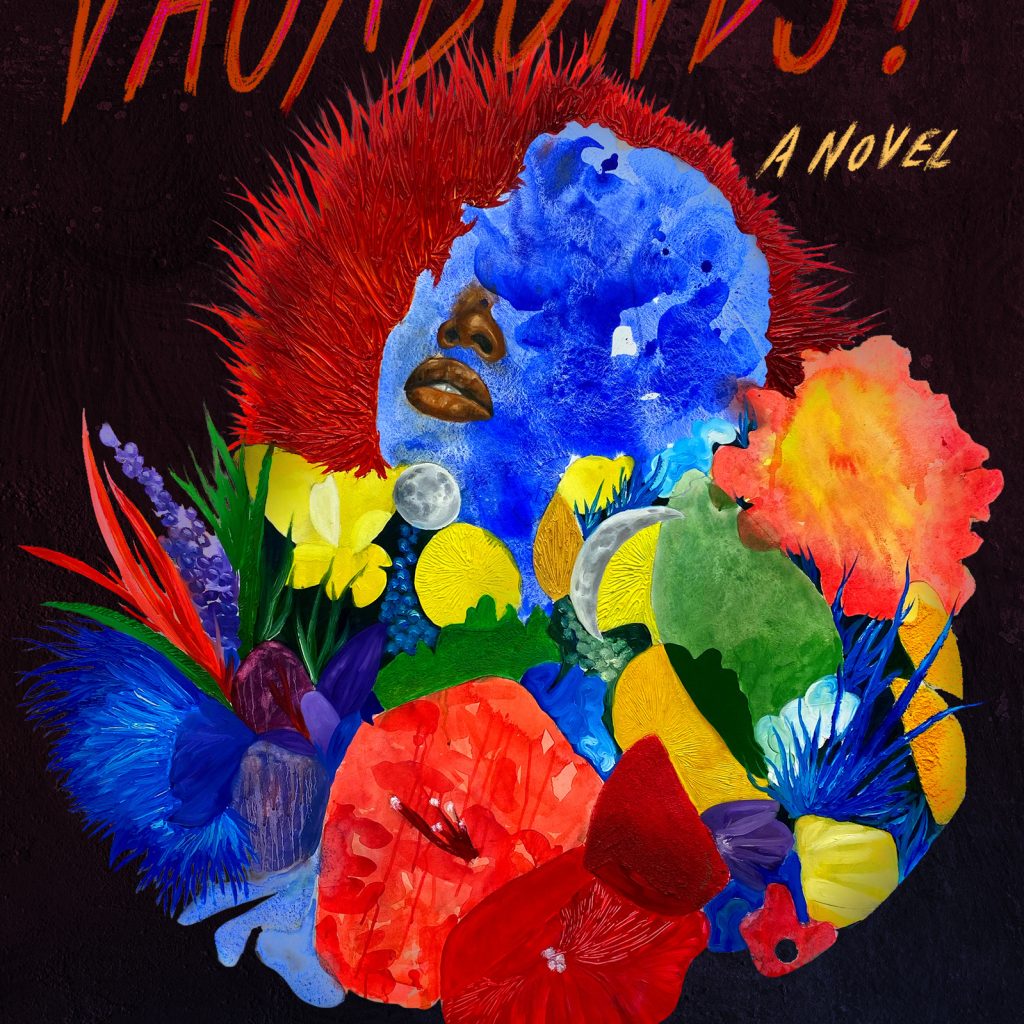
“Vagabonds!” presents a vivid portrayal of queer life in Nigeria through interconnected stories of marginalized individuals, including LGBTQ+ characters. The novel captures their resilience and defiance against societal norms, exploring themes of identity, belonging, and resistance. It paints a rich tapestry of Lagos, highlighting the vibrancy and struggles of its queer community.
And then he sang a Lullaby by Ani Kayode Somtochukwu (2023)
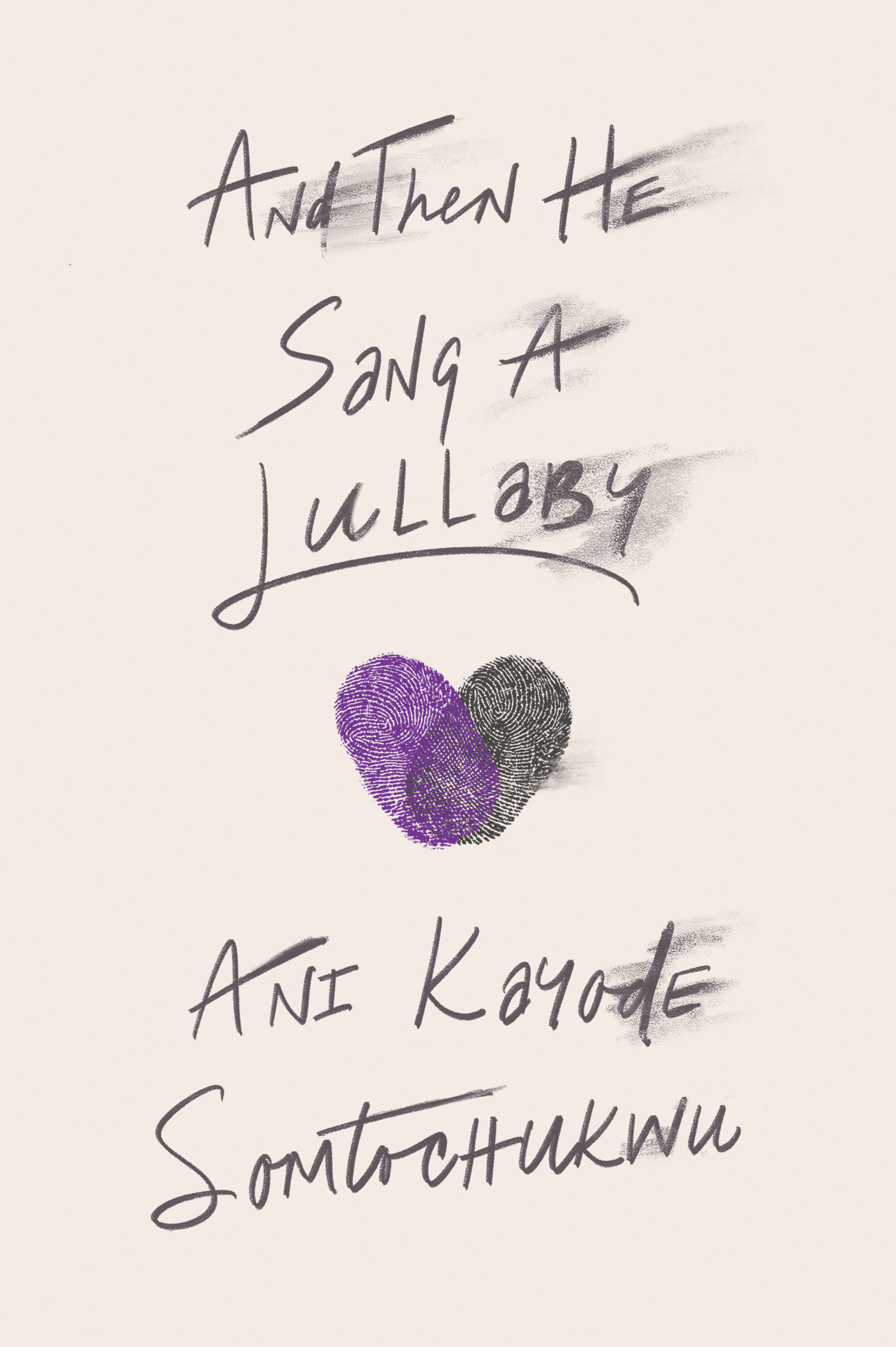
“And Then He Sang a Lullaby” explores the love story between two young men in Nigeria, set against a backdrop of societal intolerance and familial expectations. The novel delves into the characters’ emotional journeys, highlighting themes of love, secrecy, and the quest for acceptance. It poignantly addresses the impact of societal pressures on queer relationships.
Blessings by Chukwuebuka Ibeh (2024)
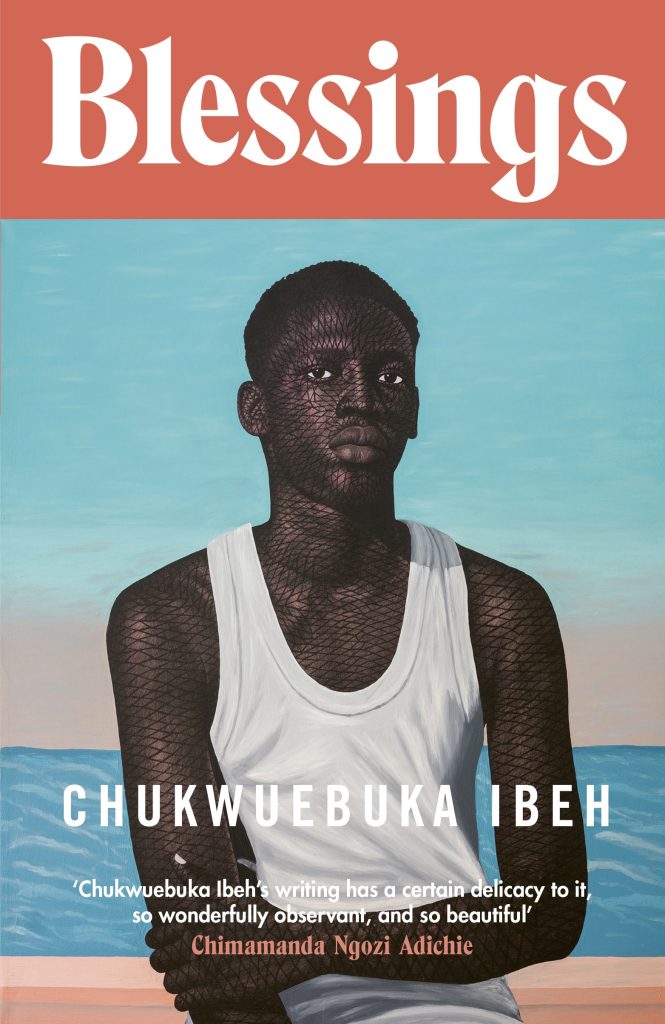
“Blessings” centres on the story of a young gay man in Nigeria, exploring his struggles with identity, love, and societal rejection. The novel delves into the character’s internal conflict and the external pressures of living in a conservative society. Through his journey, themes of self-discovery, acceptance, and the clash between tradition and modernity are poignantly portrayed.