
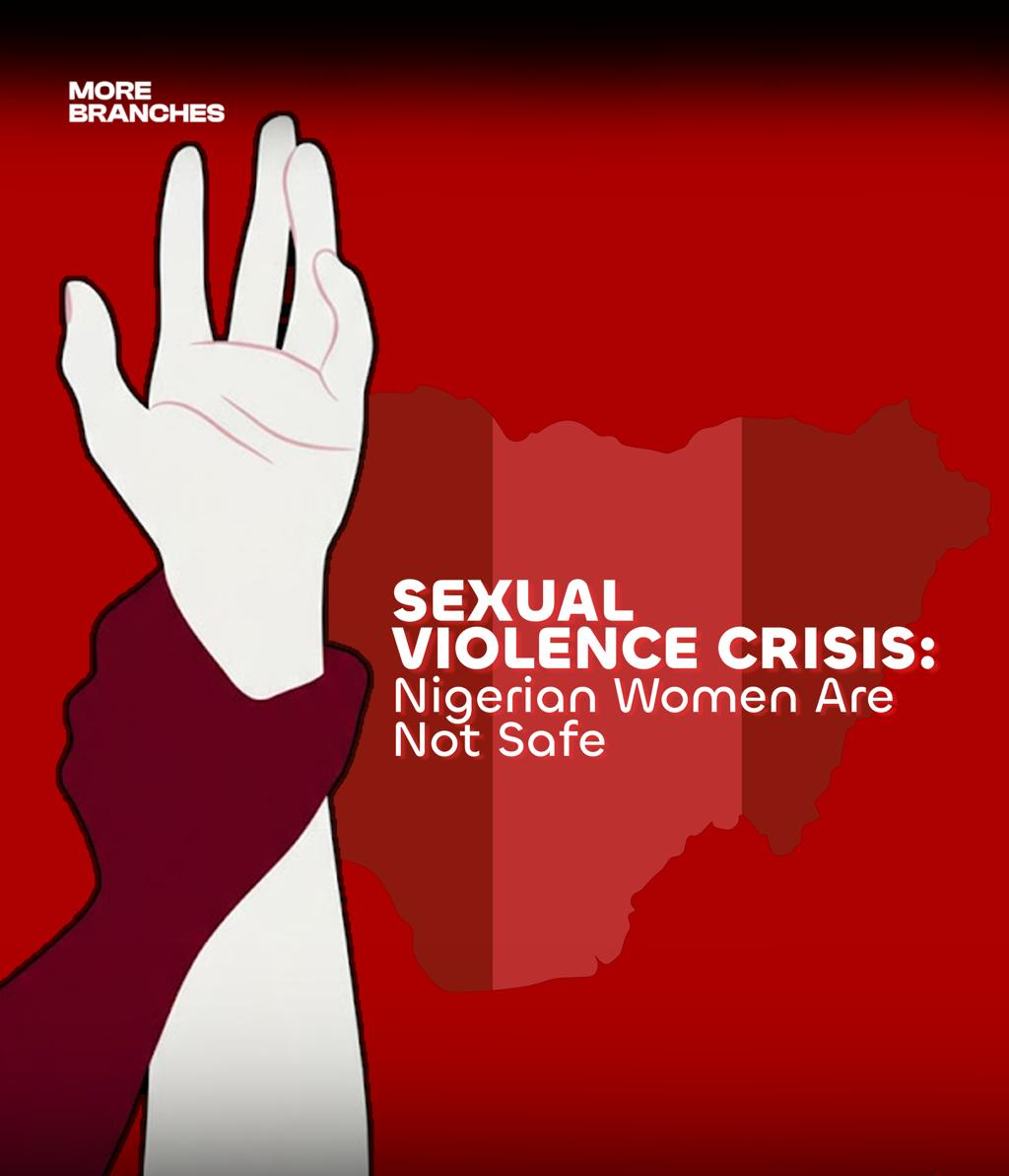
What does it mean to move through life knowing your safety is never guaranteed? To plan your future, pursue your goals, and build relationships while calculating risk in every space you enter. For many women, vigilance is learned early, and it is exhausting. How long should fear be a normal part of womanhood?
Key figures:
• 2018: 31% of Nigerian women (15–49) experienced physical violence, 9% sexual violence, 4% experienced sexual violence before age 18.
• 2024: SARC Kaduna recorded 3,977 sexual and gender-based violence (SGBV) cases.
• 2019–2023: Lagos State reported 24,009 cases of gender-based violence.
Recent Trends
• Jan–Sep 2025: The Federal Government recorded 10,326 GBV cases.
• NBS data: Women who were rape victims rose from 48% (2021) → 65% (2022).
• Awareness of GBV programs dropped to 41%, a significant decline from previous years.
Recent Incidents
Recent cases highlight recurring patterns:
- A model invited for a photo shoot attended with a friend, and both were reportedly sexually assaulted in turns after discovering it was a trap.
- A TikTok creator publicly stated that a stranger entered her home, assaulted her, and later continued to send disturbing messages.
- A mother shared that her 4-year-old daughter was allegedly assaulted by her husband; despite reporting to the police, she says there has been little progress.
Justice Gap
• Tap Initiative (reported by Guardian Nigeria, 2024):
• Only 23% of documented rape cases result in arrest.
• Only 1% lead to conviction.
“Survivors face both trauma and systemic barriers to justice.”
After a Sexual Assault — What to Do & What Not to Do
What to Do
• Get to a safe place immediately.
• Seek medical attention as soon as possible; hospitals can collect forensic evidence.
• Preserve evidence: Keep clothes, do not shower, and avoid washing hands or brushing teeth if possible.
• Reach out to someone you trust: Family, friends, or a trained counselor.
• Report to authorities or support centers: SARCs, NHRC, or local police.
• Document what happened: Write down details as soon as you can. (keep screenshots, pictures, audio, and video recordings)
What Not to Do
• Do not blame yourself; the assault is never your fault.
• Do not destroy evidence (e.g., shower, change clothes, wash items).
• Do not stay isolated; seeking help is critical.
• Do not delay reporting if you plan to pursue legal action.
Call to Action
- Support survivors: Listen, believe, and direct them to credible organizations.
- Report safely: Contact SARCs, Women’s Rights NGOs, or NHRC.
- Educate communities: Awareness campaigns and preventive programs save lives.
- Demand accountability: Push for arrests, convictions, and systemic reforms.
- Volunteer at Sexual Assault Referral Centres (SARCs) to support victims