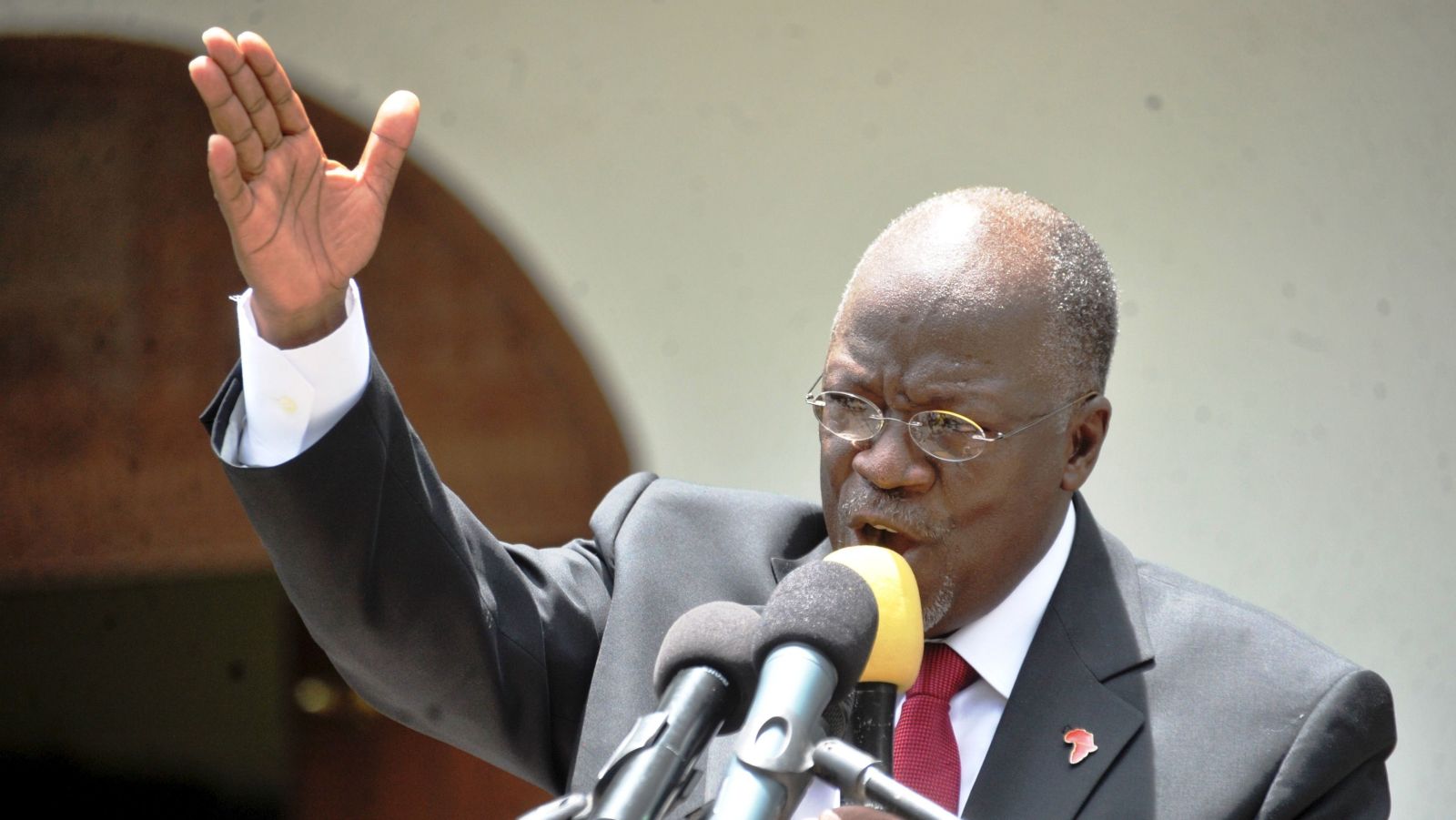
Remeber when we reported that Tanzanian bloggers will have to start paying the government over $930 USD annually for a license? Well, yesterday the new regulation went into effect yesterday when the government ordered all unregistered bloggers and online forums on Monday to suspend their websites immediately or face criminal prosecution. Digital rights activists and organizations argue that the move by President John Magufuli is a repression on the fundamental franchise of citizens in the country, but Tanzania Communications Regulatory Authority (TCRA) has warned that it would take legal action against all unlicensed websites. Meanwhile a whistle-blowing forum – Jamiiforums (fondly called Swahili Wikileaks), already shut down online operations claiming that it is staying off threats from the ombudsman.
Users could not create posts, comment on threads, or check inbox messages and alerts on Jamii as of this afternoon (June 11). “We are saddened that we are forced to take this sudden action, but we hope that as our users you will be patient during this period,” the management said in a statement written in swahili.
Regulations passed in March made it compulsory for bloggers and owners of other online forums such as YouTube channels to register with the government and pay up to $900 for a license. Per capita income in Tanzania is slightly below $900 a year, AfricaNews reports.
The new laws, whose wordings and definitions are described by analysts as ambiguous, will likely be an obstacle for most bloggers and small-sized outlets in Tanzania. In early May, there was a reprieve after human-rights watchdogs, media organizations, and bloggers won a temporary court order to block the law. The ruling was quickly reversed by another court late last month, and the government ordered online content providers to register their sites and name their staff and financial backers – Quartz Africa
As many fret about John Magufuli’s venture to stop the free flow of information in his country, two neighboring countries – Uganda and Kenya have also passed legislation bills to regulate the use of the internet with laws similar to Tanzania’s cyber tyranny. How fast will this enactment spread across more African countries? What are the continent’s activists and journalist’ trade unions doing to stop the attack on the local blogosphere? Finally, when will African governments focus on empowerment rather than disabling?