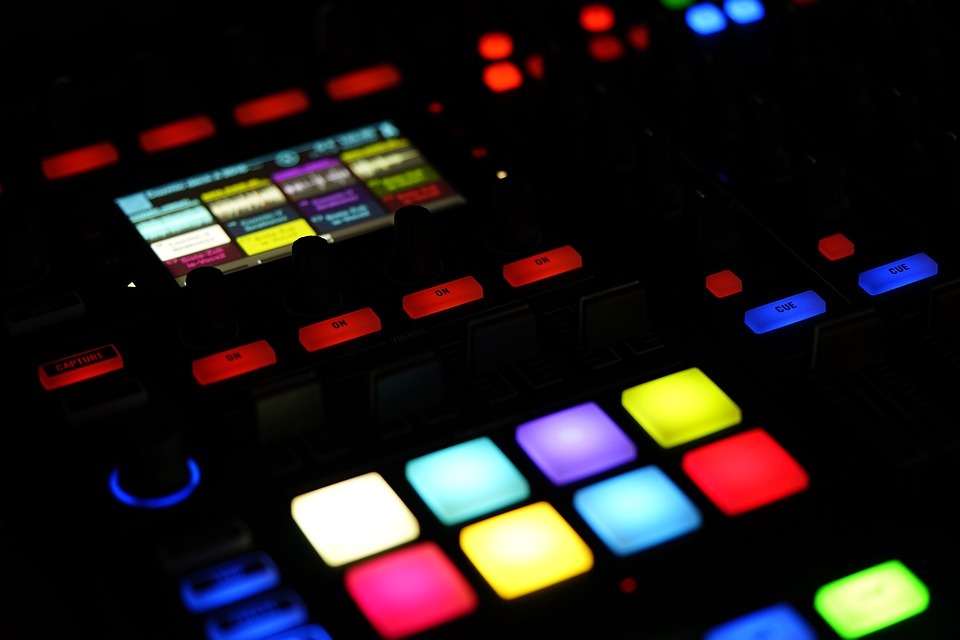
There’s something about a well-placed sample that feels like magic. It’s a bridge between generations, a nod to the past that reshapes the present. Done right, a sample doesn’t just borrow—it reinvents. From hip-hop producers flipping jazz records into new-school beats to Afrobeats artists and highlife classics, the art of reimagining sound is as old as modern music itself.
But lately, something feels… off.
Sampling in recent years feels like the same formula: the hook gets reworked, the melody is slowed down, sped up, or slapped onto a weird drum beat. It’s catchy but is it good? Across the world, music is leaning heavily into nostalgia and while Nigerian artists aren’t the only ones guilty of this, our music feels especially close to overdosing on it.
The Good: Sampling as Reinvention
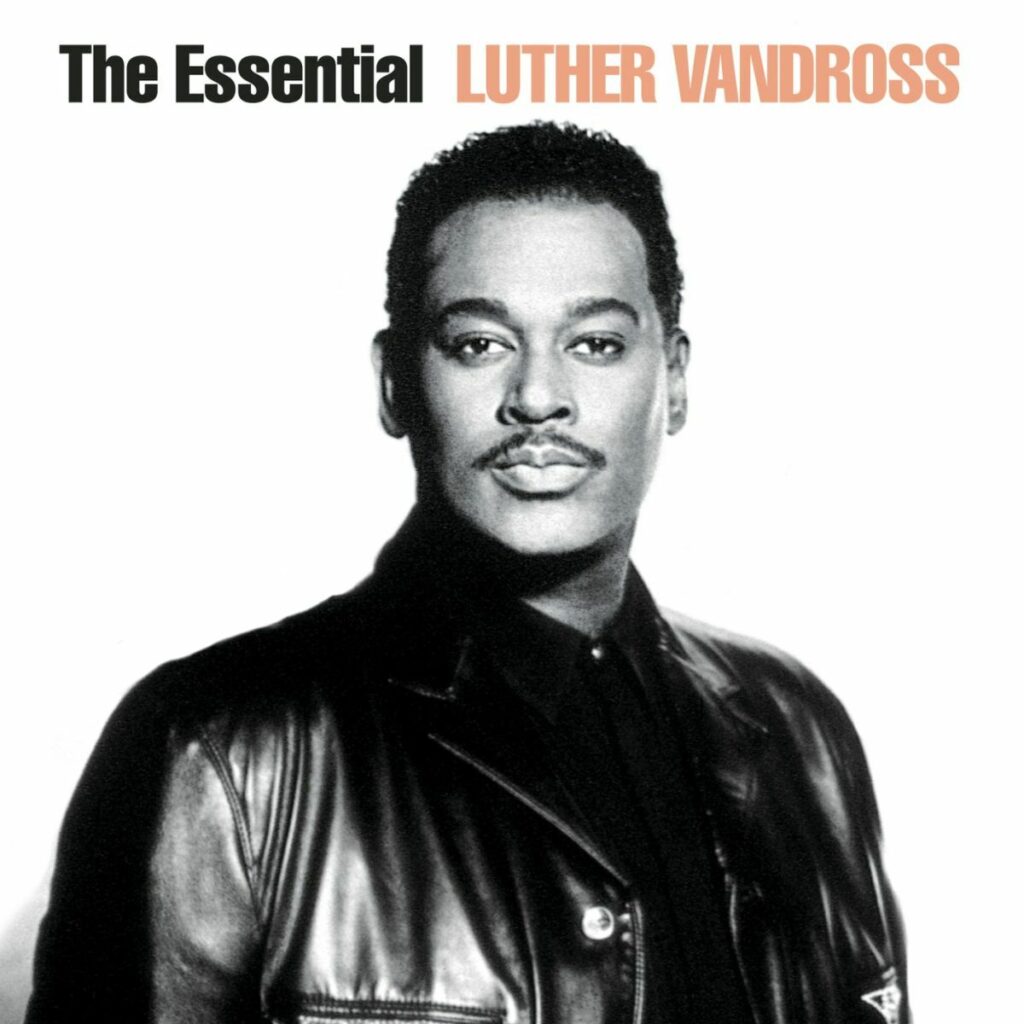
Sampling has always been part of music, long before TikTok and streaming turned everything into a trend cycle. Hip-hop is built on it. Kanye West’s Through the Wire sampled Chaka Khan’s Through the Fire to tell his own story of pain and resilience. Drake’s Hotline Bling sampled Timmy Thomas’ Why can’t we live together into a number one song. Even Kendrick Lamar and Sza’s luther samples Cheryl Lynn and Luther Vandross’ If this world were mine. All of these songs aimed to transform the source material after being inspired by it. The best samples don’t just remind you of the past – they retell it.
Nigerian music also has its own long history of (good) sampling. Fela’s voice and beats are everywhere, from Burna Boy’s Ye to Wizkid’s Jaiye Jaiye. Fuji and Apala records have been repeatedly flipped into modern classics. Even up to very recently with Tems’ Grammy-award winning Love Me Jeje which is a complete re-imagination of Seyi Sodimu’s song of the same name.

There’s a difference between using a sample as a foundation for something fresh and simply using it to trigger nostalgia. The song doesn’t have to be completely different but listeners should at least be able to tell that it’s your own song – not a rendition or cover or feature or mashup, but your own song. The best samples should transform the original into something new.
The Bad: Nostalgia Bait at best, Lazy Skips at worst
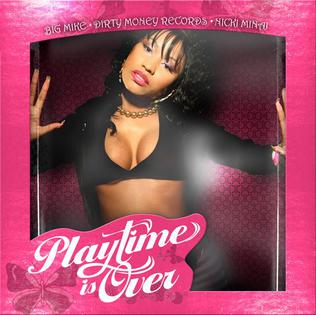
When using samples, some artists barely change a thing while others feel forced, existing only to make you think, Oh, I recognize this. Nicki Minaj’s Super Freaky Girl, which sampled Rick James’ Super Freak falls victim to this problem. There’s been a lot of agreement that it was just repackaging. She had used the same sample in Dilly Dally on her mixtape, Playtime Is Over and did it way better. Super Freaky Girl felt like a capitalisation of both Super Freak and Anaconda by her which shared the theme and energy of the song.
Many Producers try to prevent this by canceling everything all together. They argue that samples are bad and lazy and encourage the unoriginality by virtue of the technique. However, existing in the context of our society means being inspired by it. I don’t think the problem is whether artists should sample. It’s about how they do it. These types of samples aren’t creative—they’re marketing strategies, and fans can tell the difference.
This is where sampling takes the wrong turn. A song shouldn’t just make you remember another song. It should make you feel something. In Nigeria, we’re seeing too much of these uninspired flips. When an artist takes a beloved song, loops the hook, slaps on new verses, and calls it a day, that’s not sampling—that’s repackaging.
The Ugly: Why Artists Need to Be Careful
Sampling is also a legal struggle. If you don’t clear a sample, you can easily find yourself in a lawsuit. Music is intellectual property, and if you’re using someone else’s work, they deserve credit (and compensation).
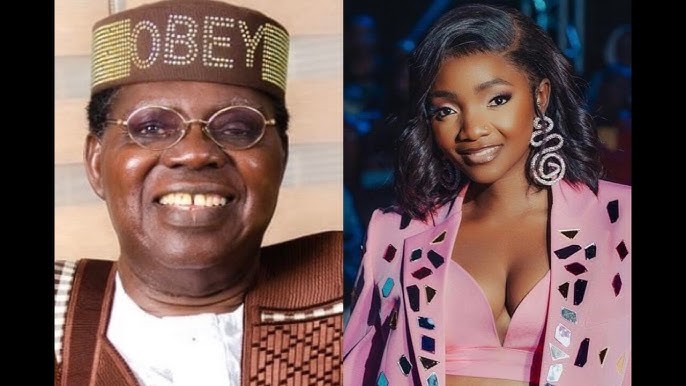
Olamide recently found himself in the spotlight for the wrong reasons when gospel singer Agnes Iroh called him out for using her song Ladder in Our Lord Jesus without permission. Danny Young sued Tiwa Savage for using his song Oju Tiwon in One. Shalipopi faced a lawsuit over Obapluto for sampling Monday Edo’s Ogbaisi without permission.Simi sampled Ebenezer Obey’s Olomi Gbo Temi in Jowo and not only reached out to the legend but even featured him in the video, acknowledging his influence while securing proper clearance. Burna Boy took a similar approach when he sampled Toni Braxton’s He Wasn’t Man Enough on Last Last, ensuring she received her due share of the royalties.
So Where Do We Go From Here?
Sampling isn’t the problem. The problem is lazy work. If you’re going to bring back an old song, do more than just remind us it exists or that you know it exists. Rework it, rethink it, make it feel new AND credit the owner.
Artists, producers: if you’re going to sample, make it count. Nostalgia alone won’t cut it anymore. We want to be surprised. We like to feel nostalgia, but we also want to hear something new.