As the world evolves and kicks into the next gear with the start of a new decade, one of the major promises of the internet generation has been digital inclusion which has become synonymous with financial inclusion. Africa is becoming one of the fastest-growing continents when it comes to mobile growth, and financial technology, so it comes as no surprise the rise of fintech companies that build services to meet the rapidly-expanding market.
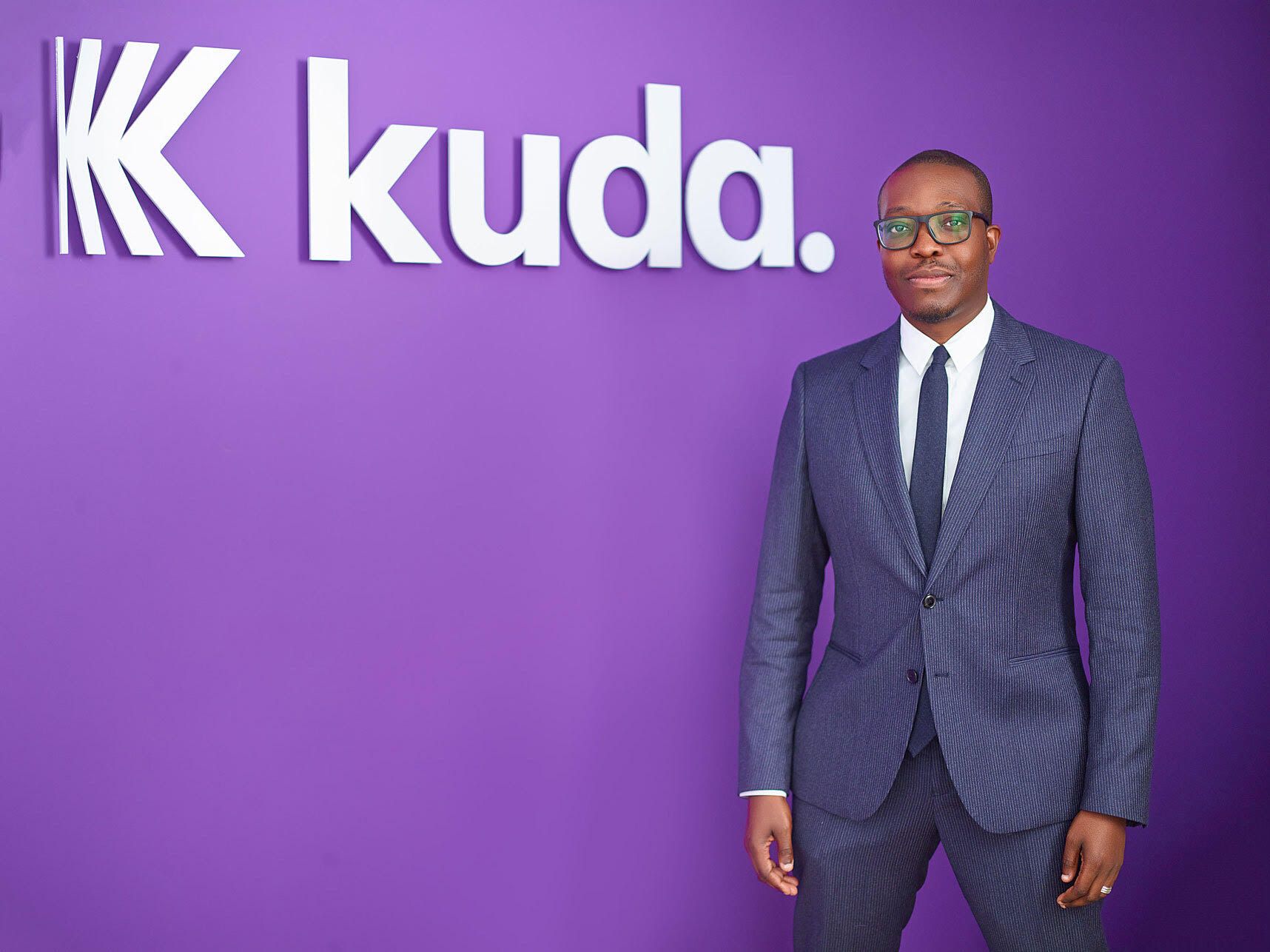
Kuda Bank, Nigeria’s first fully digital bank, recently announced they raised $10 million in seed funding. This investment represents the largest seed fund to be raised by a tech company in Africa. Since launching in September 2019, Kuda Bank, has picked up around 300,000 customers — first consumers and now also small businesses — and on average processes over $500 million of transactions each month.
We want to bank every African on the planet, wherever you are in the world.
The funding comes on the back of strong demand for its services and its ambitions — according CEO Babs Ogundeyi — to become the go-to bank not just for those living on the continent, but for the African diaspora.
The $10 million is being led by Target Global, the giant VC out of Europe, with Entrée Capital and SBI Investment (once part of SoftBank, now no longer) also participating, along with a number of other notable individual fintech founders and angels.
The list includes Raffael Johnen (founder of Auxmoney), Johan Lorenzen (founder of Holvi), Brandon Krieg/Ed Robinson (founders of Stash), and Oliver and Lish Jung (angel investors in Nubank, Revolut, and Chime).
Prior to this Kuda — which is co-founded by Ogundeyi and CTO Musty Mustapha — had raised $1.6 million in a pre-seed round to launch a beta of its service, and Ogundeyi said he’s already working on a much bigger Series A.
How Does Kuda Bank Work?
Kuda Bank is one of Nigeria’s few challenger banks. The process payments, transfers, issue debit cards (in partnership with Visa and Mastercard). They also have partnerships with the incumbent bank’s Zenith Bank, Guaranteed Trust, and Access Bank for people to come in for physical deposits and withdrawals when needed.
Having an account is free, and so Kuda makes money through other services. Among them, users can top up their phones directly from the Kuda app (most accounts are prepaid), so Kuda acts as a kind of broker in that transaction and makes a percentage from it.
We have built the core banking services in-house so we own the full stack. It means we don’t have to piggyback on another financial institution. We may choose to partner on certain products but we don’t have to. We will possibly partner in others where the existing infrastructure makes it more logical to do so. The reason for the full license is monetization. Like a bank, you need to be able to lend, and in Nigeria, if you don’t have a full license it’s hard to lend and make money.
CEO Babs Ogundeyi shared with Tech Crunch.
Users can also pay bill through the app, where Kuda also makes a percentage. And, like other banks, Kuda manages its float and invests it in treasury bills, mutual funds and soon other credit products. There are also fees collected from debit transactions but these are not the real focus, he said.
Kuda Bank’s app uses machine learning to personalize every customer, generating suggested budgets and savings plans for its users. A pared-down version of Kuda is available for feature devices — it lacks the AI-based money management features.
The emergence of digital challenger banks, providing customers with a free, digital, and significantly better banking experience compared to services offered by traditional banks, has seen huge success across the globe. Kuda is one of Africa’s leading digital challenger banks and one of the fastest-growing fintech on the continent. We are very excited to be working with Babs, Musty, and the entire Kuda team to further build on the fantastic momentum they have had since inception and support them in taking the company to the next level.
said Dr. Ricardo Schäfer, Partner at Target Global who’s joining the Kuda Board, in a statement.