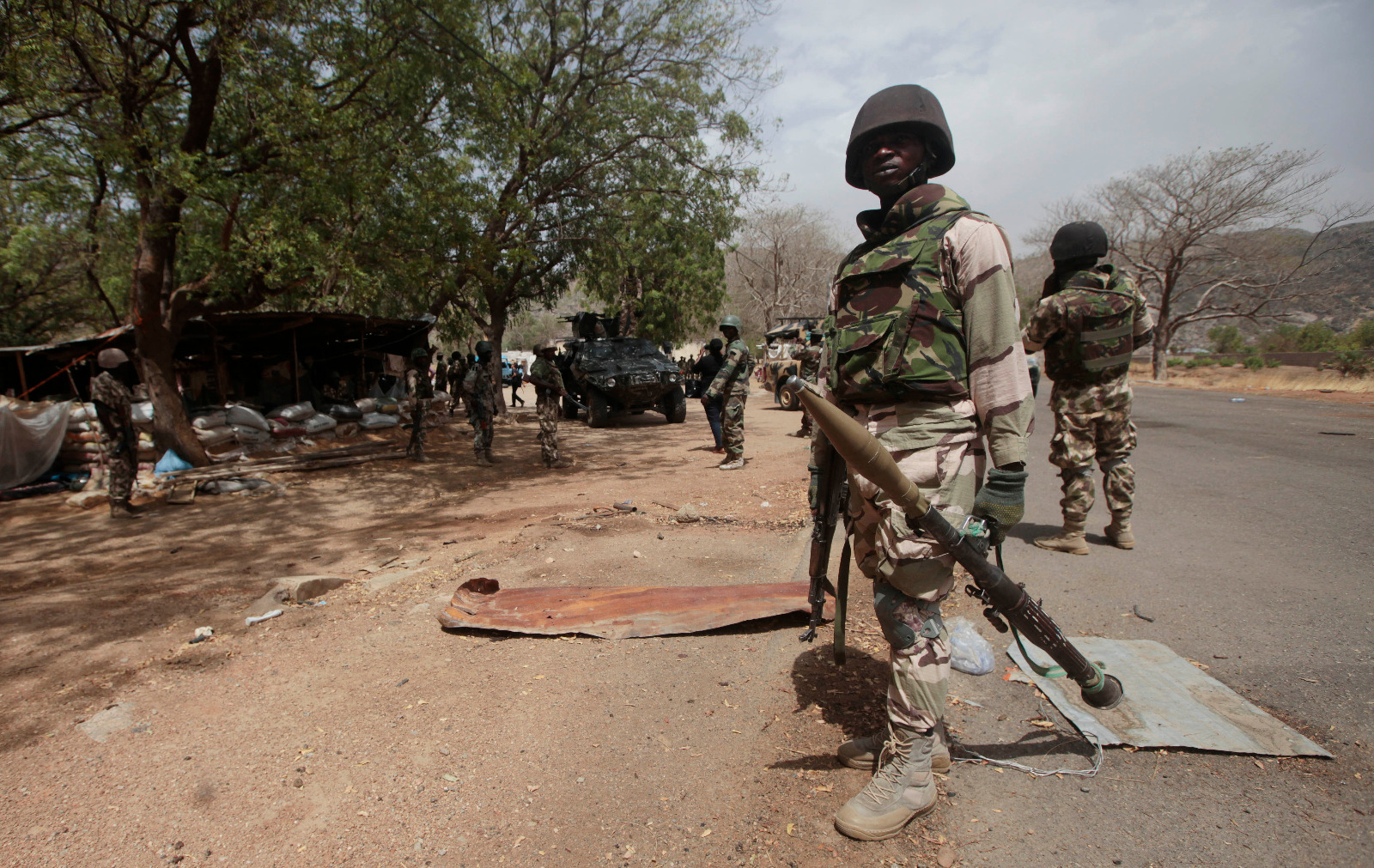
A secret ceasefire agreement between the Nigerian government and Boko Haram has been active for the past three months. The truce is expected to be extended, according to exclusive reporting by The New Humanitarian. This agreement is directly linked to hostage negotiations that secured the release of 360 civilians in June.
Boko Haram abducted the civilians in March during an attack on an army base near Ngoshe village in the Mandara mountains. Independent sources with contacts among senior Boko Haram members confirmed the truce has been in effect since June. These sources stated the agreement will likely extend for an additional 40 days. Communities in the Ngoshe area confirmed that regular attacks have stopped since the ceasefire began.
The hostage release deal reportedly included a ransom payment of five billion naira by the government. Officials in Abuja have denied this transaction amid controversies regarding alleged misappropriation of funds. The New Humanitarian requested comments from the government, defence headquarters, and the army, but received no reply prior to their publication.
Officially, the government maintains an emphatic rejection of talks with legally proscribed terrorist organizations. President Bola Tinubu instead announced an expansion of the army, as detailed in our coverage of President Tinubu’s recent military recruitment efforts and addition of four extra divisions.
Behind the scenes, the Office of the National Security Advisor and the Department of State Services have led confidential talks. Security officials stated that previous under-the-radar dialogue approaches faltered due to government and military spoilers.
The current ceasefire does not include the Islamic State West Africa Province (ISWAP), a rival offshoot of Boko Haram. Clashes between Boko Haram and ISWAP have continued uninterrupted. Boko Haram is currently headed by Ibrahim Bakura Doro, who commands three factions from his base on Lake Chad. The success of the ceasefire depends on Bakura’s ability to maintain a sustainable deal among his operational commanders.
Security sources suggest the government hopes dialogue could lead to an alliance with Bakura against ISWAP. Bakura holds deep personal animosity toward ISWAP after the rival group overran the base of former Boko Haram leader Abubaker Shekau in 2021. Conflict researchers caution against viewing this deal as a definitive step toward sustainable peace. Security sources warned that Boko Haram may simply use the temporary armistice to move equipment into the Mandera mountains and strengthen their tactical position.