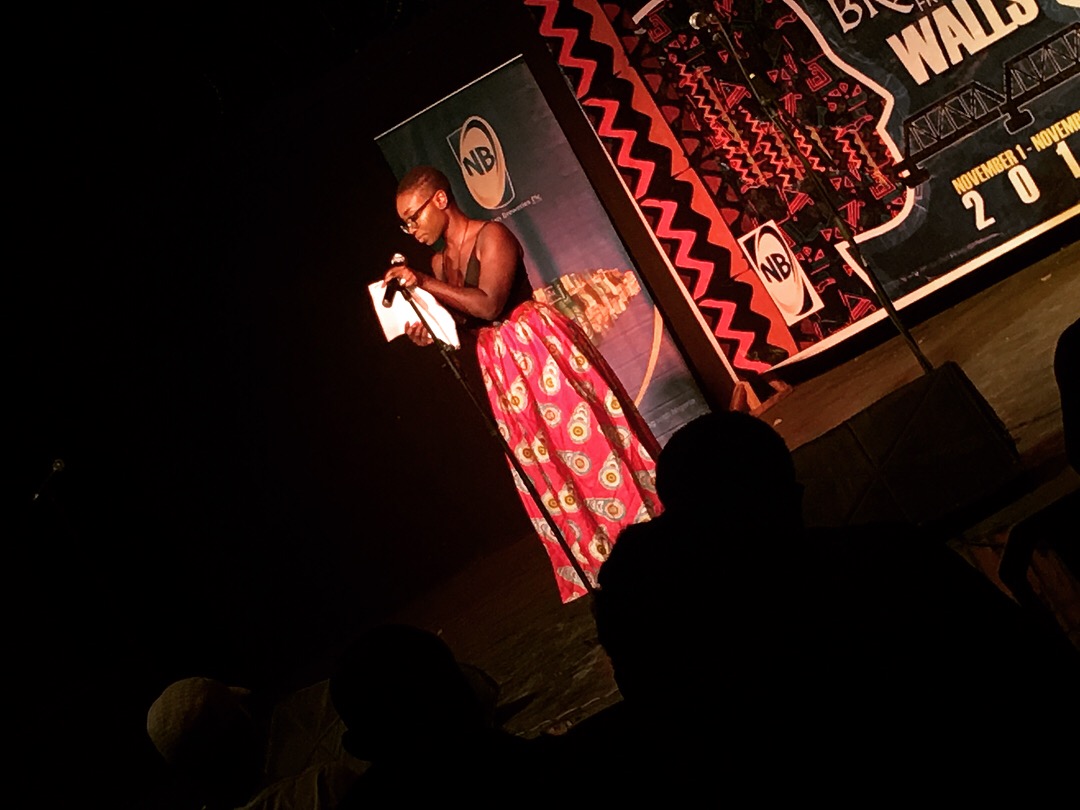
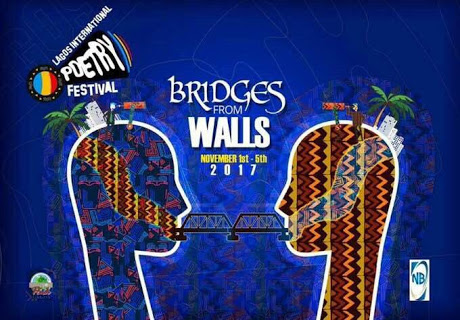
The 3rd edition of the Lagos International Poetry Festival -“Bridges from walls” lasted for 5 days and left a lasting effect on this writer. It was organised to celebrate and teach arguably the least recognized literary art form.
Unlike prose, poetry tries to paint your picture with rhythm using symbolism and ambiguity to give the same lasting effect of finishing a really good/mind blowing novel.
The event focused on workshops from the 1st of November to 5th of November with many guests from home and abroad housed in Freedom Park, Goethe Institut, Fela Museum and Bogobiri with most nights ending in refreshments and poetry renditions from the professionals.
Filled with writers; professional, amateurs or just lovers of the art, the Ruth Sutoye and Theresa Lola interactive workshop was beautifully done. They challenged the writers with a free verse writing session and created a space where writers didn’t need to have motivation or think excessively before writing and tried to instill confidence in most in attendance.
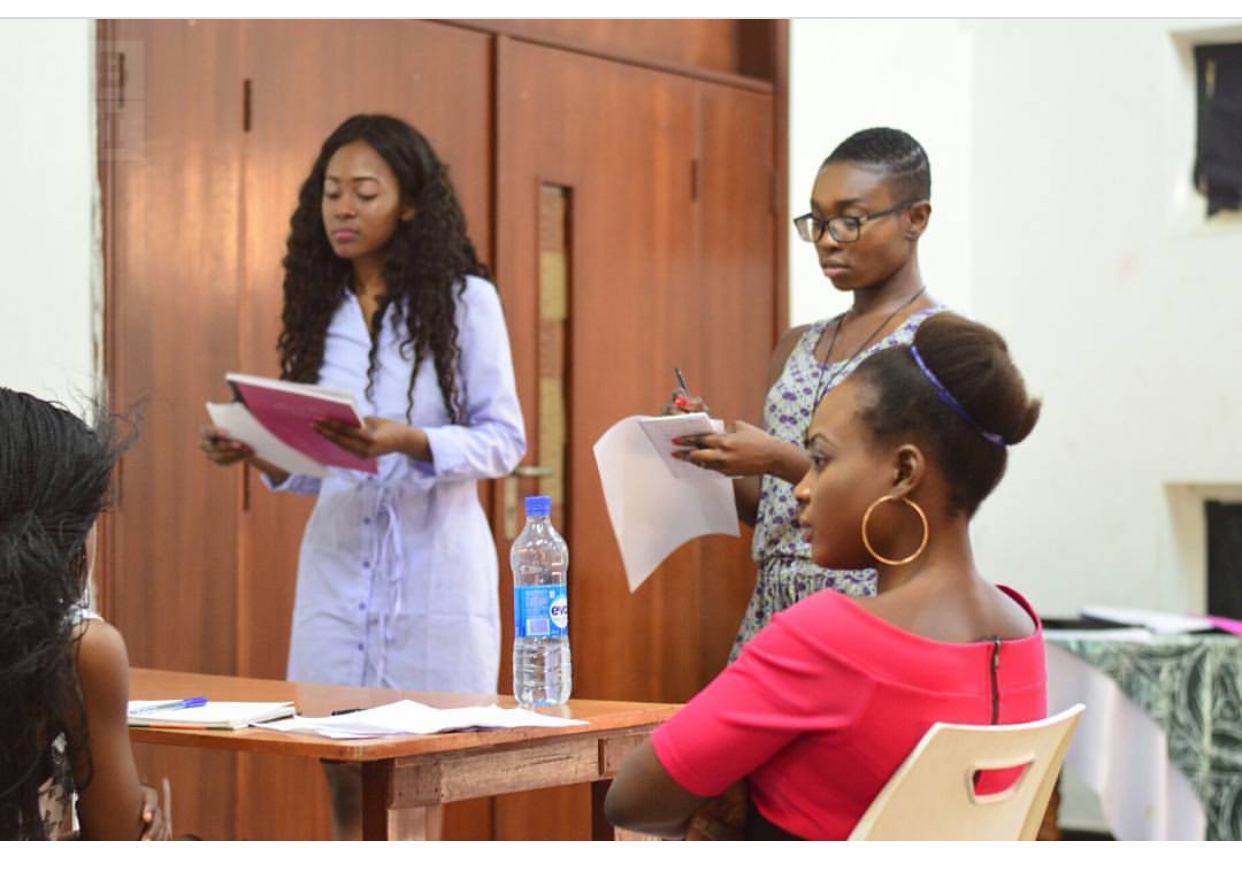
They also experimented with the idea of giving direction with the beginning of each sentence and allowing a showcase of individuality and different p.o.vs. They held another class on the forgotten female writers, highlighting how there was a divide in the African school curriculum and continent wide when it came to recognition and remembrance of female writers.
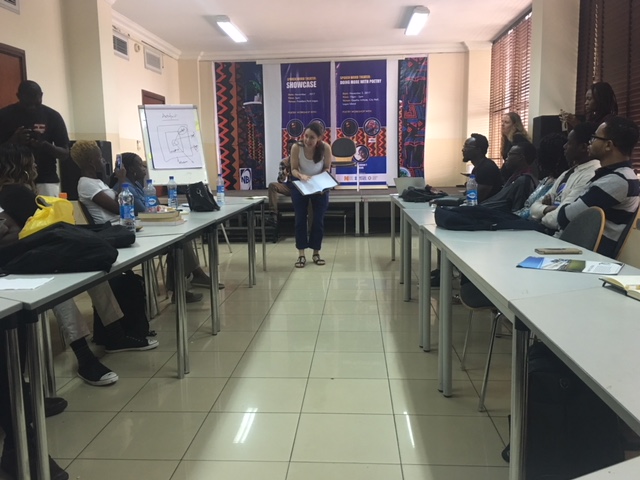
The opening ceremony had performances from Koleka who talked on the Black man’s fear of water, Dike Chukwumerije on being a Nigerian and many more interesting acts.
There was also a Masterclass workshop with Chris Abani where he discussed the structure of poems – how to be a better writer 101 and an enlightening visual teaching on how to detect there is more to people’s words from body language and speech.
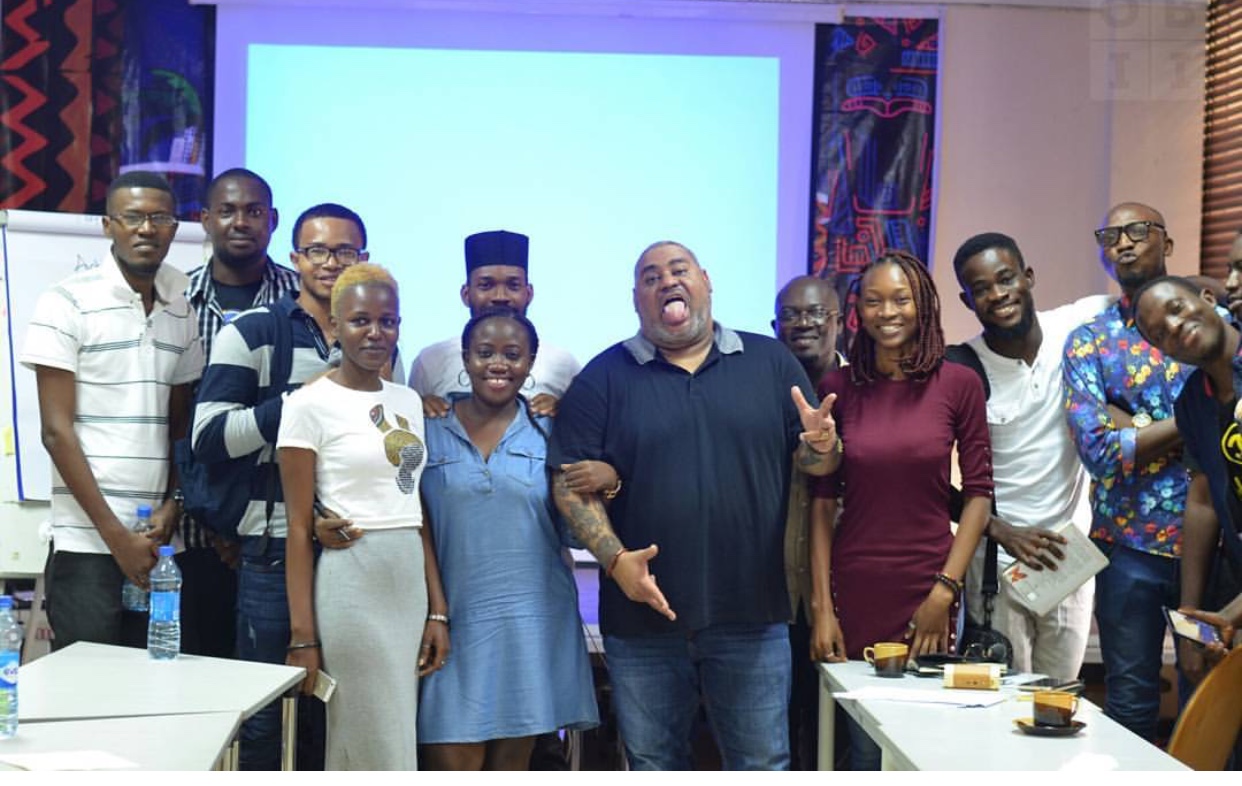
Swiftly followed by another class on spoken word theatre with Dike Chukwumerije, Sophia Walker and Katie Bonna.
Much like spoken word slams, spoken word theatre shows scenery with words and body movements, gesticulations to bring to light the actual theme and plot of a showcase.
Tasked with writing a poetry film script in just 15 minutes, the class showcase was a way to come face to face with your life issues by writing on personal tragedies and performing it with the tips and guidelines given to the attendees in the workshop.
In one of the performances, a boy highlighted his own personal struggle with the trauma of how society treats and tags feminine boys as homosexuals and how living with families that support the inhumane treatment of boys in touch with their femininity is toxic while another painted a picture of how children who do not achieve success in their academics are treated in African homes.
The instructors also performed personal tragedies which created a sense of togetherness and transparency as one could see into their own lives.
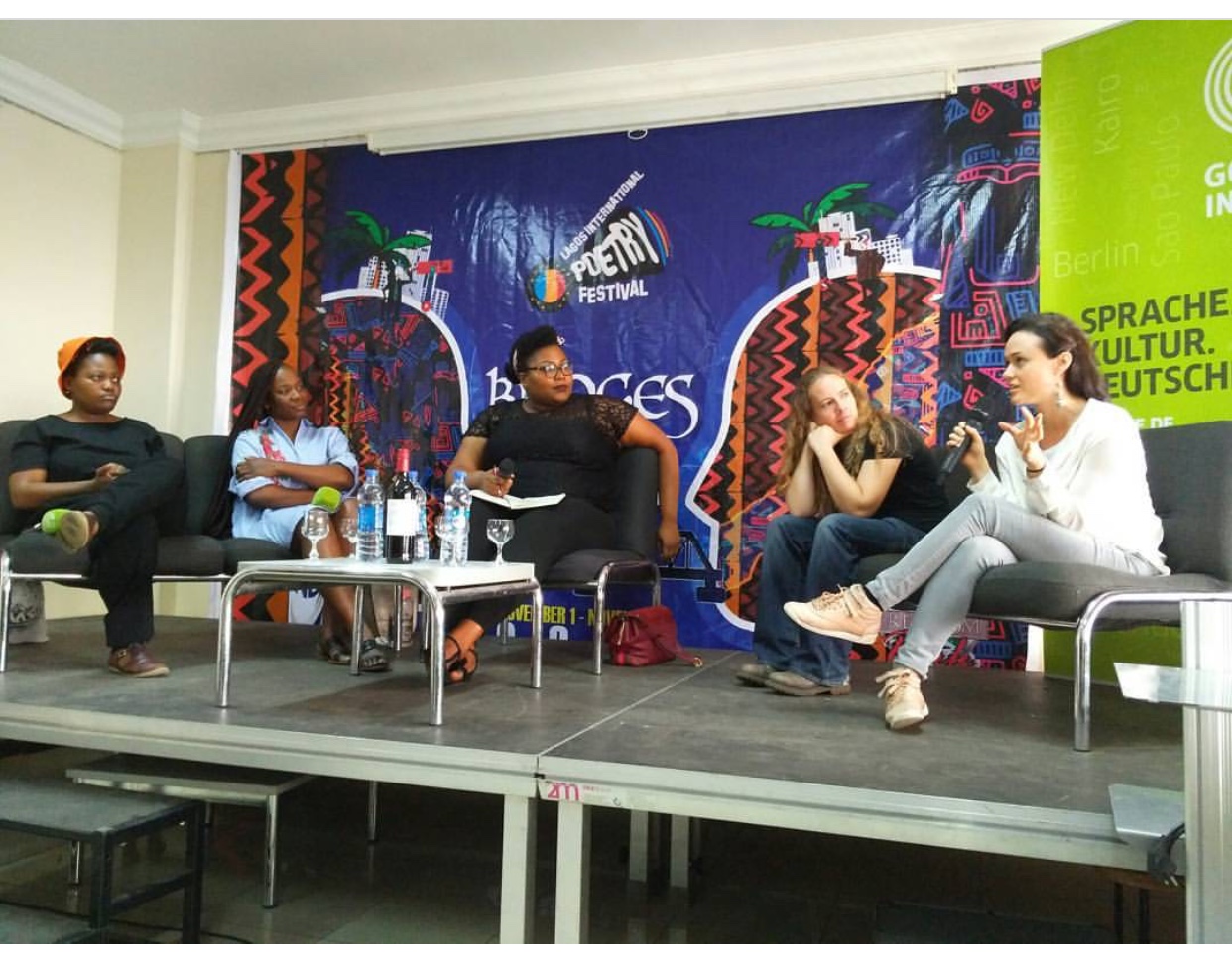
A panel discussion ‘Healing in its wings: Changing the World One Verse at a Time’ with Koleka Putuma, Sophia Walker, Titilope Sonuga, Sabrina Mahfouz and Wana Udobang on the issues female writers often face occurred at The Goethe – Institut.
They pointed out how there hasn’t been a surge in female writers; they have always been there but with recent times, people are finally listening to the women’s plight and voices.
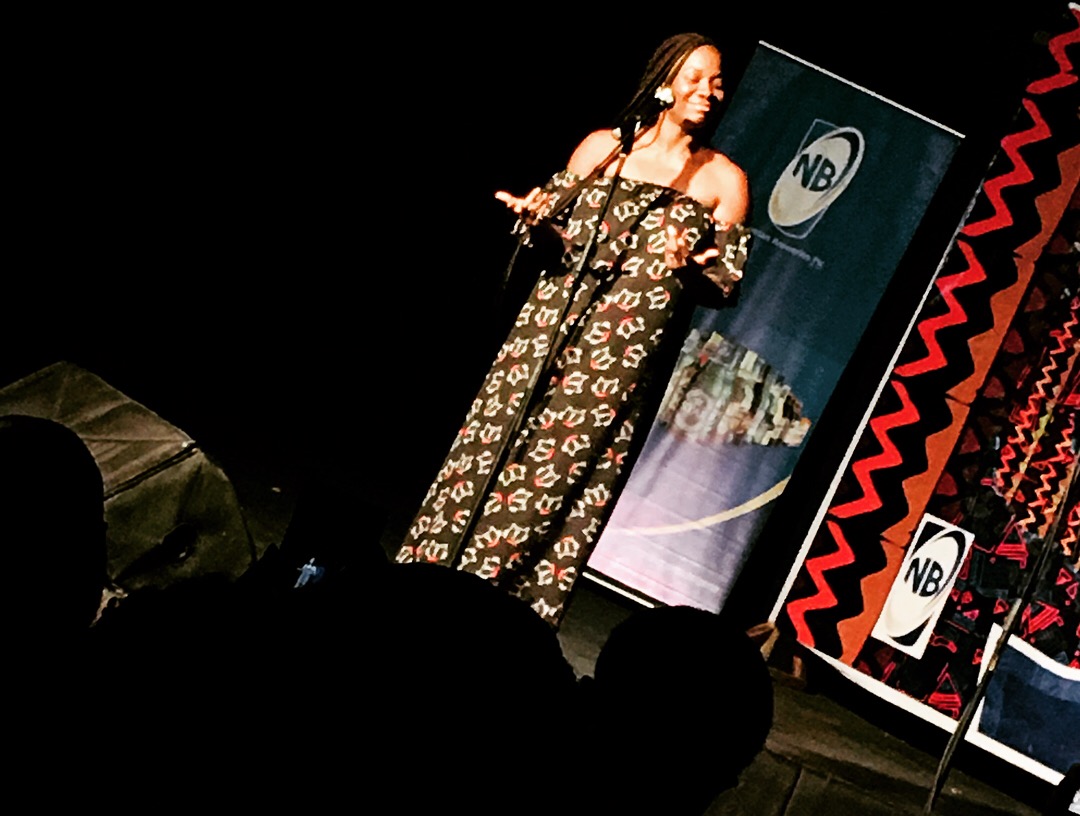
Sophia Walker and Titilope Sonuga talked about how creating opportunities for more female writers who resonate with certain topics and have firsthand insight is also important. The panel addressed how people often expect women to write a certain way and have received backlash being open about their personal issues and problems with society, with Koleka saying that she is often portrayed as ‘The Angry Black Woman’ whenever she voices her opinions about certain things.
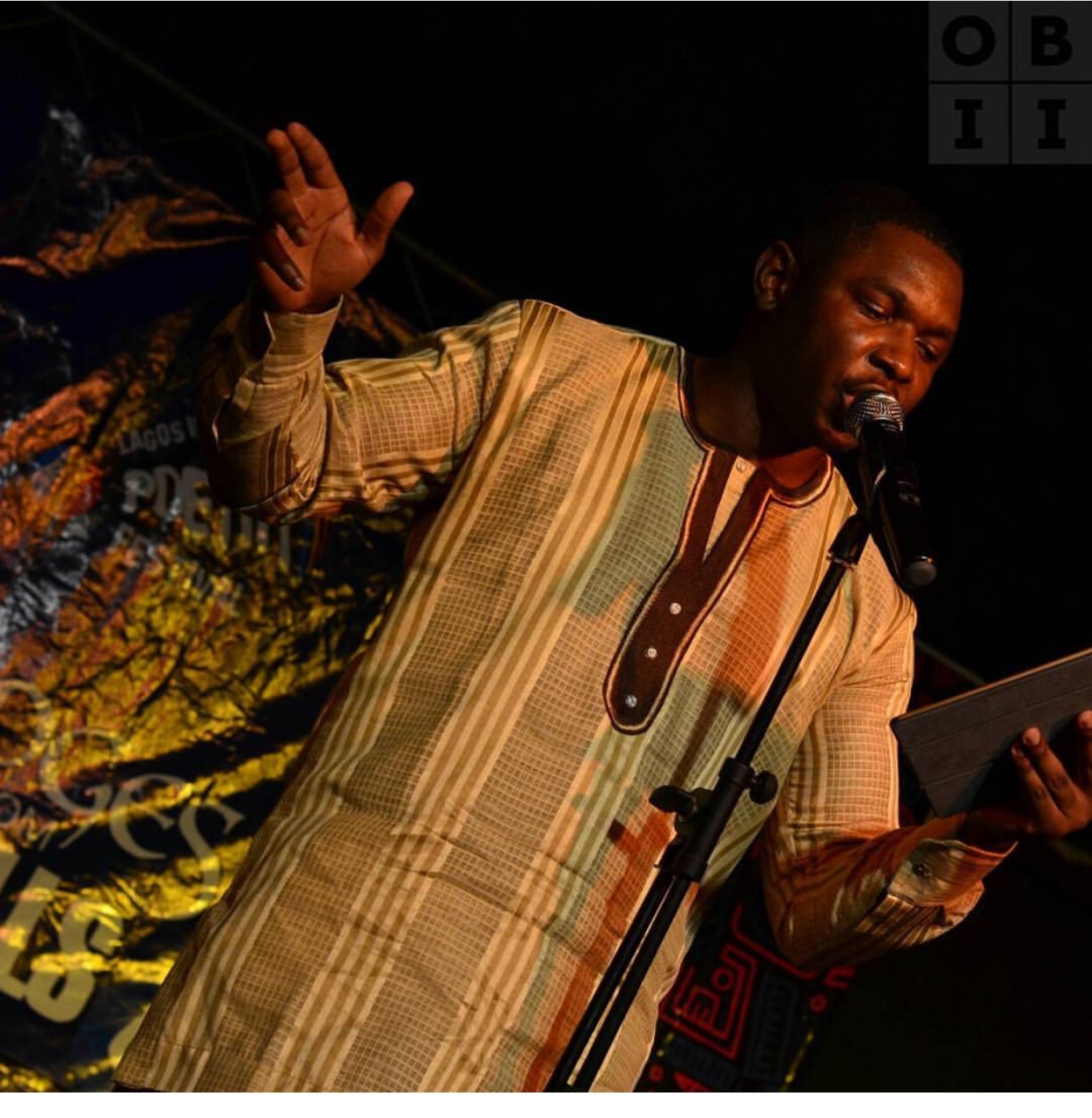
A personal favorite was when the subject of how end rhymers look down on free verse writers was addressed. The Panel ended by telling the audience to write however they deem fit and the paramount thing was getting your message across in your writing.
The Night took a turn for the better at Bogobiri with dim lights, drinks and ginger music where the delightful Sabrina Mahfouz did her poems on the lives of sex workers and Koleka’s performance closed with a thinker
“This is how you know you are God, all you trauma kneel and call you God”.
Day 3 was filled with many shows like the Trip to Fela Museum, ‘the Unsexy business of publishing’ and promoting your work where writers were urged to use the social media age to their advantage. There was also a panel discussion and Poetry After Dark; poems Apostle Must Not Hear.
The 4th day presented the closing ceremony where Yomi Sode, Theresa Lola,Romeo Oriogun, Dami Ajayi, Aduke Gomez and many more performed, Yomi Sode had a public declaration of his thing with grime music with intriguing lines like “My childhood tastes of breast milk, my childhood tastes like shaki”, Ruth Sutoye speaking bits of Spanish, Theresa and Romeo’s exploration of loss and all the emotions behind it and Titilope Sonuga and Efe Paul serenading the storytellers with gratulatory poetry. “In the beginning was the word and on the seventh day we do not rest, we edit..” – Titilope on every writer’s struggle.
The festival closed with Nigerian Breweries declaring that there will be a 4th edition of the festival that will be bigger and better.
More exciting than the workshop and performance was the interactive atmosphere of warm people and like minds who probed into the literary scene of Africa and the need for more documentation and festivals to promote the culture of reading and writing.
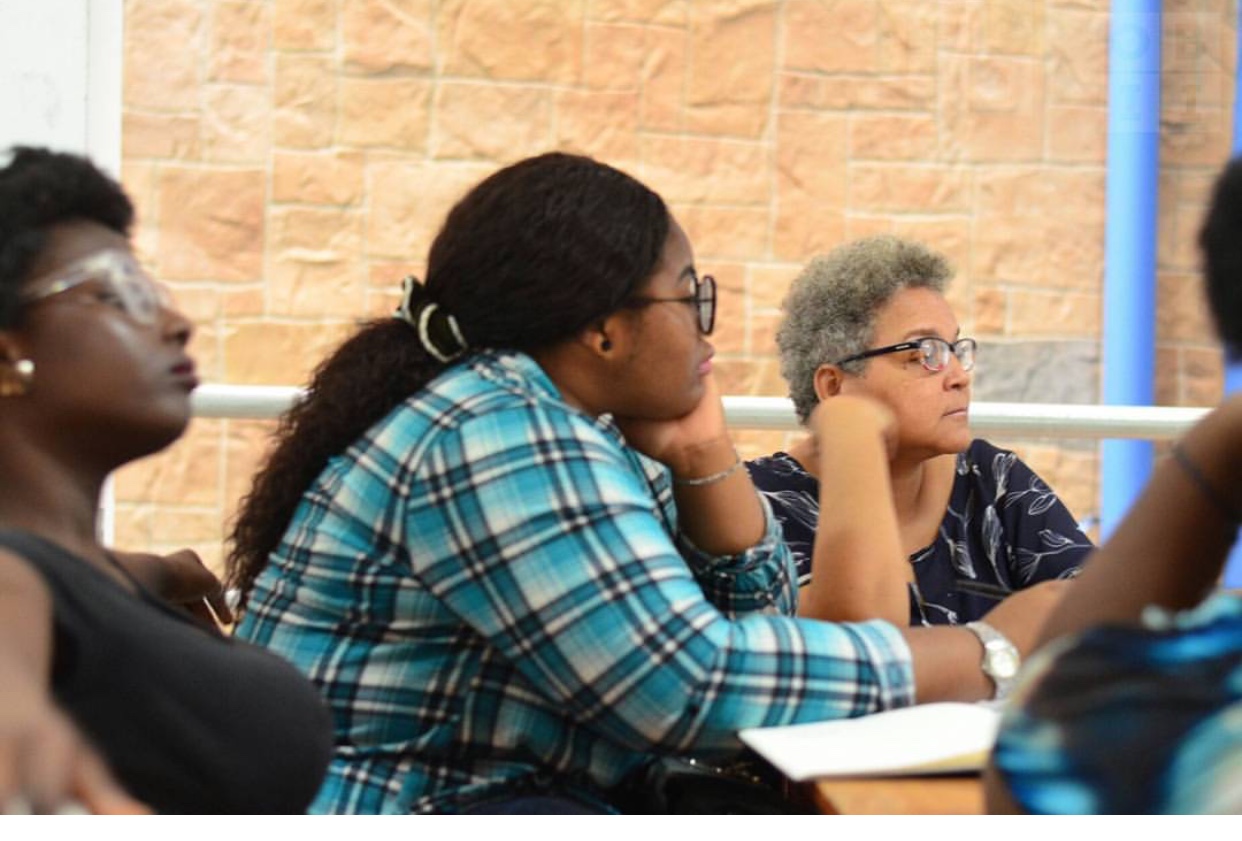
Another exciting encounter was speaking with the recently published Aduke Gomez who pulled me out of my comfort zone many times and taught me a lot in less than week. An open minded lady who explained the need for radical feminism, chivalry and overcoming social anxiety.
The festival created a bubble where we could all share and communicate with our art without fear and also receive constructive criticism, like – groups encouraged to imbibe the writing and documenting habit in the young and old for years to come. The music, the performance, the people were all perfectly done. It bridged communication between the writers and readers, letting you engage with them and ask questions while also getting insight in the mindset of the writers during the production of their work.