
The COVID-19 pandemic and subsequent lockdown raised questions about what it truly meant to have a community and stay connected as young people.
Post-lockdown, the rise and popularity of book clubs and literary communities such as The Happy Noisemaker by Jola Ayeye and Yanga Bookclub by Chinwendu Nwangwa showed that more people desire community through literature.
Ifeoma Igwe, a data professional, novelist, and tech enthusiast, is responding to this need with The LitCorner Club. Although it has features of a book club, The LitCorner Club is unique because, at its core, it is a membership-based initiative that functions as a library and a community for people to interact and share space over literature, film, and creative interests.
Igwe herself has echoed this need and innovativeness by merging her experience as a data professional with her love for African literature. From creating databases for books by African authors to creating a first-of-its-kind Text to Speech app for Nigerian literature, she is dedicated to infusing technology into how the average reader engages African and Black-centered literature.
More Branches recently sat down with her to discuss her career, being a multi-hyphenate creative, and her plans for The LitCorner Club.
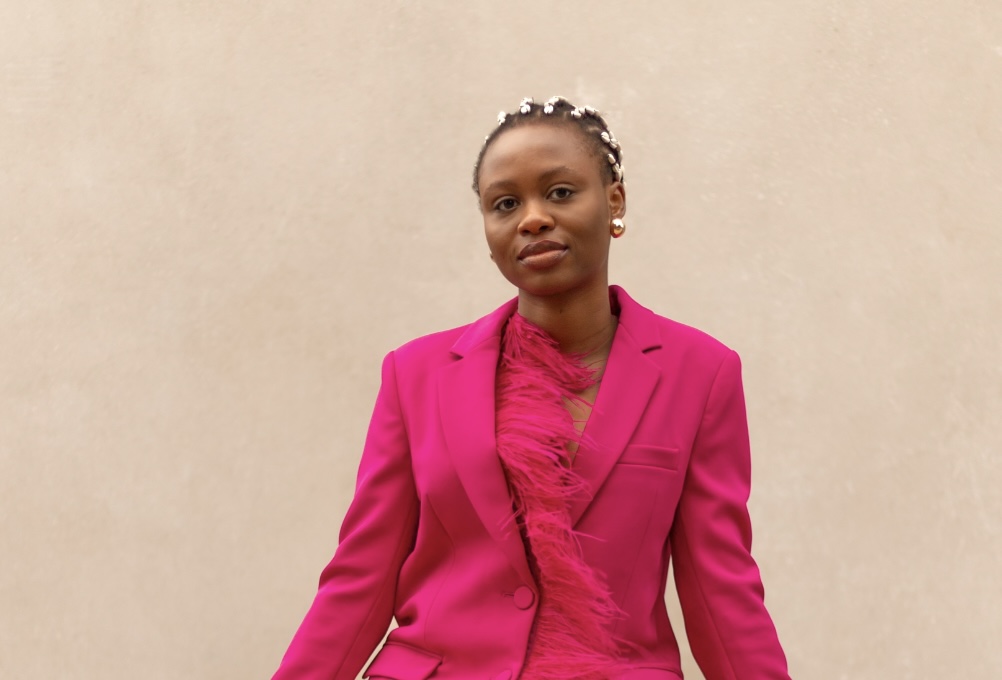
First of all, congratulations on founding The LitCorner Club. What pushed you to create it, and why do you think it is timely?
Buying books, going to the movies, and even subscribing to streaming platforms are all expensive for the average Nigerian these days. Which is so unfortunate because art inspires and radicalizes and can be a source of hope. I’d like to preserve that with the resources God has provided for me.
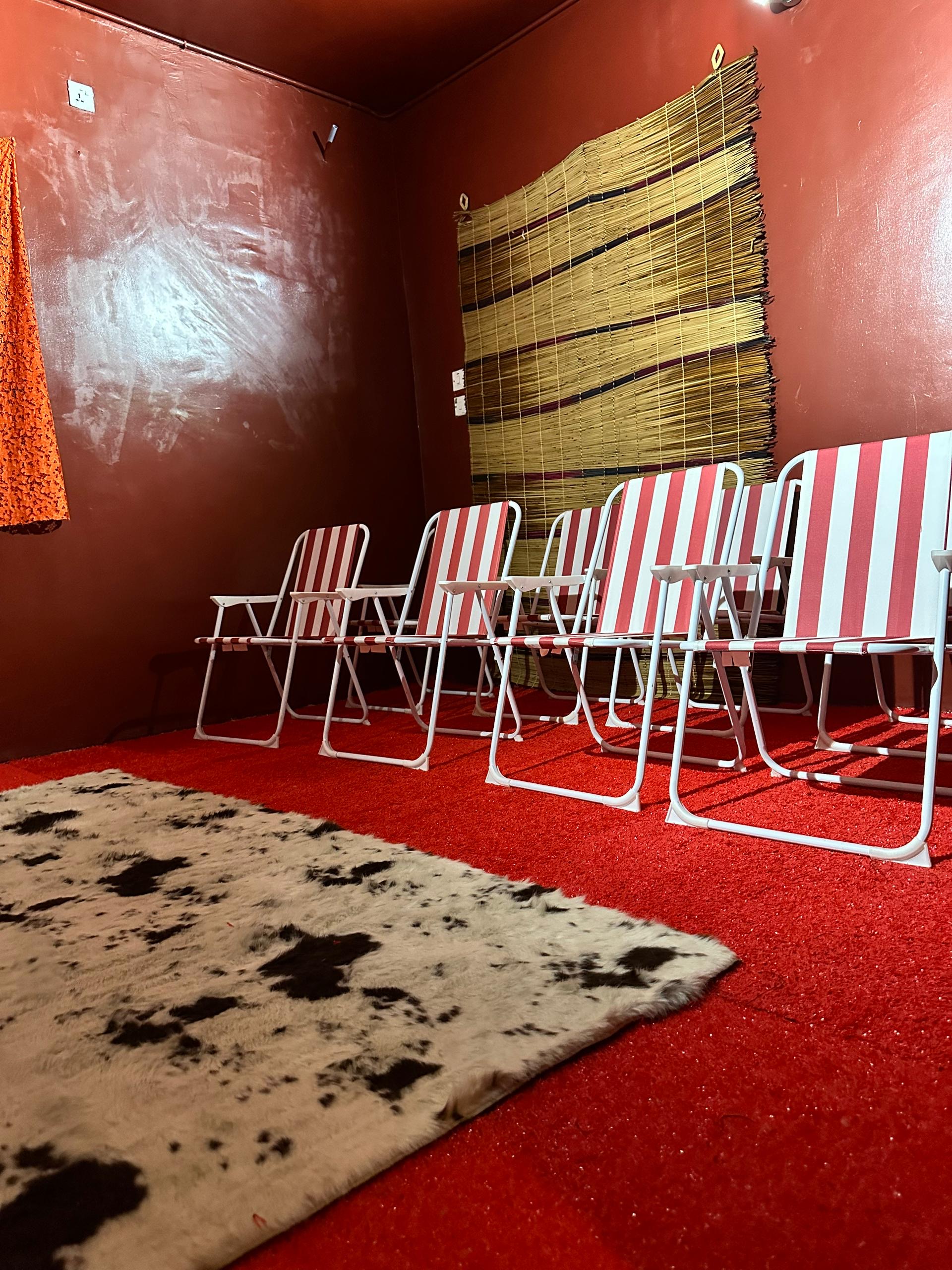
You chose Lagos as the city to host the club. Was there a reason for that, and do you plan on extending it to other cities?
Lagos is where I know. It just made sense.
One very interesting thing about The LitCorner Club is that it caters to both lovers of literature and film. Why do you think the intersection of film and literature is an important one, especially in Nigeria?
Books and films fall under the ‘art’ umbrella, and it was easy to curate a space combining both. I think what’s important is that people have access to consume art frequently, books especially.
You have a career as a data professional, and you created a Text-to-Speech app for African literature lovers. How do you balance the part of you that likes tech-related things with your creative side?
I’ve recently started to refer to myself as a retired tech enthusiast. Tech is much too advanced now, and I was more into it when things were still concepts.
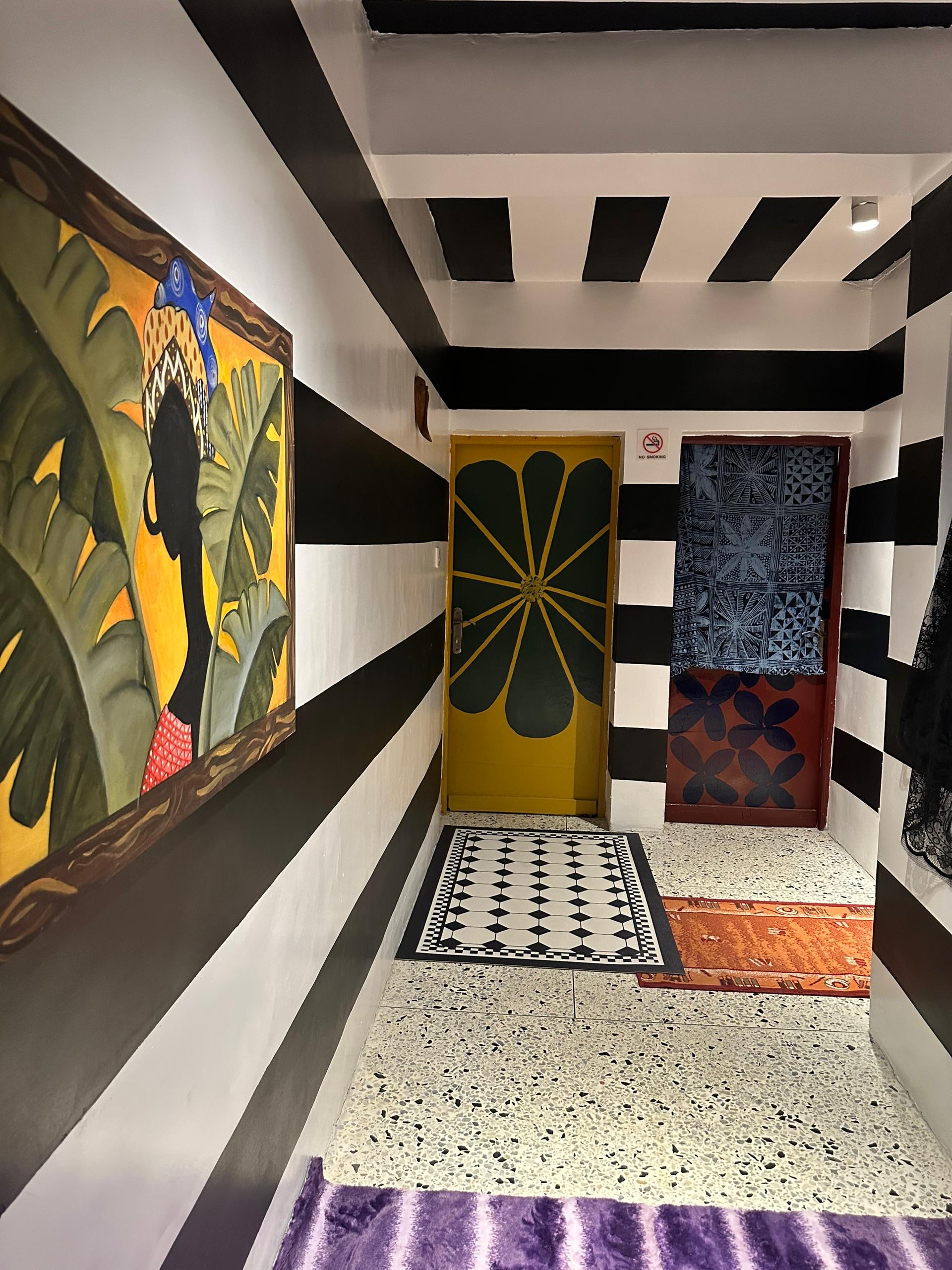
Living in the reality of AI and all that “gbogbotigbo” to put it like a Nigerian has been overwhelming, and I desire more than ever to be offline. That’s part of what inspired the space.
Let’s talk about your debut novel, Away From Bliss. You’ve mentioned that you self-published it. Do you think self-publishing and independent publishing are slowly redefining what it means to be an African writer?
What does it mean to be an African writer? Is it not just a writer who is African?
Self-publishing and indie publishing were responses to a system that didn’t want to publish books authored by non-white folks. So I don’t think it defines an African writer; it just became necessary for us to be read.
In creating The LitCorner Club, were there any existing clubs or literary initiatives you looked to for inspiration?
I looked mainly to Soho House because I like their vibe, plus they’re the OG in the members club space.
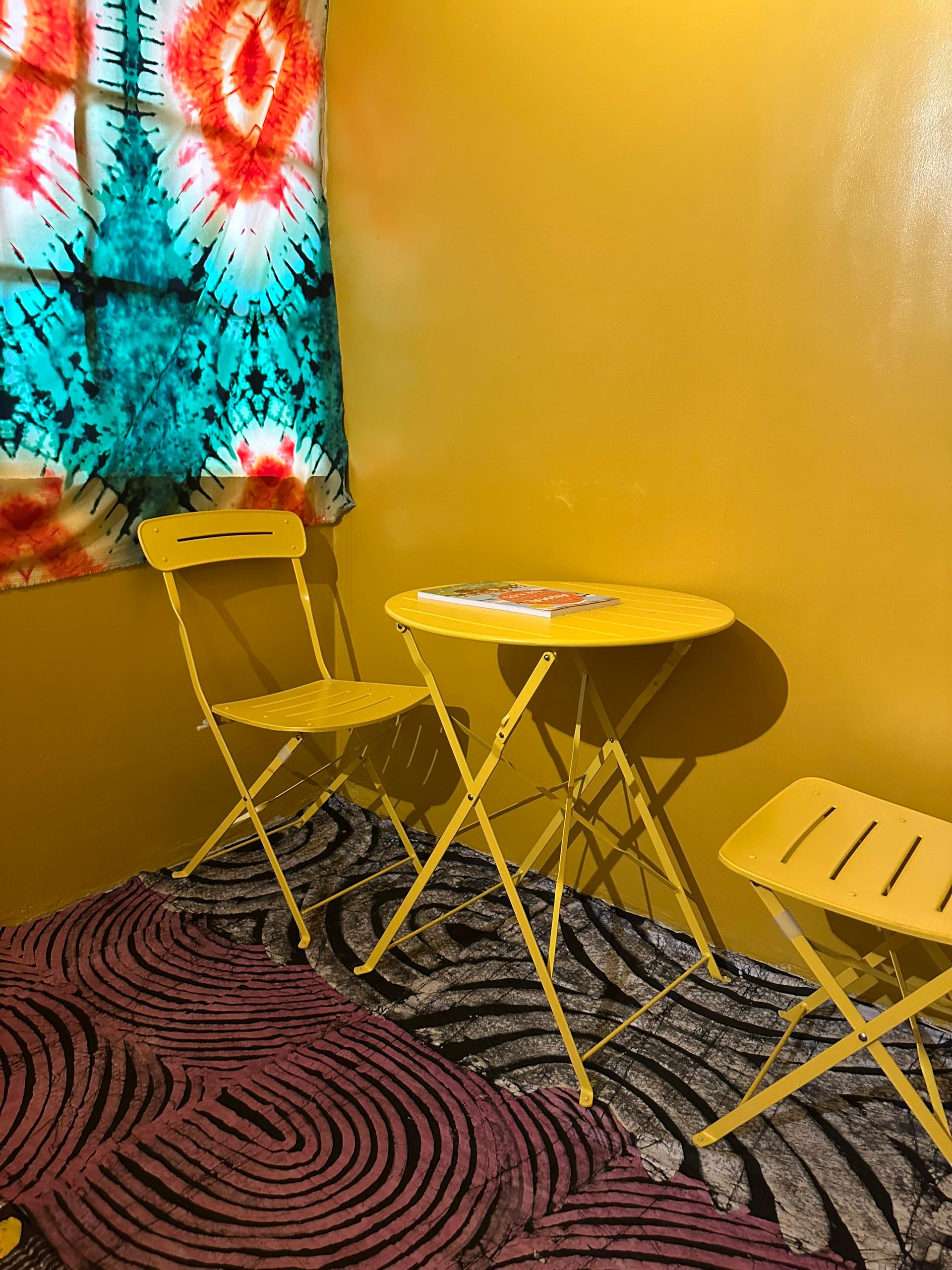
What is the long-term goal for this initiative? In ten years, what do you hope the space becomes?
I’m hoping the space brings visibility to ‘The Litcorner’ brand so that we can have the power to make writing more profitable for Black and African authors.
The long-term goal is to be a sought-after publishing house dedicated to underrepresented authors and also own media that puts them in the limelight.
Are there any creatives in the Nigerian literary and film space who you believe deserve more amplification?
Everybody involved in the production of Kill Boro deserves recognition. Especially Priye Diri, the writer, Courage Obayuwana, the director, and the lead actor boy, Kosisochukwu Ogboruche.
In the literary space, Nuzo Onoh, the queen of African horror. I love that woman so much.
Finally, what advice would you give yourself from five years ago?
Five years ago, my entrepreneurial career began with my first business, which ended up failing. The things I know now from that experience are what I would probably give as advice, I still wouldn’t.
Everything had to happen the way it did. Besides, I’m strong-headed, so I probably wouldn’t listen to even myself.