On 27 September, Nigeria was meant to pick new football bosses. The NFF’s electoral congress was booked for Lafia, Nasarawa State, and it had even been pushed back a day so candidates could watch the Super Eagles play Madagascar on the Friday before.
The match went ahead. The election didn’t. There’s no board and no general secretary, and FIFA is now involved in deciding what happens next.
Here’s how we got here.
Two World Cups, zero tickets
This didn’t start in a boardroom. It started on the pitch.
The Super Eagles failed to qualify for the 2026 World Cup, even with a squad full of players at big European clubs and more World Cup places for African teams than ever before. Then came the loss that really hurt: the Super Falcons were knocked out of the 2027 Women’s World Cup playoffs by South Africa’s Banyana Banyana in Morocco. That ended a streak going back to 1991, since the Falcons had played in every Women’s World Cup ever held.
Two failures back-to-back, men’s and women’s, was too much for the government to ignore.
The shake-up
The National Sports Commission (NSC) cancelled the election to make room for what it called a thorough reorganisation of the NFF, which shook Gusau’s team as they campaigned for a second term.
By 27 August it was over. Gusau, general secretary Mohammed Sanusi and the entire executive board were gone, and an interim management team led by Dr Emmanuel Ikpeme stepped in.
Even then, things weren’t straightforward. Reports said the NSC’s own chairman, Shehu Dikko, and its director-general, Bukola Olopade, disagreed over who should lead whatever came next. Meanwhile, some state FA chairmen were pushing for a caretaker committee, but four of the five major football groups consulted preferred FIFA’s normalisation route: the players’ union, the coaches’ association, the league bodies and the referees.
Why FIFA got involved
FIFA has strict rules about governments meddling in football federations, and countries have been suspended for it before. So Nigeria couldn’t simply sack the old board and install new people. It needed FIFA’s approval.
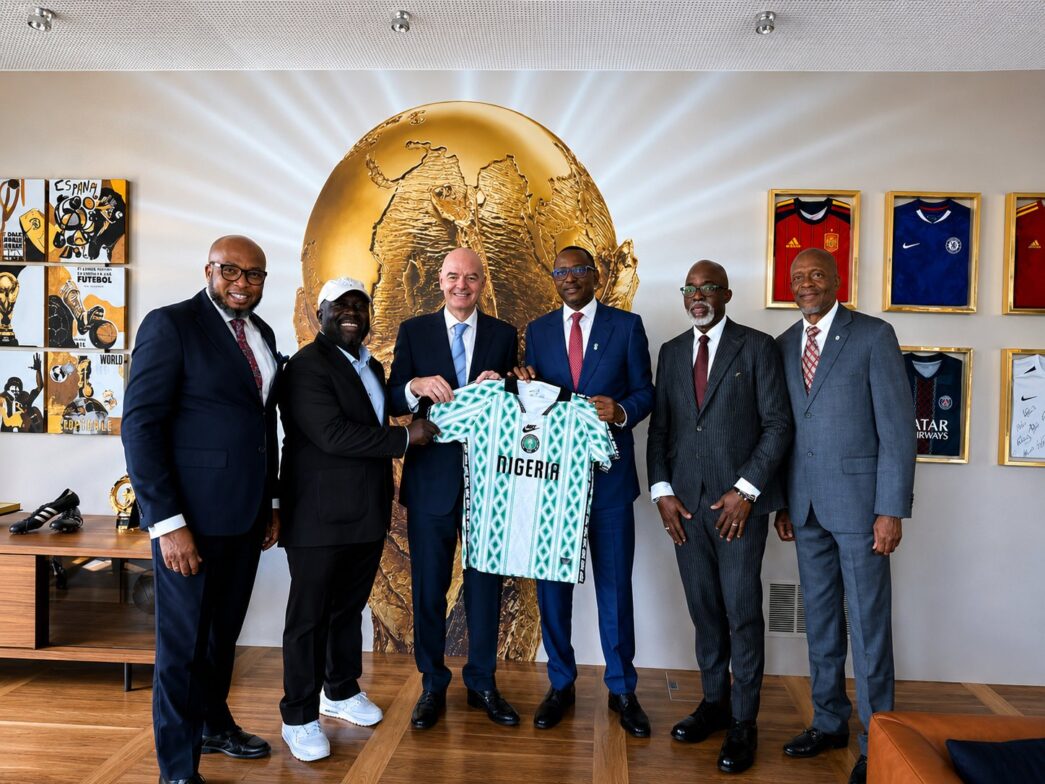
As Dikko explained, the mass resignation left a gap that the rulebook never planned for, with nobody left to legally run the NFF. So a Nigerian delegation went to FIFA’s headquarters in Zurich. The outcome, in Dikko’s words: FIFA endorsed the resignation and the reform, as long as it follows the proper process.
So what’s a normalisation committee?
Think of it as FIFA sending in referees for the referees.
It’s a temporary committee that runs a country’s football federation while the system gets fixed. Crucially, it’s a FIFA committee, not something the Nigerian government appoints on its own. FIFA looks at the situation and sets the timeline and what the committee has to deliver.
A few things to know:
- It won’t be quick. It could run for anywhere between six months and a year, depending on how much needs fixing.
- Members get vetted. They go through the same integrity and eligibility checks as FIFA’s own executive members.
- No self-dealing. Members have to stay independent, and they’re barred from running in future NFF elections for a set period.
- The end goal is new NFF election rules and a more transparent voting process, so the next leadership is chosen properly.
Meanwhile, on the pitch
The players did their part. On 25 September in Uyo, the Super Eagles came from behind to beat Madagascar 2-1 in their first 2027 AFCON qualifier. It was a night for the new faces: debutant George Ilenikhena equalised just before half-time, and another first-timer, Moses Usor, scored the winner after coming off the bench. Next up is Guinea-Bissau away on 29 September.
A strong team with nobody running the federation behind it: that contrast is the whole story.
What happens next
FIFA officials are expected to visit Nigeria as talks with football stakeholders continue. The big question is who ends up on that committee, and whether this is a real reset or just a reshuffle of familiar faces.
For fans, the stakes are clear. A country with this much talent shouldn’t be watching World Cups on TV. If this reform is done properly, it could be the fix Nigerian football has needed for years. If it isn’t, we’ll be here again in four years.
Sources: Arise News, Naija News, Vanguard, Daily Trust, The Guardian, Channels TV, Nigerian Observer, OwnGoal Nigeria.