
2019 saw the release of Warner Brother’s highly anticipated “Joker” movie to the delight of many and the discontentment of some. Directed by Todd Phillips of the Hangover trilogy and War Dogs fame, the movie was intended to serve as an origin story for one of comic book history’s most iconic and revered antagonists. A role that has become very daunting thanks to legendary performances from Jack Nicholson and Heath Ledger of blessed memory.
The torch was passed on to American-Puerto Rican veteran actor Joaquin Phoenix who has starred in classics like Gladiator in 2000, and The Master in 2012. Already in good repute as a quality actor, it can be said that he held his own as the clown prince of crime as within the space of barely two months, the movie has been touted as a candidate for the Oscars, grossed over a billion dollars and beat both Deadpool and Deadpool 2 to become the biggest R-Rated movie of all time.
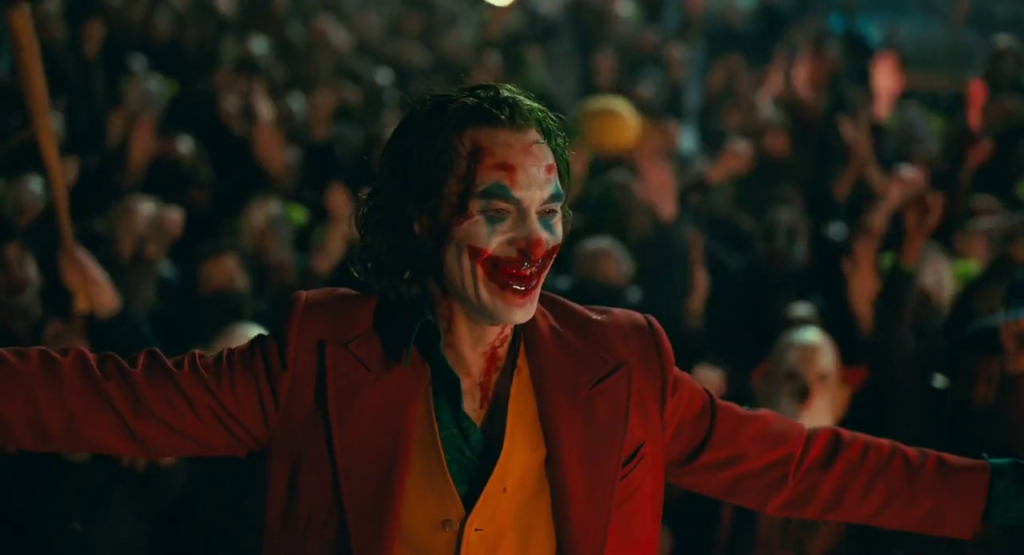
The film is special for a couple of reasons. One of them being it’s the first live action movie portrayal of an origin story for a character shrouded in as much mystery and ambiguity as the joker, automatically making it an extremely risky venture. It was uncharted territory and Warner Bros. was aware of it. Even more risky was the fact that it was a story set in comic book and superhero (or in this case, super villain) lore without the usual marvel of supernatural powers and settings, robbing the movie of the explosive factor this category of movies usually possesses.
Despite all of that, the story is still captivating enough to grab one’s attention and provoke sober thought and reflection while still providing some scenes of gripping and sometimes even jarring entertainment. But besides taking an unconventional route to telling the story of one of DC comics’ most respected and infamous characters, the Joker is a satire on society’s treatment of the marginalized –a strata of society that includes the poor and the mentally ill.
The crux of the story is that a mentally ill struggling comedian named Arthur Fleck battles with understanding why society is so needlessly cruel and dismissive to the people who need help the most while licking the boots of the aristocracy.
The movie calls out the wealthy elite who make up the minority in the fictional Gotham city. Standing out amongst the wealthy minority is Thomas Wayne – Mayoral aspirant, influential, aristocrat and more notably alleged ex-lover of Penny Fleck, our protagonist’s mentally and physically ill mother. Thomas Wayne refers to the gradually revolting lower class as “clowns” in the midst of a clown-themed uprising that Arthur instigated after he murders three wealthy young men who unfairly assaulted him on a train. Arthur murders these men who attack him on the train as a result of being pushed to the edge, a state that the rest of the lower class shares. As a result of Arthur’s actions, a serious uprising, with parallels to the French revolution was in the pipelines.

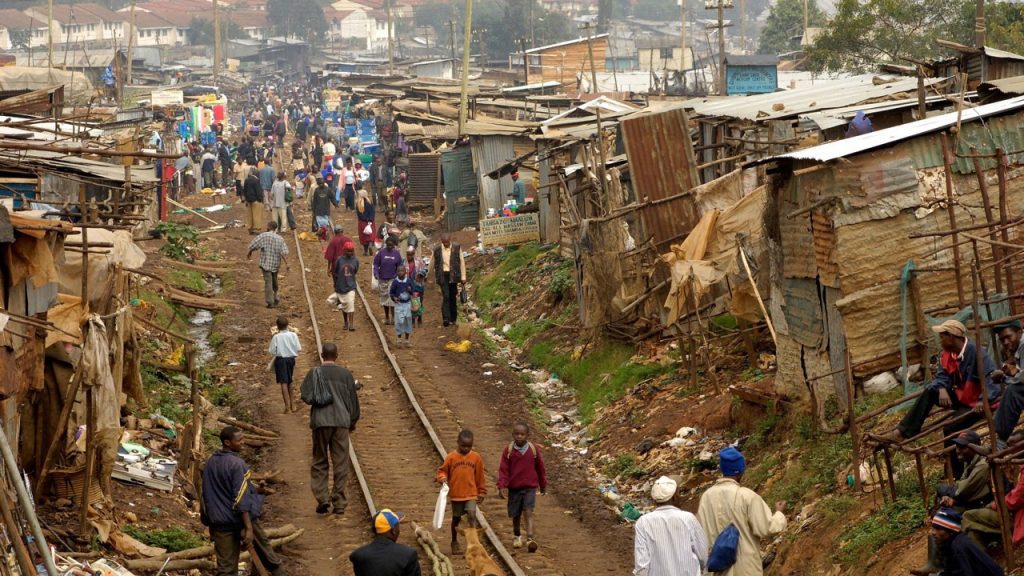
The joker mounts a huge mirror in front of Nigerian society. In a number of ways, the film is reflective of what the vast majority of Nigerians live through or are gradually starting to experience. It’s no longer news that Nigeria has been termed the poverty capital of the world as poverty rates in the country are soaring at an unprecedented rate.
The middle class is slowly disappearing and the wealthy seem to be getting wealthier. According to Sahara Reporters, since June 2018, four million Nigerians have joined the category of people living below the poverty line. The parallels between Nigeria as a whole and the fictional city of Gotham are becoming way too vivid for comfort.
Recent years have seen many small-scale riots and acts of aggression. Unity isn’t the predominant mood in the country and the resurfacing of a movement like Biafra goes further to prove that unrest is brewing in Nigeria and the government is beginning to look more handicapped by the day.
The climax of the Joker sees Gotham city overrun with anarchy and destruction, and it wouldn’t be illogical to envisage a similar state of affairs for Nigeria in the not so distant future if our economic shortcomings are not rectified soon.
Beyond poverty, another problem looms large for Nigerians in the form of mental illness. According to the World Health Organization (WHO), one in four Nigerians (some 50 million people) – are suffering from some sort of mental illness. Nigeria is finding it really difficult to cope with physical health issues and mental health issues are no different. Nigeria has the highest rate of depression in Africa, and ranks fifth in the world in suicide frequency, according to WHO.
Nigeria seems to be inadequately equipped to deal with mental health issues as there are under 150 psychiatrists in a country with an estimated population of 200 million people, and WHO estimates that below 10 percent of Nigerians with mental illnesses have access to the care they need. Gotham city shares a similar problem with the giant of Africa.
In the film, it can be seen that inadequate attention is given to people with mental illnesses as Arthur’s therapist announces to him that funding has been cut for his sessions and he would no longer be able to access his medication.
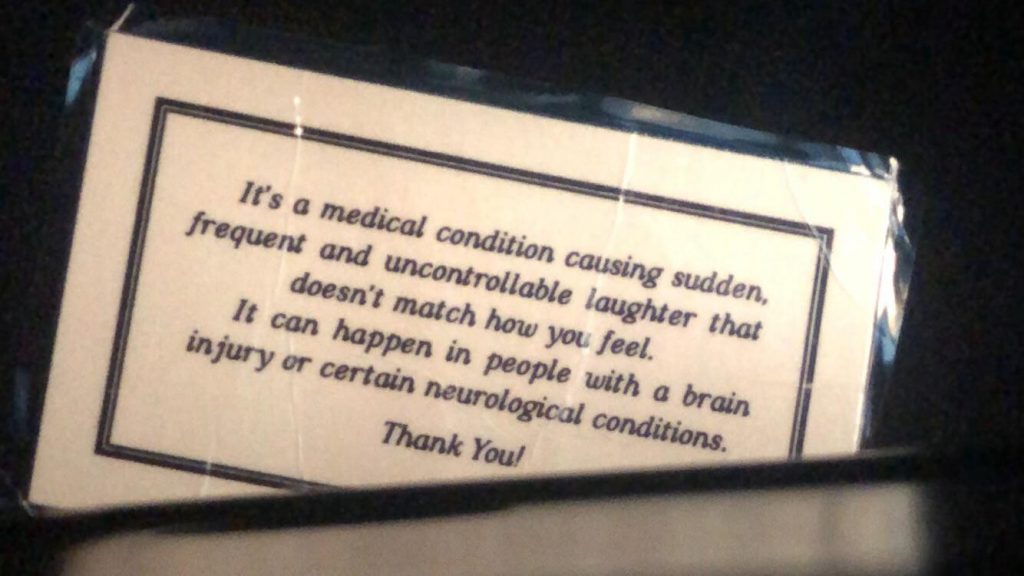
Arthur Fleck suffers from a rare condition where he bursts into uncontrollable fits of laughter at inappropriate times. This is as a result of brain injury from the past. Needless to say, in a cold society devoid of empathy and understanding, his condition puts him in positions where he gets avoided, shunned, disrespected and even physically attacked.
His disorder is a real one, known medically as “Pseudobulbular Affect” or PBA and it triggers pathological laughter and crying. For a country whose citizens are plagued with numerous problems and obstacles, Nigerians seem to have an overwhelming sense of humor.
The phrase “suffering and smiling” has been used many a times to describe the method with which Nigerians cope with the struggles that being citizens of this country brings. This coping mechanism is eerily similar to Arthur’s condition and it should be noted that even though his condition makes him laugh, it also causes him to cry. His tears are distorted and masked by the loud, cacophonic laughter.
Could it be that Nigerians are suffering, smiling and crying all at once? Can it be said that there is a silent mental health epidemic in Nigeria?
Questions are plenty, and answers are few, but one thing is certain, we need to be better people to other people, regardless of their level of societal relevance. Awareness and empathy for mental conditions is increasingly necessary.