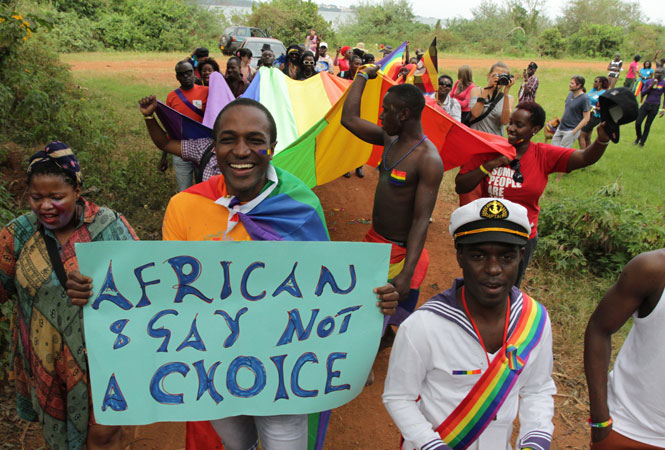
Africa is a vast continent with different peoples, culture, languages and religions. However, one sentiment that unifies virtually all 54 countries is homophobia and intolerance of anything outside the binary of male and female boxes and all the expectations and norms they come with.
I had a discussion with some colleagues about my feminist beliefs a while back. I mentioned that I had no intention of changing my surname upon marriage. Besides the fact that I love my name and I think there’s absolutely nothing wrong with it that would warrant me changing it, I believe it is a needless custom and is founded on the idea that upon marriage a woman ceases to be her father’s “property” and becomes her husband’s. One particularly vocal and passionate anti feminist challenged my stance and said I was copying oyinbo people, that it was unAfrican to not take your husband’s last name. Ironically, the custom of surnames began in 1066 in England – before you ask, there is no England in Africa; it is the same England of tea, fish and chips and the Beatles. I calmly told him that where my father is from is a matrilineal society whose actual customs were eradicated to fit into the norms Europeans brought into Africa to which he had no reply.
This discussion made me reflect on how much the average African knows about African culture. Our culture has been demonised, mystified or outrightly erased by colonialism and our contact with the outside world. I learnt during African Historiography (shoutout to Mama) different dismissively racist and reductive ideas of African history held by European scholars. Ideas that birthed the notion that Mungo Park, a Scottish explorer discovered the River Niger where Africans had lived around, fished from sourced water for millennia.
Ideas that made Trevor Roper declare that Africa has no history but darkness. Ideas that make Africans ignorant of their own traditions because they are “outdated” or “satanic”, yet insist that they are Africans with African values even though they know nothing of African values. Ideas that make African parents insist that wearing anklets, having locs and tattoos are un African even though such adornments are as African as Jollof rice. Ideas that make Africans passionately decry the right of “others” to exist and thrive in the society – others meaning boys who like boys, girls who like girls, boys who don’t look like or behave like boys, girls who don’t look like or behave like girls.
Colonial adventure, proselytization and violence eroded African values and replaced them with “superior” foreign values. However, I think it is more pathetic in scenarios where the people are not even aware that the values they preach are foreign to us. The average contemporary African woman would not wear her traditional attire which in many cases consists of barely there clothing or even topless garbs but would claim that “indecent” dresses are foreign to our culture. Africans look down on African Gods and their worshippers but would claim to be proudly African. The energy for upholding African culture spikes when it is time to justify oppression of women and queer folk.
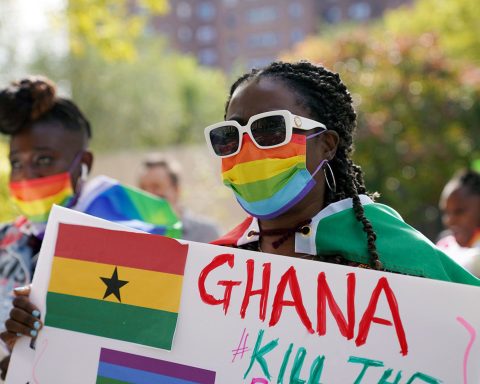
Cultures across Africa recognise third or other genders and homosexual relationships but today homosexuality is illegal in most parts of the continent and punishable by death in some cases. In Nigeria, the law even cracks down on allies; allies could receive 10 year jail sentences.
In the Kenyan tribe of Nandi, women who do not perform gender roles ascribed to women or “act like men” are recognised as men. They can pay dowries and marry women who are expected to give them male heirs. They participate in male assigned tasks and activities like politics and male initiation rites. In Africa today, a masculine presenting woman is however, ridiculed, mocked and in extreme cases assaulted.
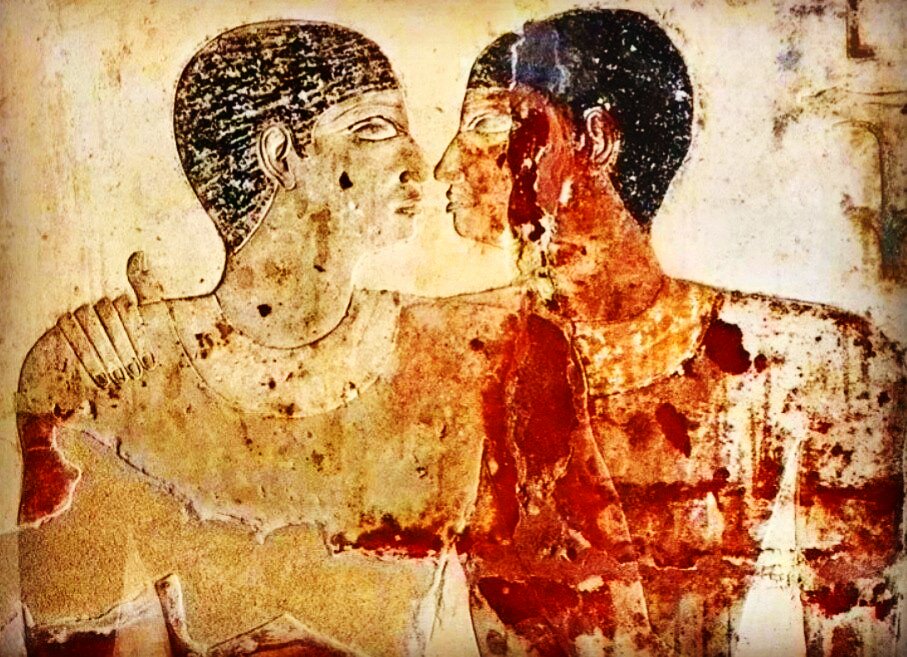
Ancient Egyptian paintings have depicted what is thought to be homosexual activity. One of such paintings was of two high ranking officials Nyankh-Khnum and Khnum-hotep who both had wives and children but were so close, they were buried together. Several paintings show them touching noses (which represents kissing) and embracing. Although their sexualities have been debated or are open to speculation, the two men had a relationship that would be frowned on in Africa today. I don’t need to say what would happen to two African men with such a relationship in 2019.
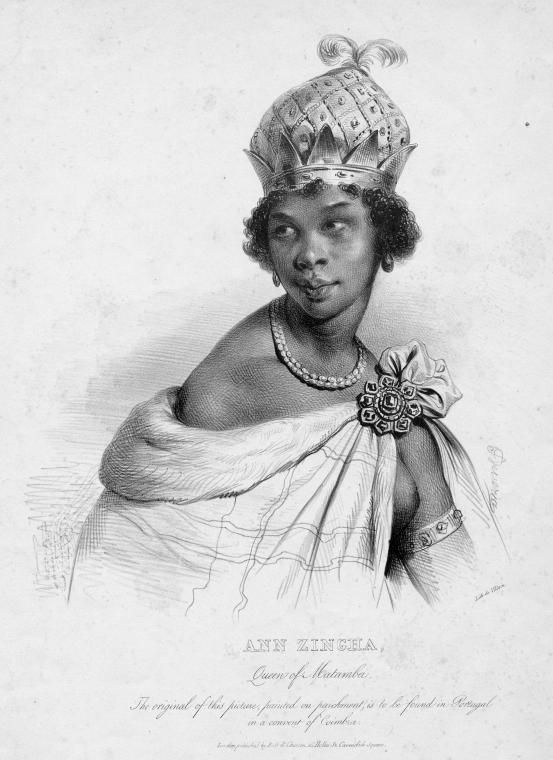
Some ancient African rulers belonged on the LGBT+ spectrum as well. Nzinga, of the Ndongo kingdom of the Mbundu ruled as a king even though she was born female. According to the writings of a Dutch soldier, she dressed like a man and had a harem of young men who dressed as women and were her wives. Many accounts do not mention this, they only laud her bravery and heroism.
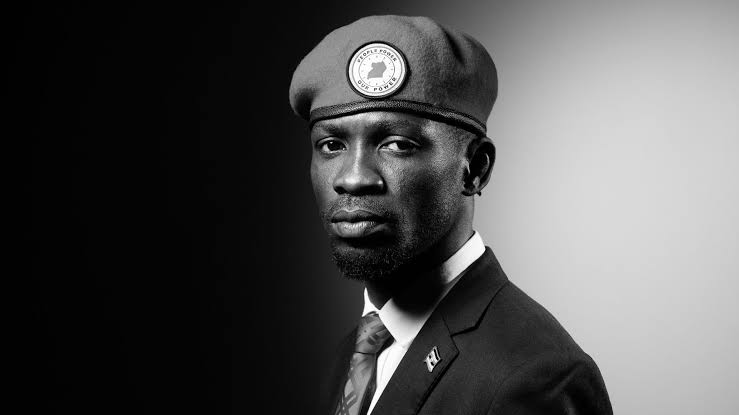
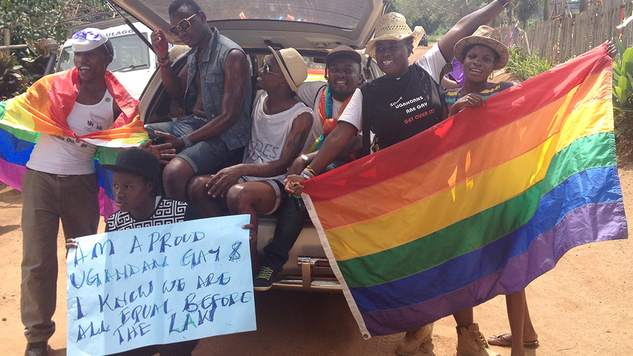
In Uganda, the kings typically had harems containing men and women. King Mwanga II was known for persecuting Christian converts who refused his advances. In Uganda today, homosexuality is punishable by life imprisonment. This law is a revision of Section 140 of the Criminal Code, a British colonial inheritance. Ugandan President, Yoweri Museveni referred to homosexuality as a “decadent culture … being passed by Western nations. This is clearly false and ahistorical.
The Dogon tribe of Mali believe that perfect human is androgynous and worship an intersex androgynous god, Nommo. The Zulus, the Lugandas and the Ambos have transgender priests, shamans and diviners. The Amharas of Ethiopia and the Otero of Sudan recognise a third gender.
In Nigeria and other West African countries, some religious cults like Bori, Sango and Voudon had homosexual priests. In Northern, transvestites known as yan daudu exist even till date. However, they are greatly persecuted. They are usually prostitutes, sometimes gay or bisexual and act as intermediate between men and women. There are many more examples and instances of the normalcy, validity and acceptance of queer folk in different African societies.
The rigid binaries we know today are European constructs. In the Denunciations of Bahia, which were court records kept by the Portuguese, it was stated that “In Angola and the Congo … it is customary among the pagan negroes to wear a loincloth with the ends in front which leaves an opening in the rear … this custom being adopted by the sodomistic negroes who serve as passive women in the abominable sin. The passives are called jimbandaa in the language of Angola and the Congo.” This account was given in the trial of a Congolese slave Francisco Manicongo by the Portuguese, condemning African culture.
Most of the countries with anti-gay legislations today are former British colonies. A British law, a version of Section 377 was introduced in India in 1860 and spread to other territories in the British Empire. Versions of this law were implemented in different colonies and only few countries like New Zealand and Australia have abolished these anti-sodomy laws. African countries continued to run with it even after homosexuality was decriminalised in 1967 in England.
When justifying your homophobia, don’t act like you are preserving African culture and values. Homophobia is yet another colonial legacy we have refused to shed, even though it does nothing but put other human beings living their lives at risk of all forms of abuse from people and institutions alike.