
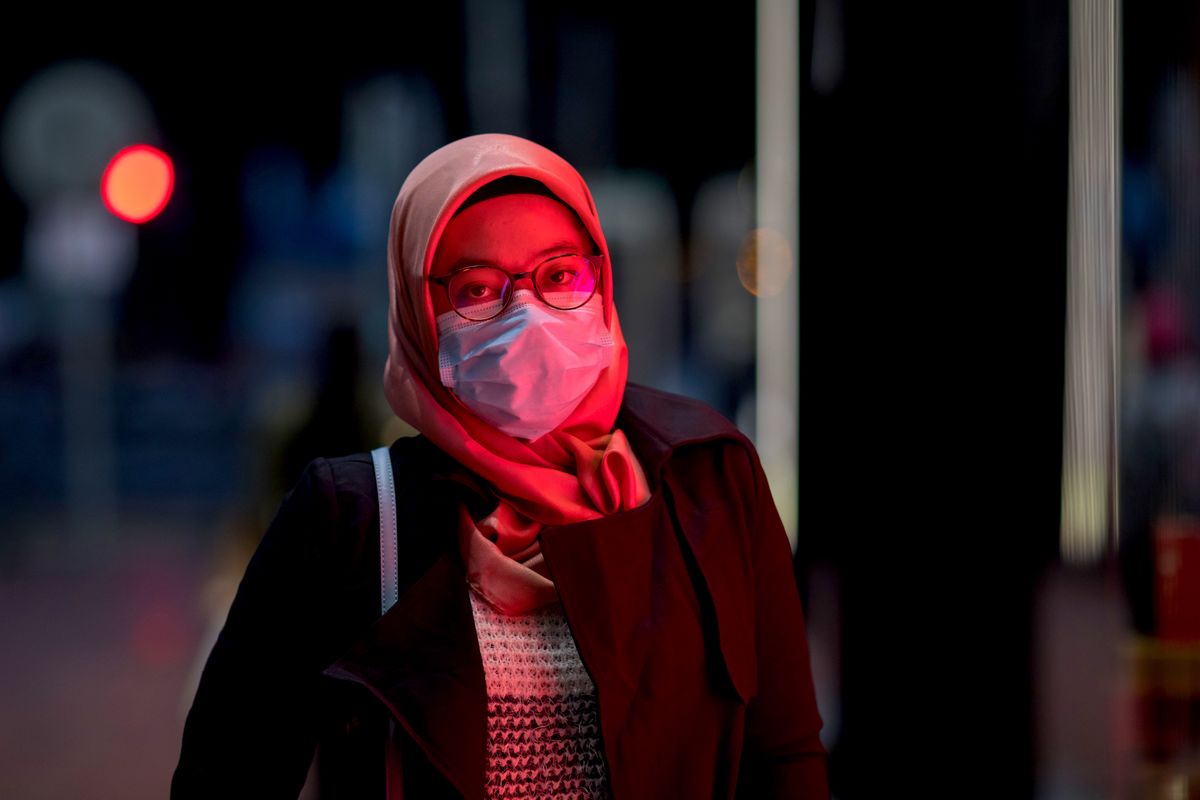
Covid-19 continues to spread to different parts of the world with reported cases in 37 countries. The virus has escalated in parts of Asia, Europe, Middle East and more cases have been recorded in America and Africa recently. Despite the widespread of COVID-19 in many countries, the World Health Organization has maintained its stance to not label the outbreak a pandemic. In all honesty, whether or not they choose to call it that, it won’t take long before it morphs into one at this rate. According to CNN, “This is unprecedented. Other than influenza, no other respiratory virus has been tracked from emergence to continuous global spread.” Over 80,000 cases of COVID-19 have been reported worldwide, most of it from mainland China.
The line between epidemic and pandemic
According to the Centers for Disease Control and Prevention, an epidemic is a sudden spike in disease cases beyond what you’d typically expect in a population of a certain area. On the other hand, a pandemic is an epidemic that’s spread over several countries or continents, affecting vast numbers of people. Pandemic is usually used to describe a disease that affects the entire planet. WHO chief Tedros Adhanom Ghebreyesu said: “For the moment we are not witnessing the uncontained global spread of this virus and we are not witnessing large scale severe disease or deaths. Does this virus have pandemic potential? Absolutely, it has. Are we there yet? From our assessment, not yet”. WHO’s response may be timely right in light of the psychosocial impacts of a pandemic, which according to the American Psychological Association (APA) can introduce problems in addition to disease spread. Fear towards a novel disease could lead people to forego daily activities and stigmatize people.
“Using the word pandemic now does not fit the facts, but it may certainly cause fear.”
Tedros Adhanom Ghebreyesu.
APA’s research shows that novel threats, like Ebola, accelerate anxiety levels higher than more familiar ones, possibly because a brain region known as the amygdala, which processes fear, may contribute to spotting novelty. Mic notes that a 60-year-old man died of apparent cardiac arrest outside a restaurant in Sydney’s Chinatown late last month after bystanders reportedly didn’t give him CPR, fearing coronavirus infection. CNN has also reported a spate of racist attacks against Asians related to the outbreak and other xenophobic rhetorics.
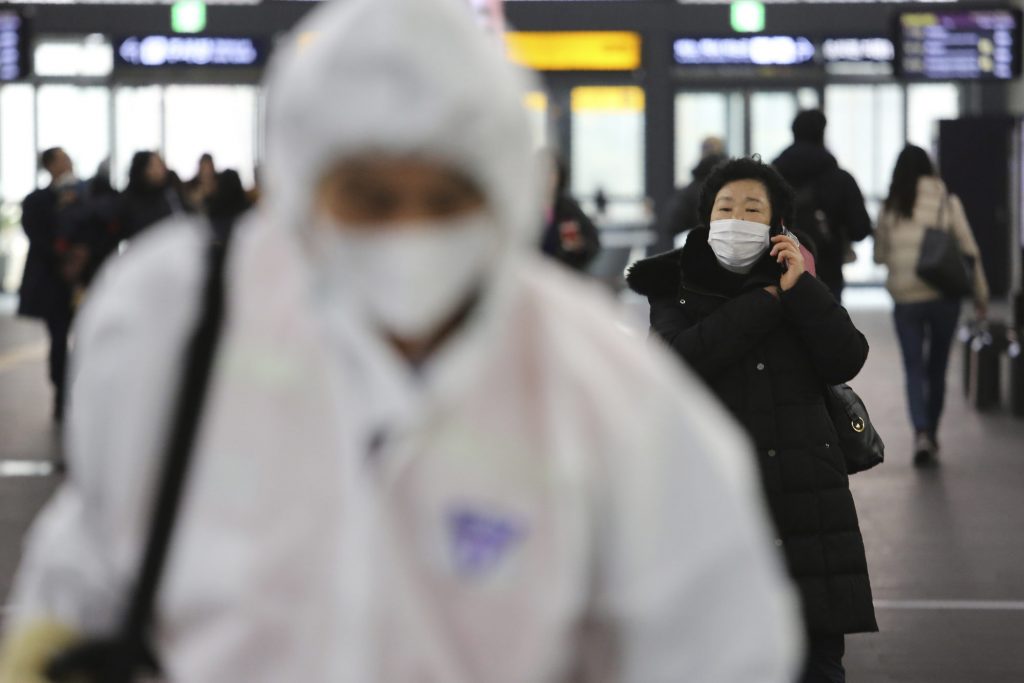
Declaring a pandemic grants the WHO no additional powers. But it does signal that COVID-19 is no longer containable within a specific region or regions, and that countries may want to shift their focus toward coping with the virus and away from containment measures. It’s not a stretch to expect the labeling of this outbreak as a pandemic to further fray at our social fabric, with harmful consequences for people of Asian descent in particular. Declaring it as such, if it does evolve into one, may control disease spread but could come at a psychosocial cost. Let’s also not forget the beating of Haitians, blamed for transmitting HIV in the 1980s, and the displacement of Canadian residents of Chinese descent during the 2003 SARS epidemic.
The last time that the WHO declared a pandemic was in 2009, for a then-novel H1N1 strain of influenza, which some researchers estimate infected 1 billion people in the first six months, and killed hundreds of thousands in its first year (SN: 3/26/10). By comparison, over 2,700 people have died from COVID-19 since it emerged in December.