
Victor Adewale’s work is rooted in observation, the kind that finds meaning in the mundane. His photographs turn fleeting, everyday scenes into visual essays on life, culture, and identity in modern Nigeria.
Transitioning from journalism to photography was, for him, a natural step: a move from telling stories with words to capturing them in moments. In this conversation, Adewale reflects on the power of photography to document, to challenge, and to preserve. He speaks about his latest project centered on Okada riders, what storytelling means to him, and how his images speak to both local and global audiences.
From being featured on National Geographic to his growing body of work that celebrates the beauty and complexity of African life, Adewale continues to use his lens as a bridge between people, perspectives, and worlds.
Tell us about yourself and what photography means to you as an art form.
My name is Victor Adewale. I am a documentary photographer, film producer, event curator, and many things.
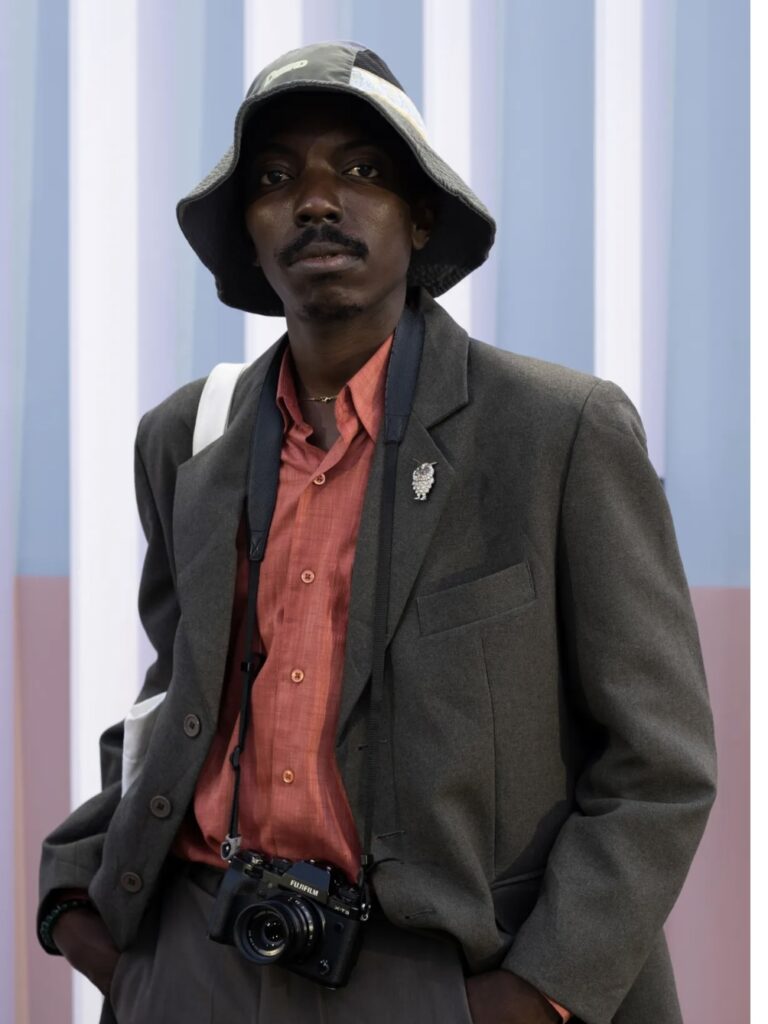
You didn’t start with photography, but as a journalist, why the change in medium?
Yes, indeed. I didn’t start my career as a photographer. My first form of expression, as far as I can remember, was poetry. And then I started writing stories, and then I started writing songs. From there, I moved to event curation as a way to bring together all these many parts as a student at Obafemi Awolowo University.
I studied philosophy, so my background was other forms of expression as well as academia. Photography came at a point in my life where I felt stuck, and it seemed to be the easiest way I could express myself without necessarily using words. So I started taking pictures with my phone.
I wouldn’t really say I pivoted because I still very much engage in all of these other practices that I mentioned earlier. However, I only engage in them depending on what my artistic practice requires. On some days, I can express myself musically, sonically, through sound. On some days, I need to express myself through writing, which I still do up till today.
Photography for me is also another form of expression and not the only thing I do. Everything I do informs and feeds the other.
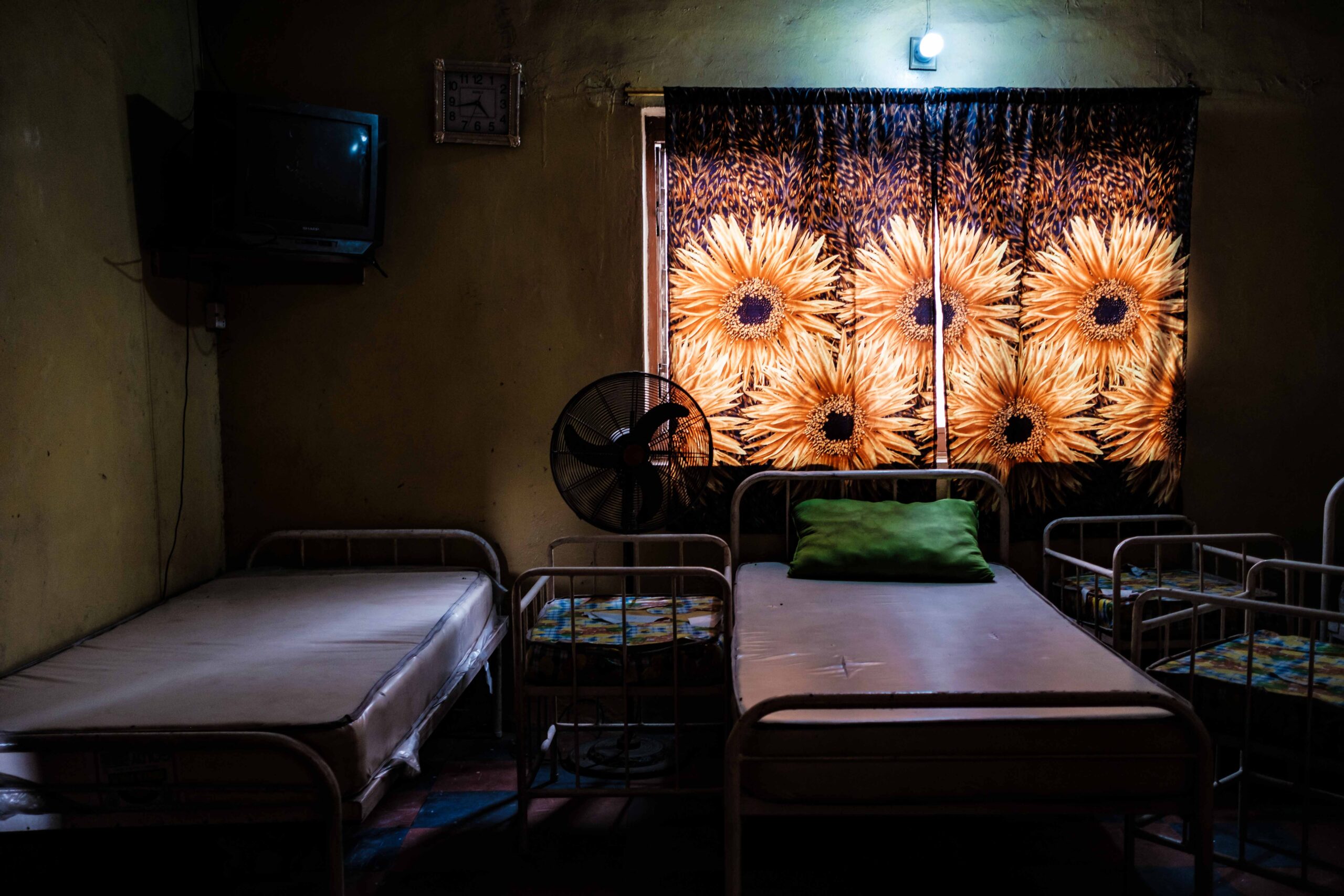
Photography is a powerful tool for documenting history and culture. In your opinion, how important is imagery in shaping the narrative of this new age of Africa?
Photography to me is a form of self-expression. It’s a way of archiving my own stories and the stories of my community.
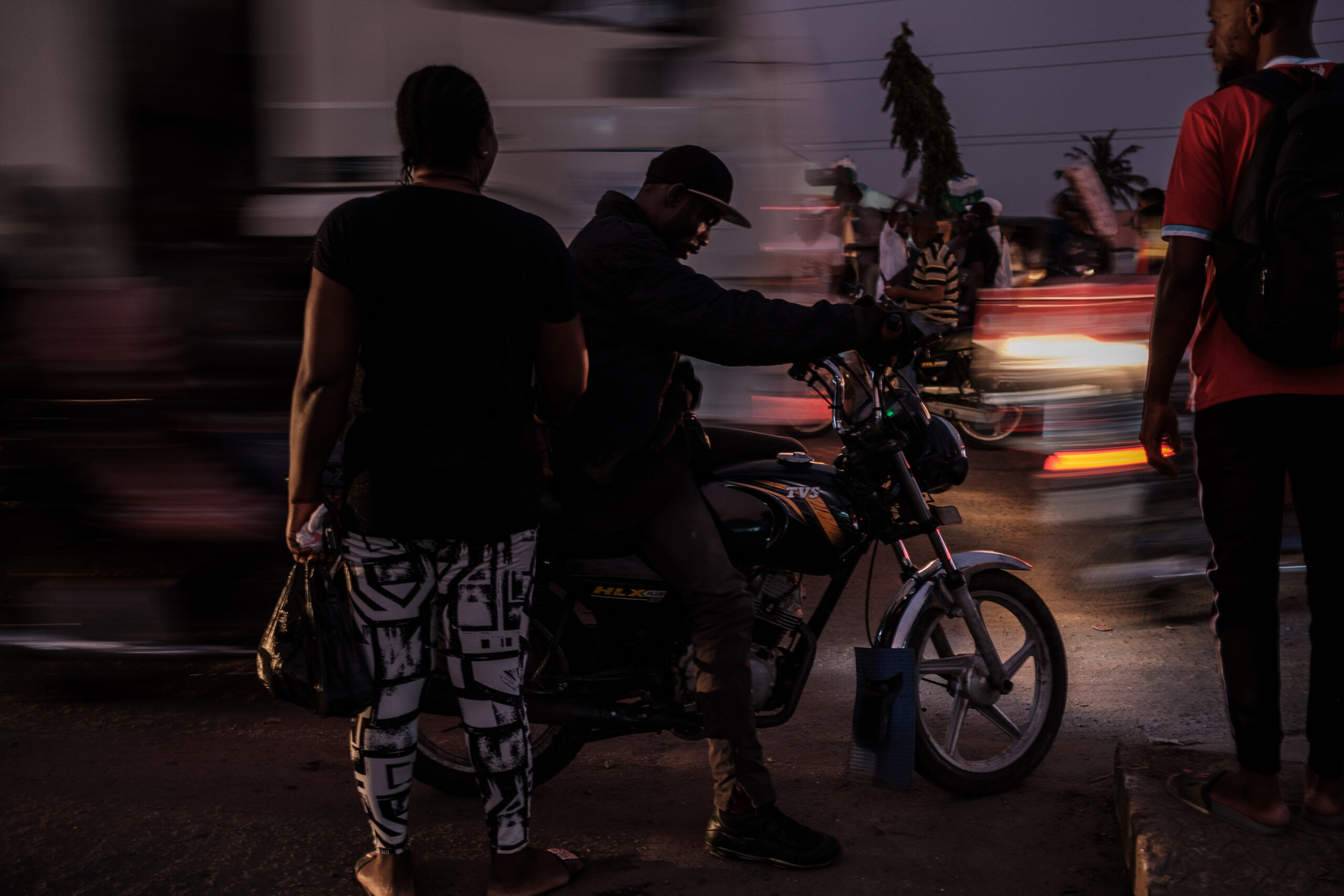
The story behind your new work highlights the lives of Okada riders in Nigeria. Can you share, from your perspective, what this body of work means to you and what inspired it?
My project Ebi Olokada was inspired by my dad, a former Okada rider in Lagos for 25+ years. I wanted to make a project that honours his legacy. He’s very much alive and kicking.
What does storytelling mean to you?
Storytelling to me is a tool. And as we know, tools can be used in any way, whether positively or negatively. I do not believe that any story is neutral. This is why we need to be aware of who the storytellers are for any given story. Stories reflect biases. Sometimes they reflect desires, aspirations and hopes. A story is just as important as the storyteller.
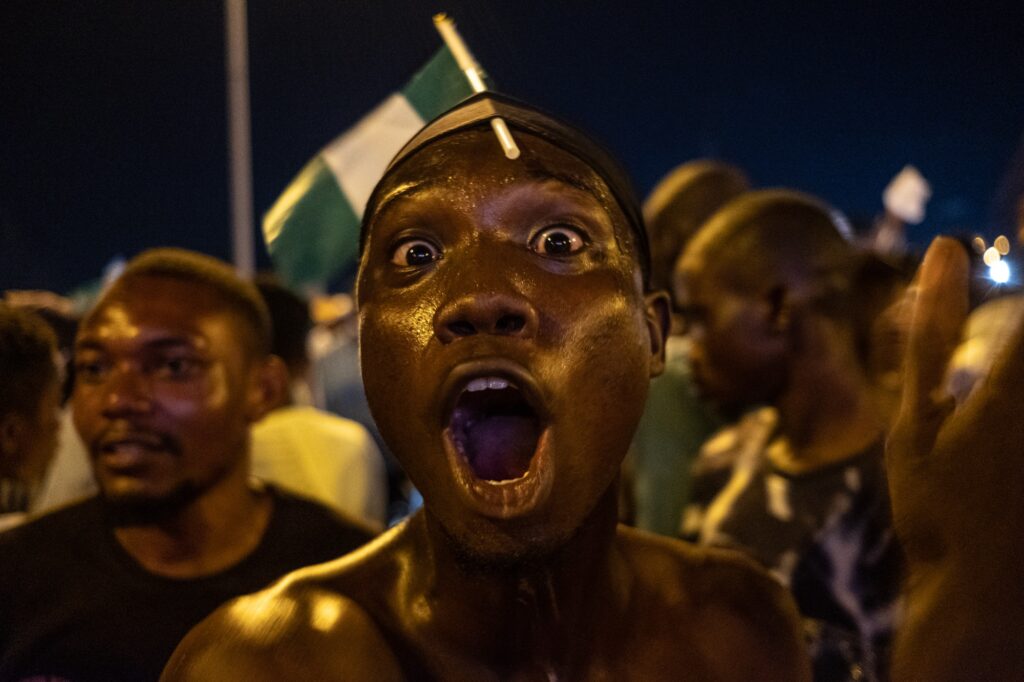
You were recently featured on National Geographic. How did that opportunity come about?
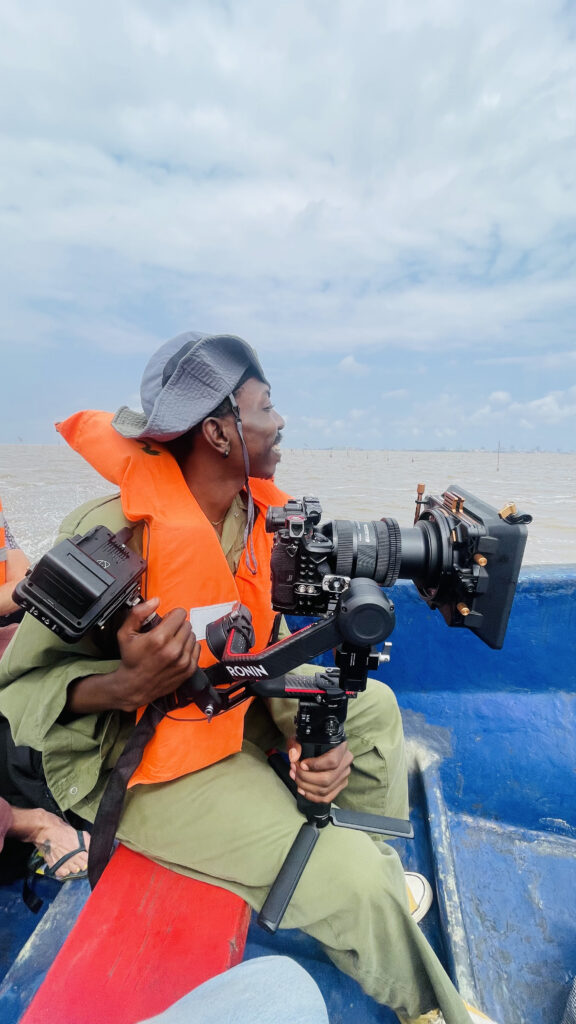
In 2024, the National Geographic Society funded my work, and since then, I have become an explorer.
Whose work inspires you (current and past), and how has it shaped your world views?
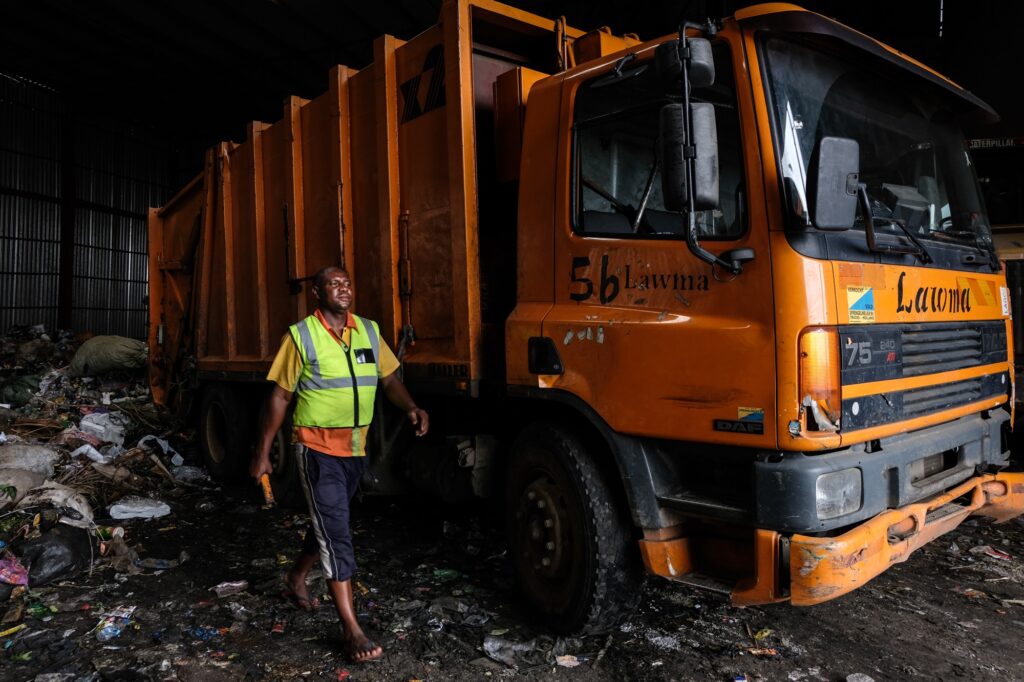
I’m inspired by people who are regarded as informal workers; people whose work is not considered important despite their contribution to society. For instance, the commercial transport workers in my city Lagos. The car riders, bus drivers, and street traders. They are the people who keep the economy fluid, yet are discriminated against, mistreated, abandoned, and ignored. These are the people who inspire me and inspire my artistry.
What are your plans for the future?
I’ve always believed that my practice is not complete without my community. I would like to be able to situate my work properly within the context of my community in Nigeria, Africa, and in the diaspora. I’m a product of my community, and I would love for my work to further conversations on how we can have more ethical and collaborative practices within communities. I would like to explore a more multidisciplinary approach in my practice.
Inspired by my project Ebi Olokada, I intend to curate and build a community of practitioners who are inspired by the stories of Okada riders, their sense of community, and how they thrive despite negativity.
I would like to develop a platform that allows different practitioners who are engaging the subject matter of mobility justice to engage each other, and for us to further conversations around mobility and mobility justice in Nigeria, Africa, and in the diaspora.