
To decolonize gender and sexuality, means reclaiming and revitalising indigenous understandings of these aspects, which were sidelined or erased by colonial rule. This involves challenging and dismantling the colonial legacy that forced Western norms on non-Western societies.
In Nigeria, like in many African countries, colonialism, particularly by the British, drastically changed social and cultural norms. Before colonisation, Nigerian societies had diverse and more fluid views on gender and sexuality. However the imposition of Victorian-era moral codes, along with Christian and Islamic beliefs, significantly altered these perceptions.

Before colonialism, Nigerian cultures displayed remarkable gender and sexual fluidity:
- Among the Igbo, the idea of “female husbands” showcased sexual fluidity. Women could marry other women, often for reasons like wealth or the need for an heir, without changing their gender identity.

- Yoruba mythology portrayed deities with fluid gender identities. For example, Obatala represented both male and female characteristics.

- The Yan Daudu in Hausa culture challenged traditional gender norms by assuming roles typically associated with women, and their relationships with other men were accepted within specific social contexts.

- In various Nigerian ethnic groups, spiritual leaders often took on roles transcending conventional gender norms. For instance, among the Efik and Ibibio, spiritual roles were open to individuals displaying both masculine and feminine traits.

British colonial rule introduced laws that eventually contributed to criminalising same-sex relationships. Post-independence, legal frameworks retained these colonial-era statutes, evident in laws like the Same-Sex Marriage (Prohibition) Act of 2014. The spread of Christianity and Islam brought stricter binary gender norms and heteronormativity. Colonialism aimed to suppress and erase practices not aligning with European norms, resulting in a loss of cultural heritage and knowledge.

Despite legal and social hurdles, queer activists and organisations in Nigeria are challenging colonial legacies and advocating for LGBTQ+ rights. They use grassroots mobilisation, advocacy campaigns, and legal challenges to dismantle discriminatory laws and promote acceptance and equality.
Read More: Queer right sef na Human Right, so What is the Confusion?

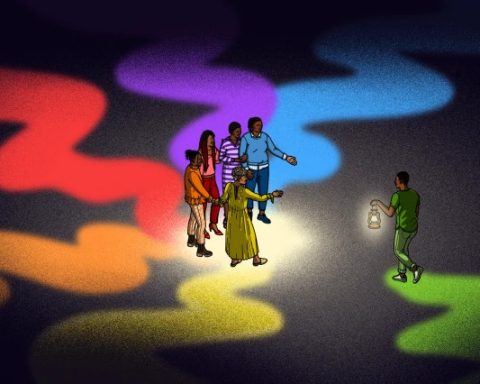
Queer Nigerians demonstrate resilience by finding joy and forming communities through various forms of creative expression like art, music, and literature. Despite facing societal hostility, they establish safe spaces where they can freely express themselves.
Read More: Proud and Loud: An Unabashed Generation Of Young Queer Nigerians
Their resilience and capacity to find joy amidst adversity are influenced by several factors:
- Creative Expression: Art, music, literature, and similar creative outlets serve as vital channels for self-expression and solidarity within the LGBTQ+ community. These mediums allow queer Nigerians to explore their identities, share experiences, and connect with others who empathise with their struggles. Events like Prism Party and Hibiscus Events provide platforms for queer individuals to express themselves openly and connect with like-minded peers.
- Creating Safe Spaces: Despite encountering discrimination and prejudice in broader society, queer Nigerians actively carve out safe havens where they can express themselves without fear of judgment or harm. Whether physical or virtual, these spaces foster a sense of belonging and support, enabling individuals to connect with others who share similar experiences. Pride in Lagos exemplifies how queer Nigerians unite to celebrate their identities in a welcoming and inclusive atmosphere despite societal hurdles.
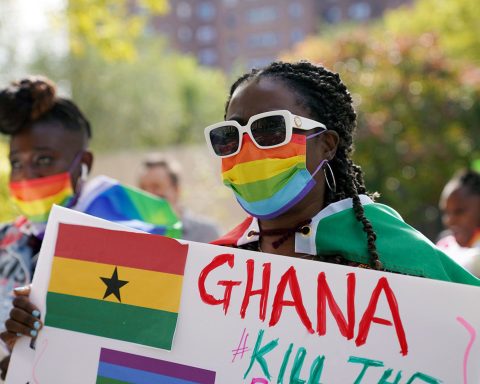
- Resilience: Queer Nigerians display remarkable resilience in the face of challenges. Despite enduring societal stigma and legal obstacles, they persist in affirming their identities and advocating for their rights. Their resilience stems from a deep sense of self-awareness, pride, and a commitment to living authentically. Instances of resilience include queer Nigerians protesting in May 2022 against discrimination and violence, as well as their active involvement in various forms of activism and advocacy.
- Community Support: Establishing supportive communities is essential for queer individuals navigating discrimination and marginalisation. Through mutual support networks, LGBTQ+ individuals in Nigeria offer one another emotional backing, validation, and solidarity. This community spirit bolsters resilience and empowers individuals to confront societal challenges collectively. Films like “Ife” and “Country Love” depict the significance of community support in the lives of queer Nigerians, highlighting the strength derived from solidarity.
Read More: In Conversation With Queer Rights Activist Matthew Blaise
Intersectionality is key to decolonising queer identity in Nigeria, acknowledging and addressing the unique challenges faced by individuals navigating multiple marginalised identities. Legal reforms, anti-discrimination policies, and inclusive education are essential to protect LGBTQ+ rights and promote acceptance and equality.
Edited by Amirah Deji-Abiola and Nasir Ahmed Achile