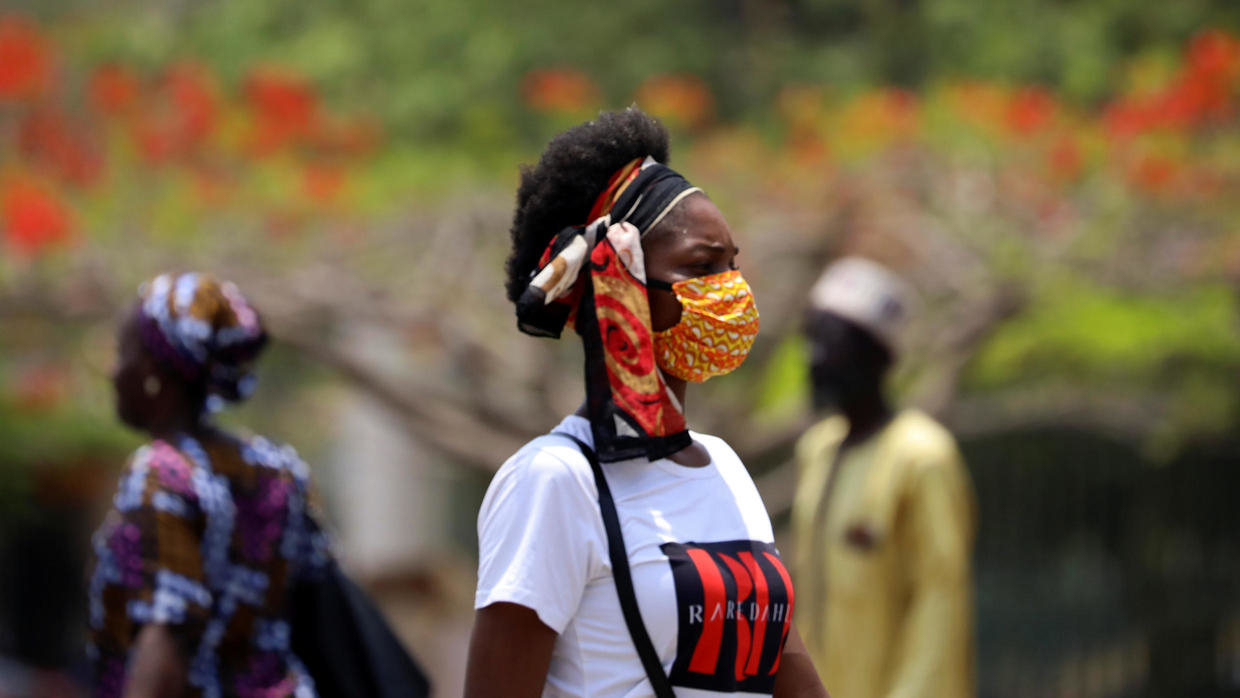

As at the time of publishing, there are over 700,000 confirmed cases of COVID-19 worldwide. Over 190K have recovered and almost 50K people have died from the deadly pandemic. The numbers could even be much more as several countries have been accused of underreporting and testing is still not adequate. There’s also an unquantifiable number of asymptomatic cases or home hospitalised patients that aren’t recorded in the global watch. The world may have to wait for months before a potential vaccine will be developed, the only way to help flatten the curve and stop the spread of coronavirus is Social Distancing.
I’m certain you’ve seen that phrase filtered across the web more than Netflix listicles lately. Social distancing as the term implies is a set of non-pharmaceutical interventions taken to prevent the spread of a contagious disease by maintaining a physical distance between people and reducing the number of times people come into close contact with each other. It is just one of the ways to avoid contacting the disease, but it is by far the most effective measure.
Since Coronavirus is most likely to spread from person to person when we come into close contact with one another, halting interactions with other humans, no matter the relationship that exists reduces the chances of getting infected, and it also enables more people stay indoors.
Physical distancing may not necessarily mean not leaving your homes from time to time, it is more about avoiding handshakes, physical greetings, and wherever possible, keeping at least 1.5 metres away from others. It is also very important to practise good hygiene, especially after running quick errands.
Nigeria Ha Now Recorded 174 Cases of COVID-19 in 13 States.
New data released by Kinsa Health, medical technology firm, suggests that fevers, a common symptom of COVID-19 are decreasing in areas where stay-at-home orders are in place. It simply means social distancing is working. The report also revealed that limiting the size of public gatherings or declaring a state of emergency did not seem to impact fever rates. What this means is that the government was right about banning religious and social gatherings that involved up to 10 people.
In Lagos, Nigeria. it’s still not certain how long the imposed shutdown will go on for, but it looks like the proposed two weeks may be extended since more cases are being discovered. But there’s no need to panic, stay vigilant and positive, knowing that your individual actions are saving lives.